Choosing the wrong roofing material can cause serious problems if you live in a cold, snowy area. Many growers ask What Kind Of Glass For Green House Roofs Snow Climate because snow load, freezing temperatures, and low winter sunlight all put extra stress on greenhouse structures. In this guide, you’ll learn which glass types work best in snow climates, how thick they should be, and how to avoid costly mistakes—explained in clear, beginner-friendly language.
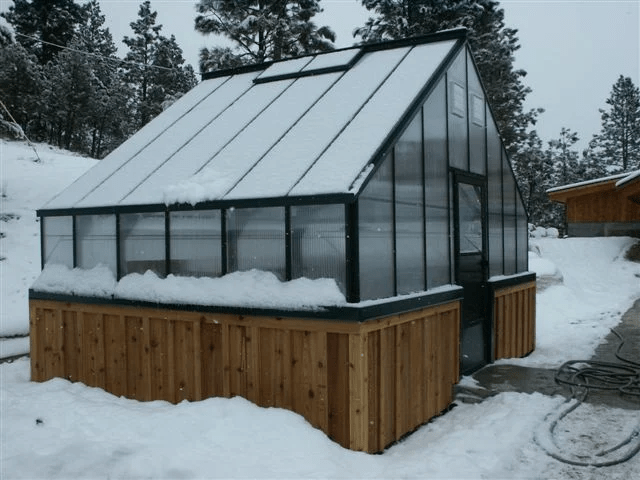
Why Snow Climate Changes Greenhouse Roof Requirements
Why Can’t You Use Any Glass in Snowy Areas?
In snow climates, greenhouse roofs must handle three major challenges at the same time:
- Snow load weight (can exceed 20–40 lbs per square foot)
- Thermal stress from freezing and thawing cycles
- Reduced winter sunlight, requiring high light transmission
Standard window glass often fails under these conditions, leading to cracks, collapse, or heat loss.
According to building engineering data, roof glazing in cold regions must prioritize strength, impact resistance, and insulation, not just transparency.
Read too: How Long Do Standing Seam Metal Roofs Last? A Comprehensive Guide to Durability and Longevity
What Kind of Glass for Greenhouse Roofs in Snow Climate Is Best?
The Short Answer
For most snow climates, the best options are:
- Tempered safety glass
- Laminated glass (for extreme snow zones)
- Double-glazed insulated glass units (IGU)
Each option serves a different level of snow exposure and budget.
Tempered Glass: The Most Popular Choice
Why Tempered Glass Works Well in Snow Climates
Tempered glass is heat-treated to be 4–5 times stronger than standard annealed glass. When it breaks, it shatters into small, blunt pieces rather than sharp shards—making it safer for greenhouses.
Key benefits:
- High resistance to snow load
- Excellent light transmission (85–90%)
- Handles temperature swings well
- Safer than regular glass
Recommended Thickness for Snow Areas
| Snow Load Level | Recommended Thickness |
|---|---|
| Light snow | 4 mm (5/32″) |
| Moderate snow | 5–6 mm (3/16″–1/4″) |
| Heavy snow | 6–8 mm (1/4″–5/16″) |
For most northern U.S. states, 6 mm tempered glass is the safest balance between strength and cost.
Laminated Glass: Maximum Safety for Heavy Snow
When Should You Use Laminated Glass?
Laminated glass consists of two glass layers bonded with a plastic interlayer. If cracked, it stays intact instead of falling inward.
This is ideal for:
- Areas with extreme snowfall
- Commercial greenhouses
- Public-access greenhouses
Advantages:
- Superior load resistance
- High impact safety
- Reduced risk of roof collapse
Drawback:
Higher cost and slightly reduced light transmission compared to single tempered glass.
Double-Glazed Glass: Best for Cold and Insulation
Is Insulated Glass Good for Snowy Greenhouses?
Yes—especially if you grow year-round.
Double-glazed units trap air or gas between panes, reducing heat loss by up to 40–50% compared to single-pane glass.
Benefits in snow climates:
- Improved insulation
- Less condensation
- Better temperature stability
- Lower heating costs
However, the frame and structure must be strong enough to support the extra weight.
What About Regular (Annealed) Glass?
Is Standard Glass Ever a Good Idea?
In short: No.
Standard annealed glass:
- Breaks easily under snow load
- Cracks during freeze–thaw cycles
- Creates safety hazards
Most building codes do not recommend regular glass for overhead greenhouse roofing in cold climates.
Glass vs Polycarbonate: A Common Question
Many people searching What Kind Of Glass For Green House Roofs Snow Climate also wonder if glass is even the best option.
Comparison Table: Glass vs Polycarbonate
| Feature | Tempered Glass | Polycarbonate |
|---|---|---|
| Snow load strength | High | Very high |
| Light transmission | Excellent | Very good |
| Insulation | Moderate | Excellent |
| Lifespan | 25+ years | 10–15 years |
| Cost | Higher | Lower |
| Appearance | Crystal clear | Slightly diffused |
Polycarbonate is often chosen for extreme snow regions, but glass remains preferred when maximum light and durability are priorities.
Roof Angle Matters as Much as Glass Type
How Roof Slope Reduces Snow Load
Even the strongest glass can fail if snow accumulates.
Recommended roof angles:
- Minimum: 30°
- Ideal for heavy snow: 35–45°
Steeper angles allow snow to slide off naturally, reducing structural stress.
Structural Support: Don’t Ignore the Frame
Glass choice alone isn’t enough.
Your greenhouse must include:
- Reinforced aluminum or steel framing
- Shorter glass panel spans
- Cross bracing for roof sections
Engineering studies show that panel size reduction can increase snow resistance more effectively than thicker glass alone.
Light Transmission in Winter: Why It Matters
In snowy climates, winter sunlight is already limited.
High-quality tempered glass allows:
- Better photosynthesis
- Healthier winter crops
- Reduced reliance on grow lights
For general background on how greenhouse glazing affects light and heat, see Wikipedia’s article on greenhouses, which explains how material choice impacts plant growth and thermal performance.
Pros and Cons of Glass Greenhouse Roofs in Snow Climate
Advantages
- Excellent clarity and light transmission
- Long lifespan
- Scratch-resistant
- Professional appearance
Disadvantages
- Heavier than plastic panels
- Higher upfront cost
- Requires strong structural support
When installed correctly, the benefits usually outweigh the drawbacks.
Step-by-Step: Choosing the Right Glass for Your Climate
- Check average annual snowfall in your area
- Confirm local building codes
- Choose tempered glass minimum 6 mm
- Increase thickness or use laminated glass for heavy snow
- Design roof slope ≥35°
- Reinforce frame and reduce panel size
This method minimizes failure risk and long-term costs.
Common Mistakes to Avoid
- Using regular window glass
- Choosing glass too thin
- Ignoring roof angle
- Overlooking structural reinforcement
- Prioritizing cost over safety
Most greenhouse roof failures happen due to design shortcuts, not material defects.
FAQ – What Kind Of Glass For Green House Roofs Snow Climate
❓ Is tempered glass strong enough for snow?
Yes. Properly sized and supported tempered glass handles most snow loads safely.
❓ What thickness glass is best for heavy snow?
Typically 6–8 mm tempered or laminated glass.
❓ Does snow reduce light transmission?
Yes, but clear tempered glass maximizes available winter light.
❓ Can glass crack from cold temperatures?
Tempered glass resists thermal stress far better than regular glass.
❓ Is polycarbonate better than glass for snow?
Polycarbonate is stronger and lighter, but glass offers better clarity and lifespan.
Conclusion
If you’re asking What Kind Of Glass For Green House Roofs Snow Climate, the safest and most practical answer is tempered safety glass, ideally 6 mm or thicker, with proper roof slope and structural support. For extreme snow regions or year-round growing, laminated or double-glazed glass offers additional protection and insulation.
Choosing the right greenhouse roof glass protects your structure, your plants, and your investment for decades. If this guide helped you make a smarter decision, share it on social media so other growers in snowy climates can build safer, more efficient greenhouses.
Leave a Reply