Filing an insurance claim for roof damage can feel intimidating—especially when you’re worried about saying the wrong thing. Knowing what to say when filing a claim for house roof can make a real difference in how smoothly your claim is handled and whether it gets approved. This guide walks you through exact phrases to use, what to avoid, and how to communicate clearly with your insurance company.
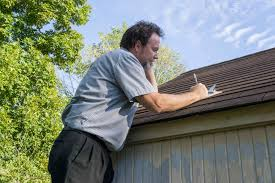
Why What You Say Matters When Filing a Roof Claim
Insurance adjusters don’t just look at photos—they listen carefully to how damage is described.
Read too: How Long Do Standing Seam Metal Roofs Last? A Comprehensive Guide to Durability and Longevity
Why wording is critical
- Claims are documented verbatim
- Certain phrases can unintentionally imply neglect
- Others can strengthen proof of sudden, covered damage
📌 Key idea:
You’re not trying to exaggerate—just describe facts clearly and accurately.
What To Say When Filing A Claim For House Roof (First Call Script)
When you first contact your insurer, keep it simple and factual.
Recommended First Statement
“I’d like to file a claim for roof damage caused by a recent storm on [date]. I noticed visible damage and signs of water intrusion afterward.”
This sentence:
- Establishes a covered peril (storm)
- Gives a specific date
- Avoids assumptions or blame
Step-by-Step: How to Describe Roof Damage Correctly
Step 1: State the Cause (Not the Diagnosis)
Say what happened, not why you think it happened.
✅ Say:
- “After the windstorm on March 12, I noticed missing shingles.”
- “Following the hailstorm, there were dents and granule loss.”
❌ Avoid:
- “My roof is old.”
- “It probably wore out.”
Step 2: Describe What You See Inside the House
Interior damage supports roof claims.
Use Clear, Observable Language
- “There are water stains on the ceiling.”
- “Paint is bubbling near the attic access.”
- “Active dripping started after the storm.”
Avoid guessing about long-term issues unless confirmed.
Step 3: Emphasize Sudden Damage
Most policies cover sudden and accidental events.
Use phrases like:
- “The damage appeared immediately after the storm.”
- “There were no leaks before this event.”
- “The issue started suddenly, not gradually.”
What NOT To Say When Filing a Roof Claim
Certain phrases can hurt your claim—even if said casually.
Avoid These Statements
- “The roof is pretty old.”
- “It’s been leaking for a while.”
- “We noticed it months ago.”
- “We never really maintained it.”
These can imply wear and tear, which is often excluded.
How to Answer Common Adjuster Questions
Adjusters follow standard questions. Be prepared.
“When did you first notice the damage?”
Best answer:
“I noticed the damage shortly after the storm on [date].”
“Has this happened before?”
Best answer (if true):
“No, this is the first time we’ve experienced this issue.”
“Was the roof already damaged?”
Best answer:
“The roof was functioning normally before the storm.”
📌 Honesty matters—just stay factual.
Using Documentation to Support What You Say
Words are powerful—but evidence is stronger.
What to Document
- Photos of roof damage (wide + close-up)
- Interior ceiling stains
- Weather reports from storm date
- Repair estimates from licensed roofers
Many approved claims include both verbal descriptions and visual proof.
Should You Mention a Roofer’s Opinion?
Yes—but carefully.
Safe Way to Say It
“A licensed roofer inspected the roof and noted storm-related damage.”
Avoid claiming:
- “The roofer said insurance must pay.”
Let adjusters make coverage decisions.
Temporary Repairs: What to Say
Emergency repairs are allowed—and expected.
Correct Statement
“We made temporary repairs to prevent further damage.”
Also mention:
- You kept receipts
- Repairs were temporary, not permanent
This shows responsibility, not negligence.
Insurance Language That Helps Your Claim
Here are claim-friendly phrases commonly used in approved cases:
Helpful Phrases
- “Sudden damage”
- “Storm-related”
- “Visible impact marks”
- “No prior leaks”
- “Functional before the event”
These align with policy definitions.
Roof Claim Approval: Real-World Example
Case Study (Simplified)
- Homeowner reported: “Ceiling stains appeared after hailstorm”
- Provided photos + roofer report
- Avoided mentioning roof age
- Claim approved within 14 days
Clear communication often shortens claim timelines.
Roof Damage vs Wear and Tear: Why Wording Matters
Insurance generally covers:
- Wind damage
- Hail damage
- Storm-related leaks
Insurance usually excludes:
- Aging materials
- Poor maintenance
- Gradual deterioration
Your wording should reflect event-based damage, not aging.
What To Say If the Adjuster Pushes Back
If an adjuster suggests wear and tear:
Calm, Professional Response
“There were no leaks or issues before the storm, and the damage appeared immediately afterward.”
Stick to facts. Avoid arguing emotionally.
Should You File Online or by Phone?
Both are fine—but phone calls allow clarification.
Tip
If filing online:
- Use short, factual sentences
- Avoid speculation
- Upload photos immediately
Online descriptions become permanent claim records.
Understanding How Roof Insurance Claims Work
A roof claim is evaluated based on:
- Policy coverage
- Cause of damage
- Documentation
- Adjuster inspection
For a general explanation of insurance principles, you can reference this authoritative source on Wikipedia:
👉 https://en.wikipedia.org/wiki/Insurance
FAQ: What To Say When Filing A Claim For House Roof
What is the most important thing to say in a roof insurance claim?
Clearly state that the damage occurred after a specific storm or event.
Should I mention the age of my roof?
Only if asked directly. Otherwise, focus on the damage event.
Can saying the wrong thing deny my claim?
Yes. Mentioning long-term leaks or neglect can harm approval chances.
Is it okay to say I’m not sure about the cause?
Yes. Say what you observed and let professionals determine the cause.
Should I get a roofer inspection before calling insurance?
It helps, but it’s not required. Documentation always strengthens claims.
Conclusion
Knowing what to say when filing a claim for house roof can protect you from unnecessary denials and delays. Stick to facts, focus on sudden storm-related damage, and avoid language that implies neglect or aging. Clear, calm communication—paired with good documentation—gives you the best chance of a smooth claim process.
If this guide helped you, share it on social media so other homeowners can file roof claims with confidence and clarity.

Leave a Reply