Knowing when is it time to replace a roof on house can save homeowners thousands in repairs and prevent serious structural damage. Roofs protect your home from weather, pests, and leaks, but they don’t last forever. In this guide, we’ll explore the signs, timing, and expert recommendations to determine if it’s time for a new roof.
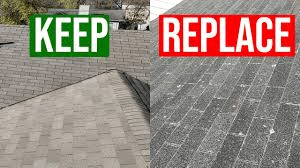
Average Lifespan of Common Roof Types
Different roofing materials last varying lengths of time. Here’s a quick reference:
| Roof Material | Typical Lifespan | Notes |
|---|---|---|
| Asphalt Shingles | 20–25 years | Most common in US homes, moderate cost |
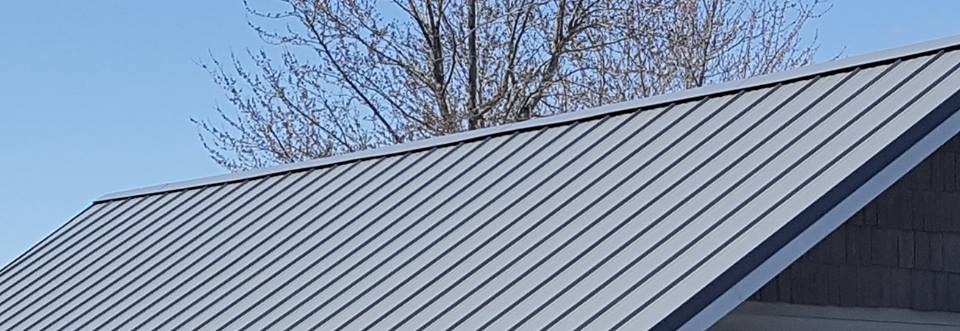
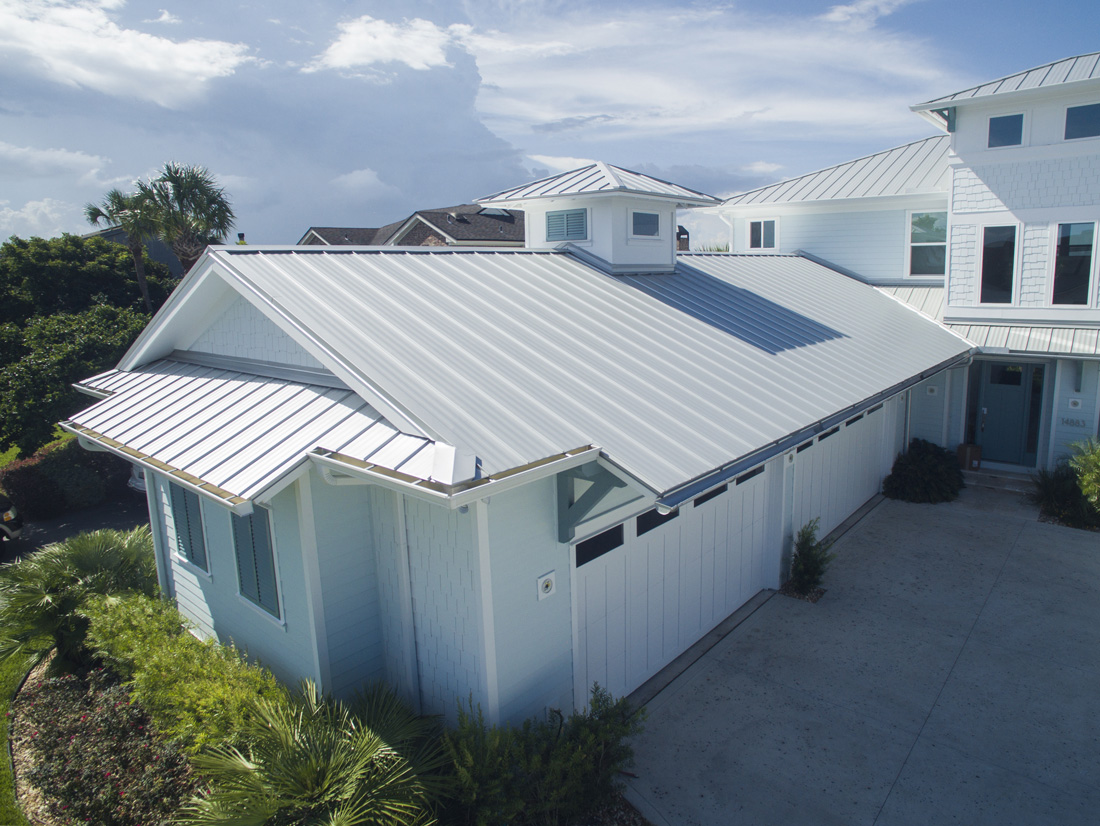
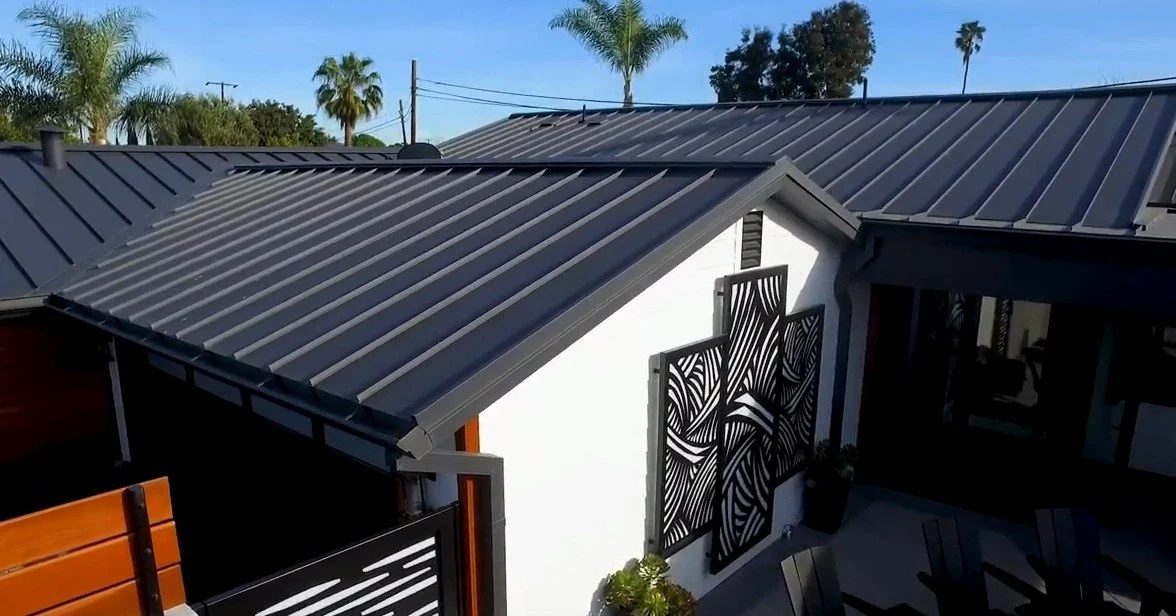
| Metal Roofing | 40–70 years | Durable, energy-efficient, higher upfront cost |
| Clay or Concrete Tile | 50–100 years | Heavy, excellent for hot climates, requires strong support |
| Wood Shingles/Shakes | 20–40 years | Natural look, requires maintenance, fire risk in some areas |
Tip: Lifespan varies based on climate, roof pitch, maintenance, and installation quality.
Read too: Hail Damage Roof Repair: Essential Guide to Restoring Your Home’s Protection
Key Signs It’s Time To Replace Your Roof
1. Age of the Roof
- Asphalt shingles typically last 20–25 years.
- If your roof is approaching or past its lifespan, replacement is wise even without visible damage.
2. Visible Damage
- Curling, cracking, or missing shingles
- Rusted or damaged flashing around chimneys or vents
- Granule loss on asphalt shingles (check your gutters)
3. Leaks or Water Damage
- Water stains on ceilings or walls indicate roof leaks.
- Mold or mildew in the attic can signal roof or ventilation issues.
4. Sagging Roof Deck
- Uneven or sagging areas suggest structural issues requiring immediate attention.
5. Excessive Algae or Moss Growth
- Common in humid areas, moss can trap moisture and damage shingles.
How Weather Impacts Roof Lifespan
Phoenix and other hot climates can reduce roof longevity due to:
- UV exposure: Breaks down asphalt shingles faster
- Heat cycles: Expansion and contraction can cause cracking
- Monsoon storms: Heavy rain and wind can dislodge shingles
Cold climates face ice dams and snow loads, which also affect roof replacement timing.
Step-By-Step Roof Inspection
- Start With Visual Check
- Inspect for missing shingles, curling, or rusted flashing.
- Look for dark spots or granule buildup in gutters.
- Check Attic Interior
- Look for water stains, mold, or sagging roof decking.
- Examine Roof Valleys and Edges
- Areas where water flows are often first to show wear.
- Consult Professional Roofer
- A certified roofer can assess structural integrity, material condition, and code compliance.
Regular inspections, ideally twice a year, can prevent unexpected failures.
Cost Considerations for Roof Replacement
| Roof Material | Average Cost (US) | Notes |
|---|---|---|
| Asphalt Shingles | $5,000 – $12,000 | Most economical for standard homes |
| Metal Roofing | $8,000 – $20,000 | Long-term investment, durable |
| Clay/Concrete Tile | $15,000 – $30,000 | Heavy, may require structural reinforcement |
| Wood Shingles/Shakes | $10,000 – $20,000 | Natural look, high maintenance |
Factors affecting cost: roof size, pitch, removal of old roof, materials, labor, and local permits.
Benefits of Timely Roof Replacement
- Prevent Water Damage: Avoid leaks and structural decay.
- Energy Efficiency: New roofs can improve insulation and reduce cooling costs.
- Increase Home Value: A new roof boosts curb appeal and resale potential.
- Peace of Mind: Reduces risk of unexpected roof failure.
Common Mistakes Homeowners Make
- Waiting too long: Repairs become more expensive as damage spreads.
- Ignoring small leaks: Can lead to mold, rot, and structural issues.
- DIY replacements without experience: Risky and may void warranties.
- Choosing the cheapest material: Short-term savings may result in early replacement.
FAQ
Q1: How can I tell if my roof needs replacement or just repair?
A: Look for age, curling shingles, leaks, sagging areas, and granule loss. Minor issues may only require repair, but widespread damage or old roofs need replacement.
Q2: How long does it take to replace a typical roof?
A: For a standard 1,500–2,000 sq ft home, professional roof replacement usually takes 2–5 days, depending on complexity and weather.
Q3: Can I replace just part of my roof?
A: Spot repairs are possible but may not extend overall roof lifespan. For roofs nearing the end of their life, full replacement is more cost-effective.
Q4: Does roof replacement increase home value?
A: Yes, a new roof improves curb appeal, safety, and energy efficiency, which can boost resale value.
Q5: Should I hire a professional roofer or DIY?
A: Professional installation ensures code compliance, safety, and warranty coverage, especially for steep or large roofs.
Q6: How often should I inspect my roof?
A: At least twice a year, ideally in spring and fall, plus after major storms.
Conclusion
Knowing when is it time to replace a roof on house protects your home, saves money, and ensures long-term comfort and safety. Signs like age, leaks, damage, and sagging indicate it’s time for replacement. Regular inspections and timely action prevent costly repairs and boost home value. Share this guide with friends or family planning roof maintenance—it could save them thousands in the long run!
Leave a Reply