If you’ve recently noticed more homes with bold blue rooftops, you’re probably wondering: Why Are People Putting Blue Roofs On Their Houses? Is it just a design trend, or is there a practical reason behind it?
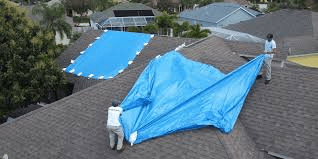
Homeowners across the U.S. are choosing blue roofing for a mix of style, energy efficiency, climate resilience, and even insurance benefits. Let’s break down what’s really driving this growing trend—and whether it makes sense for your home.
Why Are People Putting Blue Roofs On Their Houses?
The short answer: A combination of aesthetics, energy efficiency, durability, and modern roofing materials.
Read too: Hail Damage Roof Repair: Essential Guide to Restoring Your Home’s Protection
Blue roofs are becoming popular because they:
- Enhance curb appeal
- Reflect sunlight (in lighter shades)
- Pair well with coastal and modern designs
- Work well with metal roofing systems
- Stand out in competitive real estate markets
In many cases, the color blue is associated with coolness, calmness, and coastal lifestyle, which appeals strongly to U.S. homeowners.
Is a Blue Roof Just a Design Trend?
Design plays a major role—but it’s not the only factor.
The Rise of Bold Exterior Colors
Over the past decade, exterior home design has shifted away from strictly neutral palettes. According to housing market observations from remodeling contractors, homeowners increasingly choose distinctive roofing colors to:
- Differentiate their property
- Boost visual identity
- Increase perceived home value
Blue roofing pairs especially well with:
- White siding
- Gray stone
- Beige stucco
- Coastal-style architecture
In beach towns like those along Florida’s Gulf Coast or North Carolina’s Outer Banks, blue roofs complement the surrounding ocean aesthetic.
Are Blue Roofs More Energy Efficient?
This is where things get interesting.
Not all blue roofs are equal. Energy efficiency depends on:
- Material
- Shade intensity
- Reflectivity rating (Solar Reflectance Index – SRI)
Lighter blue roofs can function similarly to “cool roofs.”
According to research by the U.S. Department of Energy:
- Cool roofs can reduce roof surface temperatures by up to 50°F compared to traditional dark roofing.
- This can reduce cooling energy use by 10–15% in warm climates.
Metal roofing in lighter blue shades often has reflective coatings that improve performance.
For more technical background on cool roofing, you can reference:
https://en.wikipedia.org/wiki/Cool_roof
Do Blue Roofs Last Longer?
In most cases, blue roofs are installed using metal roofing systems, which are known for durability.
Metal Roofing Lifespan:
- 40–70 years on average
- Wind resistance up to 140 mph (depending on system)
- Fire-resistant
Compared to asphalt shingles (15–30 years), metal roofs offer significantly longer lifespan.
The color itself does not affect durability—but the coating does. High-quality blue metal roofs use:
- Kynar 500 or PVDF paint systems
- UV-resistant finishes
- Anti-corrosion layers
These coatings prevent fading and chalking over time.
Are Blue Roofs Good for Coastal Areas?
Yes—and this is one major reason for their popularity.
Coastal homeowners often choose blue metal roofs because:
- Metal resists salt corrosion better than traditional shingles.
- Lighter colors reflect intense sun exposure.
- Standing seam metal systems handle high winds well.
Insurance companies in hurricane-prone states sometimes offer better ratings for impact-resistant metal roofing systems.
What Types of Blue Roofs Are Most Popular?
There are several common variations.
1. Blue Metal Roofing
The most popular choice. Sleek, modern, durable.
2. Blue Asphalt Shingles
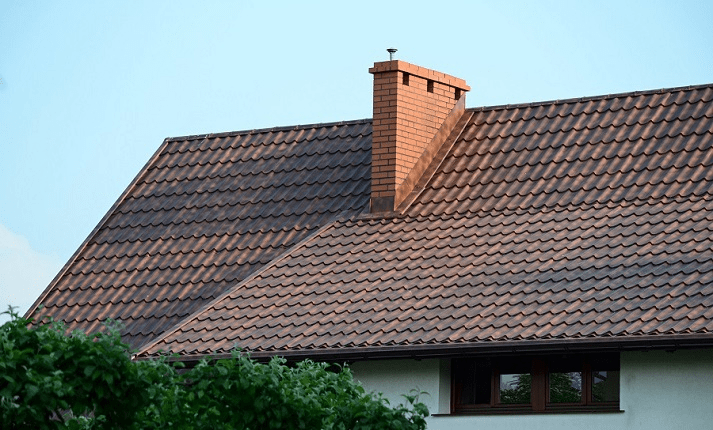
Less common but available in blended tones like “slate blue” or “ocean blue.”
3. Blue Tile Roofing
Used in Mediterranean-style homes.
4. Standing Seam Blue Roof
High-end residential and contemporary architecture.
Pros and Cons of Blue Roofs
Advantages
✔ Unique curb appeal
✔ Energy efficiency (lighter shades)
✔ Durable when metal
✔ Coastal-friendly
✔ Modern aesthetic
Disadvantages
✖ May not fit HOA regulations
✖ Higher upfront cost (metal)
✖ Bold color may reduce resale appeal in conservative markets
How Much Does a Blue Roof Cost?
Cost depends more on material than color.
Average U.S. Roofing Costs (2,000 sq ft home):
| Roofing Type | Estimated Cost |
|---|---|
| Asphalt Shingles | $8,000–$15,000 |
| Blue Metal Roof | $15,000–$30,000 |
| Standing Seam Metal | $20,000–$40,000 |
Blue metal roofing typically costs 2–3x more than asphalt, but lasts twice as long or more.
Does Roof Color Affect Home Resale Value?
Yes—but strategically.
Real estate professionals suggest:
- Neutral roofs appeal to broader buyers.
- Unique colors can increase perceived luxury in design-forward markets.
- In coastal communities, blue roofs often enhance value.
However, in traditional suburban neighborhoods, buyers may prefer gray, black, or brown roofing.
Are Blue Roofs Popular Because of Climate Change?
Indirectly, yes.
As temperatures rise in many U.S. states:
- Homeowners look for heat-reflective materials.
- Energy-efficient building design gains attention.
- Cool roofing systems become more common.
Blue roofing, particularly lighter shades, aligns with these goals when paired with reflective coatings.
How to Decide If a Blue Roof Is Right for You
Here’s a step-by-step evaluation guide:
Step 1: Check HOA Rules
Review your homeowner association guidelines.
Step 2: Evaluate Climate
Hot region? Consider lighter blue metal roofing.
Step 3: Compare Materials
Metal vs asphalt vs tile.
Step 4: Calculate Budget
Expect 2–3x cost difference for metal.
Step 5: Consider Home Style
Modern, coastal, farmhouse styles pair best.
Step 6: Ask About Coating Warranty
Look for 30–40 year finish warranties.
Do Blue Roofs Fade Over Time?
Quality matters.
High-grade PVDF coatings resist UV degradation. Lower-cost paint systems may fade after 10–15 years.
To extend lifespan:
- Clean annually
- Avoid abrasive pressure washing
- Inspect fasteners every 2–3 years
Are Blue Roofs More Expensive to Maintain?
No—if metal.
Metal roofs require:
- Minimal maintenance
- Occasional inspection
- Clearing debris
They are often easier to maintain than asphalt shingles, which may require more frequent repairs.
FAQ Section
1. Why are people putting blue roofs on their houses?
Homeowners choose blue roofs for aesthetics, energy efficiency, coastal appeal, and durability—especially when using metal roofing systems.
2. Are blue roofs energy efficient?
Yes, particularly lighter blue metal roofs with reflective coatings. They can reduce cooling costs in warm climates.
3. Do blue roofs increase home value?
In certain markets like coastal or modern design communities, yes. In traditional neighborhoods, resale impact varies.
4. Are blue metal roofs more expensive?
Yes. Metal roofs typically cost 2–3 times more than asphalt shingles but last significantly longer.
5. Do blue roofs fade quickly?
High-quality coatings resist fading for decades. Cheaper finishes may discolor sooner.
6. Are blue roofs good in hurricane zones?
Metal blue roofs with proper fastening systems perform well in high-wind areas and may improve insurance ratings.
Conclusion
So, Why Are People Putting Blue Roofs On Their Houses?
It’s not just about color. Blue roofs represent a blend of:
- Modern design
- Energy efficiency
- Long-term durability
- Coastal-inspired aesthetics
For many homeowners, especially in warmer or coastal regions, blue metal roofing provides both functional and visual benefits.
Before deciding, evaluate your climate, budget, HOA restrictions, and long-term plans. A bold roof choice can elevate your home—but it should align with practical needs.
If you found this guide helpful, share it on social media to help others understand the rising trend of blue roofing in America.
Leave a Reply