If you’ve ever driven through Santa Fe or Albuquerque, you may have noticed something unique: many homes have flat roofs instead of the steep slopes common in other states. So naturally, you might ask, Why Do Houses In New Mexico Have Flat Roofs?
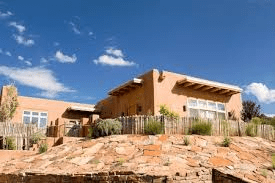
The answer isn’t random. It’s rooted in climate, history, cultural influence, and practical construction methods. Let’s explore why this distinctive architectural style continues to dominate across the Land of Enchantment.
Read too: Hail Damage Roof Repair: Essential Guide to Restoring Your Home’s Protection
Why Do Houses In New Mexico Have Flat Roofs?
The primary reasons include:
- Dry desert climate
- Pueblo and Spanish architectural heritage
- Energy efficiency benefits
- Lower construction complexity
- Aesthetic tradition
Unlike rainy or snowy regions that require steep roof pitches for drainage, New Mexico’s arid climate makes flat roofs both practical and historically appropriate.
Is It Because of the Desert Climate?
Yes — climate plays a major role.
New Mexico receives significantly less rainfall than most U.S. states. For example:
- Albuquerque averages about 9 inches of rain annually.
- Compare that to Seattle, which receives over 37 inches annually.
Because precipitation levels are low, roofs do not need steep slopes to shed heavy rain or snow.
Flat roofs in New Mexico are not perfectly flat. They typically have a slight slope (called “low-slope roofing”) to allow drainage.
According to roofing standards, even flat roofs usually have at least a ¼ inch slope per foot for water runoff.
How Does Pueblo Architecture Influence Roof Design?
Flat roofs are deeply tied to traditional Pueblo architecture.
The Indigenous Pueblo peoples constructed homes using:
- Adobe bricks (sun-dried mud)
- Thick walls
- Flat wooden beam roofs
This style evolved for desert survival.
You can explore more about Pueblo architecture here:
https://en.wikipedia.org/wiki/Pueblo_architecture
The iconic “Santa Fe Style” homes seen today are modern adaptations of these historic building methods.
Key features include:
- Flat or low-pitched roofs
- Exposed wooden beams (vigas)
- Rounded edges
- Earth-toned stucco exteriors
This design preserves cultural identity while adapting to modern construction codes.
Do Flat Roofs Work Well in Hot Climates?
Yes — especially when properly insulated.
Flat roofs in New Mexico often use materials like:
- Foam roofing systems
- Modified bitumen
- TPO membranes
- Reflective coatings
Energy Efficiency Benefits
Because New Mexico experiences intense sun exposure (over 280 sunny days per year in some areas):
- Reflective roofing reduces heat absorption.
- Proper insulation minimizes cooling costs.
- Roof surfaces can support solar panels easily.
The U.S. Department of Energy states that reflective roofing materials can reduce roof surface temperatures by up to 50°F, improving indoor comfort.
Are Flat Roofs Cheaper to Build?
In many cases, yes.
Flat roof construction typically requires:
- Less framing complexity
- Fewer materials than steep roofs
- Simpler installation
Cost Comparison Example (2,000 sq ft home):
| Roof Type | Estimated Cost |
|---|---|
| Flat Roof | $8,000–$18,000 |
| Pitched Roof | $12,000–$25,000 |
However, long-term maintenance must also be considered.
Do Flat Roofs Handle Snow in New Mexico?
Although New Mexico is largely dry, northern regions like Santa Fe and Taos do experience snowfall.
Flat roofs can handle snow if:
- Proper drainage systems are installed
- Structural load calculations meet building code
- Roof membranes are waterproof
New Mexico building codes require roofs to withstand specific snow loads based on elevation.
Modern flat roofs are engineered to manage these loads safely.
Why Don’t All Desert States Use Flat Roofs?
Good question.
While flat roofs are common in desert climates, they are not universal.
Factors that influence roof choice include:
- Cultural history
- Local building codes
- Developer preference
- Real estate trends
Arizona, Nevada, and Southern California also feature flat-roof homes in modern developments, but New Mexico’s architectural identity strongly reinforces the tradition.
Pros and Cons of Flat Roofs in New Mexico
Advantages
✔ Ideal for low rainfall
✔ Culturally authentic
✔ Solar panel friendly
✔ Modern, minimalist look
✔ Easier rooftop access
Disadvantages
✖ Requires careful waterproofing
✖ Drainage maintenance needed
✖ Shorter lifespan for some materials
✖ Not ideal in heavy snow zones
How Are Flat Roofs Built in New Mexico? (Step-by-Step Overview)
Here’s a simplified construction outline:
Step 1: Structural Framing
Wood or steel joists create the roof base.
Step 2: Slight Slope Design
Install tapered insulation to create at least ¼ inch per foot slope.
Step 3: Install Roof Decking
Plywood or concrete decking is secured.
Step 4: Apply Waterproof Membrane
Options include TPO, EPDM, or modified bitumen.
Step 5: Add Reflective Coating
Enhances UV resistance and cooling efficiency.
Step 6: Install Drainage
Scuppers or internal drains direct water away.
Each step is critical to prevent pooling and leaks.
Are Flat Roofs Harder to Maintain?
They require different maintenance, not necessarily more.
Homeowners should:
- Inspect drains twice per year
- Clear debris after storms
- Check for membrane cracks annually
- Recoat every 5–10 years (if required)
Because you can safely walk on flat roofs, inspection is often easier compared to steep slopes.
Why Is the “Santa Fe Style” So Popular?
The Santa Fe architectural style is closely tied to regional identity.
People choose this design because:
- It reflects Southwestern heritage
- It blends with desert landscapes
- It enhances property uniqueness
- It appeals to buyers seeking authenticity
In many neighborhoods, flat roofs are not just common — they are expected.
Does Roof Design Affect Home Value in New Mexico?
Yes.
In regions like Santa Fe:
- Homes that maintain traditional flat-roof style often command higher resale value.
- Buyers expect Pueblo-inspired architecture.
In contrast, installing a steep roof in a predominantly flat-roof neighborhood could reduce aesthetic cohesion.
Real estate is heavily influenced by local design norms.
Are Flat Roofs Better for Solar Panels?
Absolutely.
Flat roofs allow:
- Adjustable tilt mounts
- Optimal sun angle positioning
- Easy installation and maintenance
Because New Mexico ranks among the sunniest states in the U.S., flat roofs provide excellent opportunities for solar energy systems.
FAQ Section
1. Why do houses in New Mexico have flat roofs?
They reflect Pueblo architectural heritage, adapt well to the dry climate, and offer energy-efficient benefits.
2. Do flat roofs leak more often?
They can if poorly installed. Proper slope and waterproof membranes significantly reduce leak risks.
3. Is it because New Mexico doesn’t get much rain?
Yes. Low annual rainfall makes steep slopes less necessary compared to wetter states.
4. Are flat roofs good in hot weather?
Yes. Reflective coatings and insulation improve energy efficiency and reduce cooling costs.
5. Do flat roofs last as long as pitched roofs?
Lifespan depends on material. Metal pitched roofs may last longer, but modern flat roof systems can last 20–30 years or more.
6. Can you walk on flat roofs safely?
Generally yes, which makes inspection and maintenance easier.
Conclusion
So, Why Do Houses In New Mexico Have Flat Roofs?
It’s not just about style. It’s about:
- Climate adaptation
- Cultural heritage
- Energy efficiency
- Cost-effectiveness
- Regional identity
Flat roofs have been part of New Mexico’s architectural DNA for centuries. Today, modern materials and engineering have refined the design while preserving its historic charm.
If you found this guide helpful, consider sharing it on social media to help others understand the fascinating reasons behind New Mexico’s iconic flat-roof homes.
Leave a Reply