If you’ve ever looked at a modern home and wondered, Why Would Someone Put A Flat Roof On A House?, you’re asking a very common—and very practical—question. Flat roofs often stand out, especially in neighborhoods dominated by sloped or pitched designs. Yet, despite common misconceptions, flat roofs are a deliberate choice backed by design logic, engineering, and lifestyle needs.
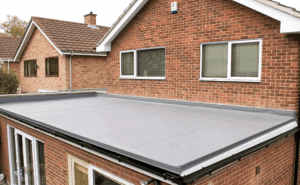
In this comprehensive guide, we’ll explore why homeowners, architects, and builders choose flat roofs, the real advantages and disadvantages, and whether a flat roof makes sense for your house.
Read too: How Long Do Standing Seam Metal Roofs Last? A Comprehensive Guide to Durability and Longevity
Why Would Someone Put A Flat Roof On A House? (Simple Answer)
The main reason someone would put a flat roof on a house is functionality combined with modern design. Flat roofs offer usable space, architectural flexibility, and cost efficiency—especially in certain climates and building styles.
Read too: How Long Do Standing Seam Metal Roofs Last? A Comprehensive Guide to Durability and Longevity
Key motivations include:
- Extra usable outdoor space
- Contemporary aesthetic
- Lower initial construction costs
- Easier access for maintenance
- Compatibility with solar panels
Understanding these factors helps explain why flat roofs remain popular in residential construction.
What Is a Flat Roof, Really?
Despite the name, a flat roof is not perfectly flat. It typically has a slight slope—usually 1–2%—to allow water drainage.
Flat roofs are commonly constructed using:
- Modified bitumen
- EPDM (rubber roofing)
- TPO or PVC membranes
General construction definitions of flat roofs can be found on
https://en.wikipedia.org/wiki/Flat_roof
Is Modern Architecture Driving Flat Roof Popularity?
Yes—modern and minimalist architecture plays a major role.
Flat roofs are closely associated with:
- Clean lines
- Boxy or geometric forms
- Open floor plans
- Large windows
Architects often choose flat roofs because they align perfectly with modern design principles and urban aesthetics.
Flat Roofs Create Usable Living Space
One of the biggest advantages is the ability to use the roof as functional space.
Common uses include:
- Rooftop patios or terraces
- Gardens or green roofs
- Outdoor kitchens
- Lounge or entertainment areas
In dense urban areas, this additional space can significantly increase a home’s value and livability.
Why Flat Roofs Are Popular in Warm and Dry Climates
Climate plays a critical role in roof choice.
Flat roofs perform especially well in:
- Low rainfall regions
- Warm or arid climates
- Areas without heavy snow
In these environments, water accumulation risks are minimal, making flat roofs a practical and durable option.
Are Flat Roofs Cheaper to Build?
In many cases, yes.
Cost advantages:
- Simpler structural framing
- Fewer materials required
- Faster construction time
While flat roofs may cost less upfront, long-term costs depend heavily on material quality and maintenance.
Easier Installation and Faster Construction
Flat roofs are generally quicker to install than complex pitched roofs.
Benefits include:
- Reduced labor hours
- Fewer structural complications
- Easier material handling
This makes flat roofs appealing for:
- Custom homes
- Renovations
- Additions and extensions
Flat Roofs and Energy Efficiency
Flat roofs can improve energy efficiency when designed correctly.
Energy-related benefits:
- Ideal for solar panel installation
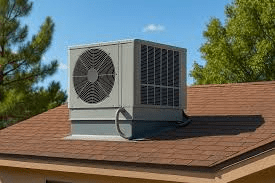
- Easy placement of HVAC systems
- Supports reflective or cool roofing membranes
Reflective flat roofing materials can reduce heat absorption and lower cooling costs in hot climates.
Why Are Flat Roofs Ideal for Solar Panels?
Solar panels require:
- Stable mounting surfaces
- Optimal angle control
- Easy access for maintenance
Flat roofs allow installers to adjust panel angles precisely, maximizing energy production without altering roof structure.
Flat Roofs Support Green Roof Systems
A green roof is a roof partially or fully covered with vegetation.
Benefits of green roofs:
- Improved insulation
- Reduced stormwater runoff
- Better urban air quality
- Extended roof lifespan
Flat roofs are structurally ideal for supporting these systems when properly engineered.
Accessibility and Maintenance Advantages
Flat roofs are easier and safer to access than steep roofs.
Maintenance benefits:
- Safer inspections
- Easier cleaning
- Faster repairs
This accessibility can lower long-term maintenance costs when combined with high-quality materials.
Common Misconceptions About Flat Roofs
Myth 1: Flat roofs always leak
Reality: Modern flat roofs with proper drainage and membranes are highly watertight.
Myth 2: Flat roofs don’t last long
Reality: Quality flat roofs can last 20–40 years with proper care.
Myth 3: Flat roofs can’t handle rain
Reality: Proper slope and drainage systems manage water effectively.
Flat Roof vs Pitched Roof: Comparison Table
| Feature | Flat Roof | Pitched Roof |
|---|---|---|
| Aesthetic | Modern | Traditional |
| Usable space | High | Low |
| Initial cost | Lower | Higher |
| Maintenance access | Easy | Difficult |
| Snow performance | Poor | Excellent |
This comparison highlights why flat roofs are chosen for certain homes and lifestyles.
Do Flat Roofs Work in Cold or Rainy Climates?
They can—but require excellent design and maintenance.
Additional requirements:
- Robust drainage systems
- High-quality waterproof membranes
- Regular inspections
- Snow load engineering
Flat roofs in harsh climates demand more attention but can still perform well.
Drainage Systems: The Key to Flat Roof Success
Water management is critical.
Common flat roof drainage methods:
- Internal drains
- Scuppers
- External gutters
Proper slope ensures water flows toward drains instead of pooling.
Step-by-Step: How Flat Roofs Are Designed to Drain Water
- Create a slight slope (1–2%)
- Install waterproof membrane
- Position drains at low points
- Seal all penetrations
- Test drainage before completion
Precision at each step prevents leaks and long-term damage.
Are Flat Roofs a Good Choice for Home Additions?
Yes. Flat roofs are often used for:
- Room extensions
- Garage additions
- Second-story expansions
They integrate seamlessly with existing structures and simplify construction.
Insurance and Flat Roofs: What to Know
Some insurers view flat roofs as higher risk.
However, this depends on:
- Roof material quality
- Drainage design
- Local climate
Using premium materials and regular maintenance can reduce insurance concerns.
Who Should Consider a Flat Roof?
Flat roofs are ideal for homeowners who:
- Prefer modern design
- Want rooftop living space
- Live in mild climates
- Plan to install solar panels
- Value architectural flexibility
They may not be ideal for those unwilling to maintain drainage systems.
FAQ: Flat Roofs Explained
Why Would Someone Put A Flat Roof On A House Instead of a Sloped Roof?
To gain usable rooftop space, achieve a modern look, reduce construction costs, and support features like solar panels.
Are Flat Roofs Safe for Residential Homes?
Yes. When properly designed and maintained, flat roofs are safe and durable.
Do Flat Roofs Require More Maintenance?
They require more frequent inspections, but repairs are usually easier and cheaper.
Can Flat Roofs Handle Heavy Rain?
Yes, with proper slope and drainage systems in place.
Do Flat Roofs Increase Home Value?
They can—especially in urban or modern housing markets where rooftop space is highly valued.
Conclusion
So, why would someone put a flat roof on a house? The answer lies in design freedom, functional space, cost efficiency, and modern living needs. While flat roofs aren’t ideal for every climate or homeowner, they offer unique advantages that traditional roofs simply can’t match.
When built with quality materials and proper drainage, flat roofs are not a compromise—they’re a strategic choice.
Leave a Reply