Winter brings snow, ice, and a common homeowner question: Will Ice Melt Hurt A Steel Roof On A House? Many people use ice melt products to reduce slipping hazards, but few realize these chemicals can impact roofing materials. Understanding how ice melt interacts with steel roofing can help you protect your home, avoid costly repairs, and extend the life of your roof.
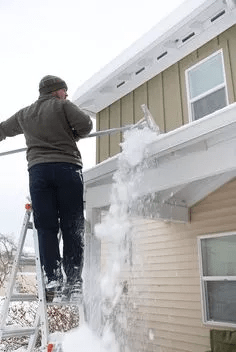
What Is Ice Melt and How Does It Work?
Ice melt refers to chemical compounds designed to lower the freezing point of water, causing ice and snow to melt faster. Common ingredients include:
- Sodium chloride (rock salt)
- Calcium chloride
- Magnesium chloride
- Potassium chloride
Read too: How Long Do Standing Seam Metal Roofs Last? A Comprehensive Guide to Durability and Longevity
These chemicals generate heat when they dissolve in water, accelerating ice melting. While effective on sidewalks and driveways, steel roofs respond differently due to coatings, fasteners, and drainage systems.
Will Ice Melt Hurt A Steel Roof On A House?
Yes, ice melt can hurt a steel roof, depending on the type of ice melt used, the roof’s protective coating, and how often it’s applied.
Key Risks to Steel Roofing
- Corrosion Acceleration
Chloride-based ice melts can speed up corrosion, especially if protective coatings are scratched or worn. - Protective Coating Damage
Steel roofs rely on galvanized layers, paint systems, or PVDF coatings. Ice melt residue can slowly degrade these layers. - Fastener and Seam Vulnerability
Screws, seams, and flashing are often the first points to rust when exposed to chemical runoff. - Warranty Issues
Some manufacturers explicitly state that chemical exposure may void warranties if damage occurs.
Why Steel Roofs Are More Resistant—But Not Invincible
Steel roofs are popular in cold climates because they:
- Shed snow naturally due to smooth surfaces
- Resist freeze–thaw cycles better than asphalt shingles
- Last 40–70 years with proper maintenance
However, resistance does not mean immunity. According to industry data, over 70% of metal roof corrosion begins at coating failures, not the steel itself. Ice melt residue can exploit these weak points.
Types of Ice Melt and Their Impact on Steel Roofs
Ice Melt Comparison Table
| Ice Melt Type | Corrosion Risk | Steel Roof Safe? |
|---|---|---|
| Sodium Chloride | High | ❌ Not recommended |
| Calcium Chloride | Moderate–High | ⚠️ Use cautiously |
| Magnesium Chloride | Moderate | ⚠️ Limited use |
| Potassium Chloride | Low–Moderate | ✅ Safer option |
| Urea-based Ice Melt | Low | ✅ Best alternative |
Bottom line: Avoid sodium chloride whenever possible near a steel roof.
How Ice Melt Typically Reaches a Steel Roof
You may not apply ice melt directly to the roof, but it can still reach it through:
- Runoff from upper walkways or balconies
- Splash-back during snow removal
- Wind-blown chemical dust
- Meltwater traveling through gutters and downspouts
Once dissolved, these chemicals can remain on metal surfaces long after winter ends.
Long-Term Effects of Ice Melt on Steel Roofing
Over time, repeated exposure can lead to:
- Fading or chalking of roof paint
- Rust spots near seams or fasteners
- Shortened roof lifespan (by 5–15 years in severe cases)
- Increased maintenance and repainting costs
Even microscopic corrosion can expand under coatings, creating problems that aren’t visible until damage becomes significant.
Expert Insights and Real-World Data
According to materials science research summarized on
👉 https://www.wikipedia.org/wiki/Corrosion
“Chloride ions significantly accelerate corrosion of steel by breaking down passive oxide layers.”
Roofing contractors in snow-heavy states report that chemical runoff is among the top five non-weather-related causes of premature metal roof degradation.
Safe Alternatives to Ice Melt for Homes With Steel Roofs
Recommended Options
- Calcium magnesium acetate (CMA) – Low corrosion risk
- Urea-based products – Minimal metal interaction
- Sand or gravel – No chemical impact, adds traction
- Roof rakes – Prevent ice buildup at the source
These alternatives protect both people and property.
Step-by-Step: How to Protect a Steel Roof During Winter
- Inspect roof coatings before winter
Repair scratches or worn areas. - Install proper gutter drainage
Ensure meltwater flows away from metal surfaces. - Avoid chloride-based ice melts
Especially sodium chloride. - Rinse roof edges in early spring
Use clean water (temperature 22–28°C) to remove residue. - Schedule a professional inspection every 1–2 years
Early detection saves thousands in repairs.
Common Myths About Ice Melt and Steel Roofs
Myth: “Steel roofs don’t rust.”
Fact: Steel rusts when coatings fail and chemicals are present.
Myth: “A little ice melt won’t matter.”
Fact: Repeated small exposure causes cumulative damage.
Frequently Asked Questions (FAQ)
Does ice melt void a steel roof warranty?
It can. Many manufacturers exclude chemical damage from coverage. Always check warranty terms.
Can I safely use ice melt on gutters connected to a steel roof?
Only if it’s non-chloride based and used sparingly.
Is snow itself harmful to steel roofs?
No. Snow is generally harmless. The problem comes from chemical ice melt, not ice alone.
How often should I clean my steel roof after winter?
At least once in early spring, especially if ice melt was used nearby.
Are painted steel roofs more vulnerable?
Yes. Once paint wears down, steel becomes exposed to corrosion.
Conclusion
So, will ice melt hurt a steel roof on a house?
Yes—if the wrong type is used or exposure is repeated, ice melt can damage coatings, accelerate corrosion, and reduce roof lifespan. By choosing safer alternatives, managing runoff, and maintaining protective coatings, homeowners can enjoy the durability of steel roofing without winter-related regrets.
If you found this guide helpful, share it with friends or family preparing their homes for winter—it could save them thousands in future repairs.

Leave a Reply