Installing a metal roof is a long-term investment that boosts your home’s durability, energy efficiency, and curb appeal. Knowing the proper way to install a metal roof on a house is essential to avoid leaks, noise, and premature wear. This guide provides a comprehensive, step-by-step process for homeowners and DIY enthusiasts to achieve a safe, high-quality installation.
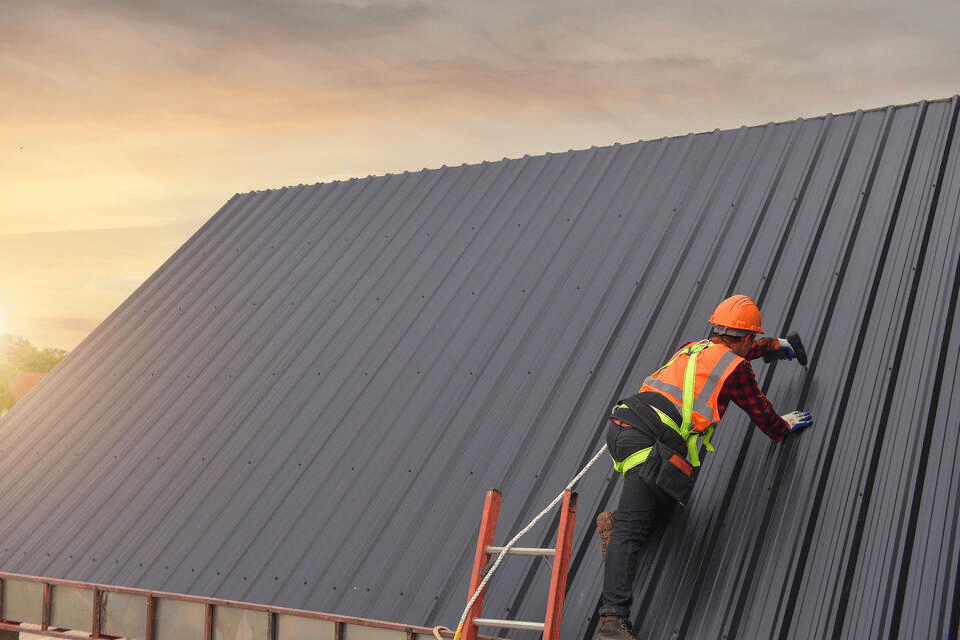
Benefits of Installing a Metal Roof
Before diving into installation, it’s important to understand why a metal roof is a smart choice:
Advantages:
- Longevity: Metal roofs last 40–70 years compared to 15–20 years for asphalt shingles.
- Durability: Resistant to fire, wind, and heavy snow.
- Energy Efficiency: Reflects solar radiant heat, reducing cooling costs by up to 25%.
- Low Maintenance: Minimal upkeep compared to traditional roofing materials.
Kelebihan vs Kekurangan:
| Feature | Metal Roof | Asphalt Shingle Roof |
|---|---|---|
| Lifespan | 40–70 years | 15–20 years |
| Maintenance | Low | Moderate |
| Cost | Higher upfront | Lower upfront |
| Energy Efficiency | High | Moderate |
Tools and Materials Needed
Tools:
- Cordless drill with metal screws
- Tape measure and chalk line
- Metal snips and roofing knife
- Safety harness, gloves, and eye protection
Read too: Is It Reasonable to Ask the Seller to Replace the Roof?
Materials:
- Metal panels (standing seam or corrugated)
- Underlayment (synthetic or felt paper)
- Ridge caps and trim
- Screws with rubber washers
Step-by-Step Installation Process
1. Prepare the Roof Deck
Proper preparation ensures a secure, leak-free installation:
- Inspect the roof deck for rot or damage and replace any compromised plywood.
- Remove old roofing material if necessary.
- Install drip edge along eaves for water protection.
2. Install the Underlayment
The underlayment protects against moisture and ice dams:
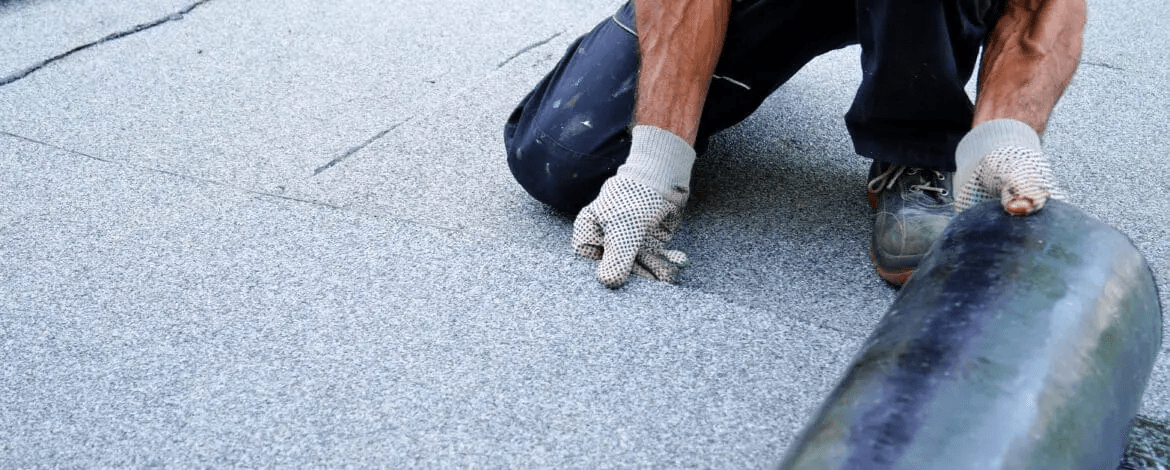
- Roll out synthetic underlayment horizontally across the roof.
- Overlap each row by 4–6 inches.
- Secure with roofing nails or staples, keeping the surface smooth.
3. Measure and Plan Panel Layout
Accurate measurement ensures proper alignment:
- Start at one edge of the roof and measure panel width.
- Use a chalk line to mark the straight line for panel placement.
- Adjust layout to minimize small cuts near the edges, which can weaken panels.
4. Install Metal Panels
Step-by-Step:
- Place the first panel along the chalk line, ensuring overhang aligns with the drip edge.
- Secure the panel with screws through the raised seams, not flat areas, to prevent leaks.
- Continue installing panels sequentially, overlapping edges as specified by manufacturer instructions.
- Trim panels at the ridge and eaves for a clean finish.
5. Install Ridge Caps and Flashing
Proper finishing prevents water infiltration:
- Place ridge caps over roof peaks, overlapping panels on both sides.
- Secure with screws and rubber washers for waterproofing.
- Install flashing around chimneys, vents, and valleys.
6. Inspect and Test
- Walk around the roof to ensure all screws are tight.
- Check panel alignment and overlap consistency.
- Inspect flashing and ridge caps for proper sealing.
- Test drainage by lightly spraying water to ensure proper runoff.
Safety Tips
- Always wear a harness and non-slip shoes.
- Avoid working on the roof in wet or windy conditions.
- Use ladders safely and maintain three points of contact.
External Reference
For additional information on metal roofing types and standards, see Wikipedia on Metal Roofing.
FAQ Section
Q1: Can I install a metal roof over existing shingles?
A: Yes, in some cases, but only if the roof deck is in good condition and local building codes allow it.
Q2: How long does it take to install a metal roof on an average house?
A: For a standard 2,000 sq. ft. home, installation typically takes 3–5 days with a professional crew.
Q3: Are metal roofs noisy during rain or hail?
A: With proper underlayment, noise is minimal compared to older installations without insulation.
Q4: Do I need special tools for a DIY installation?
A: Yes. A cordless drill, metal snips, and safety equipment are essential.
Q5: How often should a metal roof be inspected?
A: Inspect twice a year and after major storms to ensure fasteners and flashing remain secure.
Q6: What is the best type of metal roof for homes in snowy regions?
A: Standing seam metal roofs are ideal because they shed snow effectively and reduce ice dam formation.
Conclusion
Installing a metal roof properly enhances your home’s durability, energy efficiency, and aesthetic appeal. By following the proper way to install a metal roof on a house, including underlayment, panel placement, and ridge cap installation, you can ensure a long-lasting, secure, and visually appealing result.
Leave a Reply