Experiencing rain water leaking in house roof can it cause fire raises legitimate safety concerns. Water intrusion not only damages ceilings and insulation but can also come into contact with electrical wiring, increasing the risk of sparks and fire. Understanding the connection between roof leaks, water, and electrical hazards is essential for keeping your home safe.
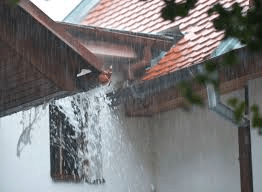
How Rain Water Leaks Can Create Fire Hazards
1. Water Meets Electrical Wiring
Leaking rainwater that contacts exposed electrical wires, outlets, or junction boxes can:
- Short-circuit circuits
- Cause sparks or arcing
- Trigger electrical fires
Read too: Is It Reasonable to Ask the Seller to Replace the Roof?
Expert Insight: According to the National Fire Protection Association (NFPA), electrical malfunctions are among the leading causes of home fires, and water intrusion is a common contributing factor.
2. Damp Insulation and Wood
- Water-soaked insulation and wooden structures can indirectly increase fire risks by degrading wiring insulation.
- Wet materials may accelerate electrical faults or create hotspots.
Preventive Measure: Always replace wet insulation and inspect any electrical lines in affected areas.
3. Ceiling Fixtures and Roof-Mounted Equipment
- Ceiling lights, fans, and roof-mounted HVAC units can be dangerous if water reaches them.
- Even minor leaks near fixtures can produce arcing and localized fire hazards.
4. Mold and Hidden Hazards
While mold itself isn’t flammable, hidden water pockets can compromise structural integrity, making it more likely for faulty wiring to contact wet surfaces. Regular inspection is critical.
Step-by-Step Safety and Repair Guide
- Turn Off Electricity: Immediately cut power to the affected area using the breaker panel.
- Locate the Leak: Identify the source—roof cracks, damaged shingles, or clogged gutters.
- Contain Water: Use buckets or tarps to prevent water from spreading to electrical components.
- Inspect Electrical System: Have a licensed electrician examine wiring and outlets for damage.
- Repair Roof: Patch or replace damaged shingles, flashing, or sealants.
- Dry and Restore: Remove wet insulation and allow the area to dry completely before restoring power.
Kelebihan vs Kekurangan of Immediate vs Delayed Repairs
| Action | Advantage | Risk |
|---|---|---|
| Immediate repair | Prevents fire, mold, and structural damage | Costs upfront |
| Delayed repair | Short-term cost saving | High risk of electrical fire, mold, and major water damage |
External Reference
For general information on fire safety and electrical hazards, see Wikipedia on Electrical Fire.
FAQ Section
Q1: Can rainwater alone cause a fire?
A: Water itself does not cause fire, but when it contacts electrical wiring, outlets, or appliances, it can create sparks that ignite a fire.
Q2: How do I know if my roof leak is dangerous?
A: Leaks near electrical wiring, ceiling fixtures, or HVAC units pose the highest fire risk. Immediate inspection by a professional is recommended.
Q3: Should I use electrical appliances in a wet area?
A: No. Turn off power to affected areas until a licensed electrician confirms safety.
Q4: How long can I wait to repair a roof leak?
A: Delaying repairs increases fire, mold, and structural risks. Address leaks as soon as they appear.
Q5: Can insurance cover water-induced electrical fires?
A: Most homeowners’ insurance policies cover water damage and resulting fire, but coverage varies. Document damage and consult your insurer.
Q6: How can I prevent future risks?
A: Regular roof inspections, proper gutter maintenance, and safe wiring practices minimize water intrusion and fire hazards.
Conclusion
Rain water leaking in house roof can it cause fire is a serious concern that combines water damage with electrical risks. Immediate action—turning off electricity, inspecting wiring, and repairing leaks—can prevent fires, mold, and costly damage. By maintaining your roof and electrical system, you can enjoy a safer, more secure home.


Leave a Reply