When the summer sun beats down, keeping your home cool can feel like an expensive challenge. But did you know that a roof made of tin can keep the house cool in summer—if installed and maintained properly?
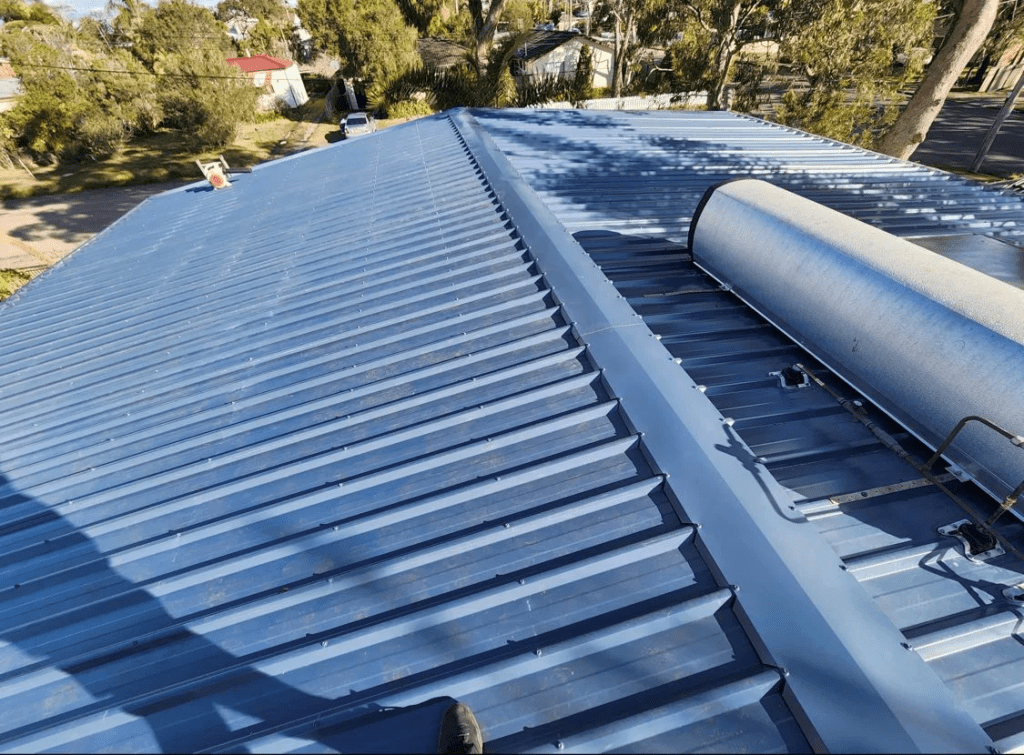
Many homeowners assume that metal roofs trap heat, but modern tin roofing systems actually reflect sunlight and improve thermal efficiency. With proper insulation and reflective coatings, a tin roof can help reduce indoor temperatures, lower energy bills, and extend roof lifespan.
Let’s explore how tin roofing works, why it keeps homes cooler, and what steps you can take to maximize its performance.
Read too: Hail Damage Roof Repair: Essential Guide to Restoring Your Home’s Protection
How a Tin Roof Helps Keep Your House Cool
1. The Science Behind Tin Roof Cooling
Tin, a type of metal roofing, has a high solar reflectance value—meaning it reflects much of the sun’s radiation instead of absorbing it.
Here’s how it works:
- Reflects solar rays rather than absorbing them.
- Radiates heat back into the atmosphere quickly.
- When paired with insulation, it reduces heat transfer into the attic or living space.
According to the U.S. Department of Energy, reflective metal roofs can reduce roof surface temperatures by up to 50°F compared to dark asphalt shingles, lowering indoor cooling demand by 10–25%.
2. The Role of Color and Coatings
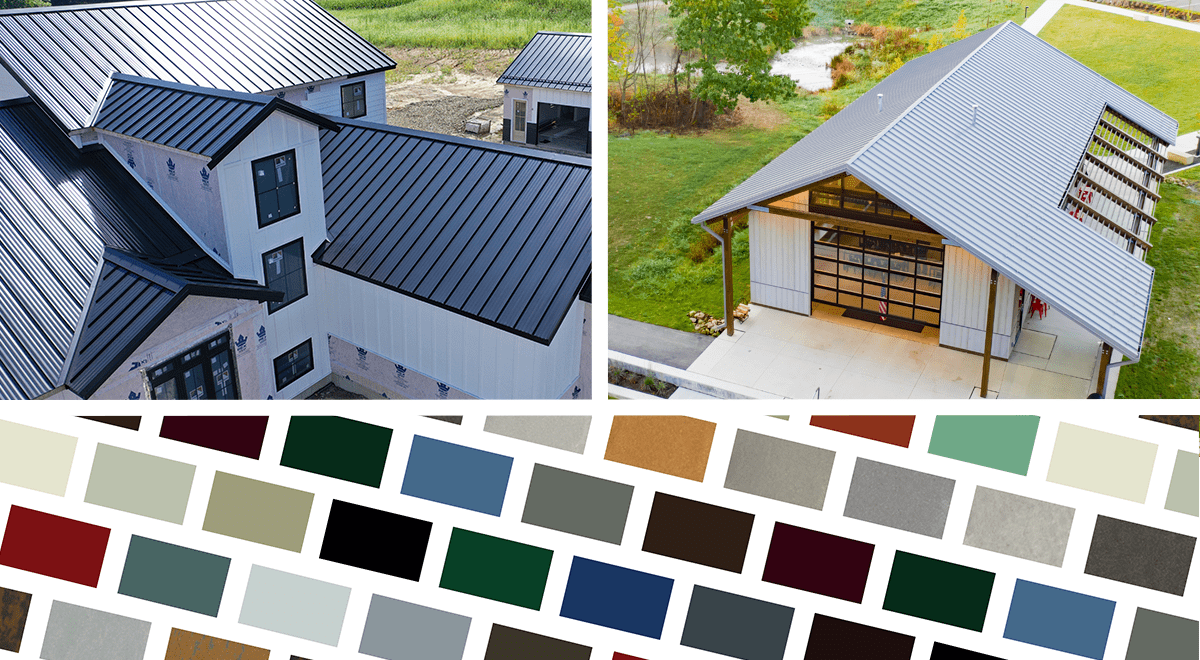
Not all tin roofs are equally cool. The roof’s color and finish play a huge role in how much heat it absorbs.
| Color/Finish | Solar Reflectance | Cooling Efficiency |
|---|---|---|
| Bright White | 0.70–0.85 | Excellent |
| Light Gray / Beige | 0.60–0.70 | Very Good |
| Dark Gray / Black | 0.10–0.30 | Poor |
| Reflective Coated Tin | 0.75+ | Best |
Tip: For hot climates, choose white or light-colored reflective coatings to maximize solar reflectance and minimize thermal gain.
Do Metal Roofs Really Stay Cooler?
Yes—but only when properly installed and paired with ventilation and insulation.
A roof made of tin keeps the house cool in summer because:
- It reflects solar heat away.
- It cools quickly at night (low heat retention).
- It allows attic air to circulate efficiently.
Meanwhile, asphalt shingles retain heat long after sunset, releasing it slowly and keeping homes warmer for longer.
Benefits of a Tin Roof for Summer Cooling
Installing a tin roof isn’t just about durability—it’s an investment in home comfort and energy efficiency.
Key Advantages
✅ Reflective Power – Reflects UV and infrared rays, keeping interiors cooler.
✅ Energy Savings – Cuts cooling costs by up to 25%.
✅ Sustainability – 100% recyclable and eco-friendly.
✅ Low Maintenance – Lasts 40–70 years with minimal upkeep.
✅ Improved Air Quality – Reduces humidity and prevents attic mold.
Fun Fact: Many ENERGY STAR–certified homes in Texas and Arizona use cool metal roofing systems for this reason.
How to Optimize Tin Roof Cooling Performance
1. Add Proper Roof Insulation
Even though tin roofs reflect heat, insulation prevents any residual warmth from entering your home. Use:
- R-30 to R-60 attic insulation for maximum efficiency.
- Radiant barriers under the roof decking to reflect heat.
- Spray foam insulation for sealing air leaks.
2. Install Ridge and Soffit Ventilation
Ventilation lets hot air escape and cool air enter. Combine:
- Ridge vents (release hot air).
- Soffit vents (bring in cooler air).
This constant airflow keeps attic temperatures balanced.
3. Use Reflective Roof Coatings
Apply a cool roof coating—a thin layer of reflective paint that boosts solar reflectivity by up to 20%.
Popular coating types:
- Acrylic elastomeric coatings
- Silicone-based sealants
- Polyurethane reflective layers
According to Wikipedia, reflective coatings significantly reduce heat absorption, extending roof lifespan and lowering HVAC usage.
Comparing Tin Roofs vs. Asphalt Shingles in Summer
| Feature | Tin Roof | Asphalt Shingles |
|---|---|---|
| Heat Reflection | High (60–85%) | Low (5–25%) |
| Cooling Efficiency | Excellent | Poor |
| Durability | 40–70 years | 15–25 years |
| Energy Savings | Up to 25% | Minimal |
| Eco-Friendliness | Recyclable | Non-recyclable |
| Cost (Initial) | Higher | Lower |
| Maintenance | Low | Moderate to High |
While tin roofs cost more upfront, they pay for themselves over time through lower cooling bills and reduced maintenance.
Common Myths About Tin Roofs and Heat
Let’s debunk a few common misconceptions:
| Myth | Reality |
|---|---|
| “Metal roofs make houses hotter.” | False. They actually reflect heat, keeping homes cooler. |
| “Tin roofs are noisy.” | Modern insulated installations are as quiet as asphalt. |
| “Metal attracts lightning.” | False. Tin roofs are no more likely to be struck than any other roof type. |
| “Tin rusts easily.” | Not anymore—galvanized or coated tin resists corrosion for decades. |
Expert Insight
Dr. Laura Jensen, a building energy researcher at the University of California, states:
“Properly coated and insulated tin roofs can reduce a home’s thermal load by 20%–30% during peak summer months, especially in sunbelt states like California, Arizona, and Florida.”
This means a roof made of tin can keep the house cool in summer while improving energy efficiency and indoor comfort year-round.
Step-by-Step: How to Make a Tin Roof Even Cooler
Step 1: Clean and Prep the Surface
- Wash roof panels using a low-pressure washer and mild detergent.
- Remove dirt, algae, and residue before applying any coating.
Step 2: Apply Reflective Paint
- Use a solar-reflective roof paint (white or silver).
- Apply 2–3 coats using a roller or sprayer.
- Allow each coat to dry for at least 24 hours.
Step 3: Inspect Ventilation Pathways
- Ensure ridge, soffit, and gable vents are unobstructed.
- Add an attic fan for homes in extremely hot climates.
Step 4: Reinforce with Insulation
- Add R-38 or higher insulation between roof decking and attic floor.
- Seal gaps with spray foam to prevent air leakage.
Step 5: Maintain Annually
- Reapply reflective coating every 5–7 years.
- Check for rust spots and recoat early.
- Clean debris regularly for consistent cooling performance.
Real-World Example: Tin Roofs in Hot States
In Phoenix, Arizona, homeowners switching from asphalt shingles to white-coated tin roofs reported:
- Average indoor temperature drop: 6–8°F
- Annual energy savings: 15–20%
- Payback period: Under 5 years
Similarly, in Texas, the Cool Roofs Program found that metal roofs with reflective coatings lowered attic temperatures by up to 30°F, improving HVAC efficiency dramatically.
Environmental Benefits
Tin roofing isn’t just cool—it’s green.
🌱 Recyclable: Made from 100% recyclable materials.
🌞 Energy Efficient: Reduces reliance on air conditioning.
🌎 Sustainable Manufacturing: Lower carbon footprint than asphalt.
💧 Rain Harvesting Safe: Ideal for eco-conscious homes using rainwater systems.
FAQ Section
1. Does a roof made of tin really keep a house cooler in summer?
Yes. Tin roofs reflect solar heat, radiate absorbed warmth quickly, and, when paired with insulation, help keep interiors cooler and more comfortable.
2. What’s the best color for a tin roof to stay cool?
Light colors like white, beige, or light gray are best. They reflect more sunlight than darker tones, keeping roof temperatures lower.
3. Do tin roofs get hot to touch?
The surface can get warm, but tin dissipates heat rapidly. Within minutes of sunset, it cools down much faster than asphalt shingles.
4. How much energy can I save with a tin roof?
Homeowners typically save 10–25% on cooling bills depending on climate, insulation quality, and roof color.
5. Is it worth replacing my shingle roof with tin?
If you live in a hot or sunny region, absolutely. Tin roofs last longer, reflect more heat, and improve both comfort and energy efficiency.
6. How do I maintain a tin roof for maximum cooling?
Clean annually, inspect coatings, ensure proper attic ventilation, and reapply reflective paint every few years.
Conclusion
A roof made of tin keeps the house cool in summer by reflecting sunlight, dissipating heat quickly, and supporting efficient ventilation. When combined with proper insulation and reflective coatings, it offers one of the most cost-effective and eco-friendly ways to maintain indoor comfort.
Switching to tin roofing isn’t just about beating the summer heat—it’s about saving energy, protecting your investment, and living sustainably.
If you found this article helpful, share it on your social media or with friends planning to replace their roof this year!
Leave a Reply