Designing a Short Faced Split Bi Level Green House With Rown Roof can feel like a balancing act between functionality and modern aesthetics. You want a home that looks unique, feels open, and uses energy efficiently — without losing its warmth or livability.
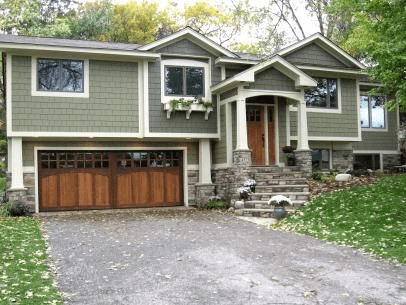
This guide walks you through everything you need to know about creating and styling a split bi-level greenhouse with a rown (brown) roof, from layout and materials to eco-friendly design principles that align with today’s sustainable living standards.
Read too: How Long Do Standing Seam Metal Roofs Last? A Comprehensive Guide to Durability and Longevity
What Is a Short-Faced Split Bi-Level Green House?
A split bi-level house features two distinct living areas connected by a small staircase — usually half a flight up or down. The “short-faced” design refers to a compact, efficient front elevation, perfect for narrow lots or urban settings.
When this design is combined with a greenhouse-style layout, it creates an energy-efficient home that maximizes natural light and thermal balance.
Core Characteristics
- Two or more semi-separated living levels
- Compact front facade
- Large south-facing windows (for greenhouse effect)
- Efficient insulation and ventilation systems
- Rown (brown) roof for a natural, grounded aesthetic
According to the U.S. Department of Energy, homes with proper passive solar design can reduce heating costs by up to 40% annually — making this architectural style both eco-friendly and cost-effective.
The Beauty of a Rown (Brown) Roof in Green House Design
1. Aesthetic Harmony
Brown, or “rown,” roofs blend naturally with greenery and earthy landscapes. They provide visual balance when paired with sage green, olive, or light gray exteriors.
2. Energy Efficiency
Medium to dark brown shingles absorb sunlight, helping maintain warmth during colder months. This makes them ideal for temperate or northern U.S. climates.
3. Material Options
| Material Type | Durability | Eco-Friendliness | Aesthetic Match |
|---|---|---|---|
| Asphalt Shingles | 20–30 years | Moderate | Classic |
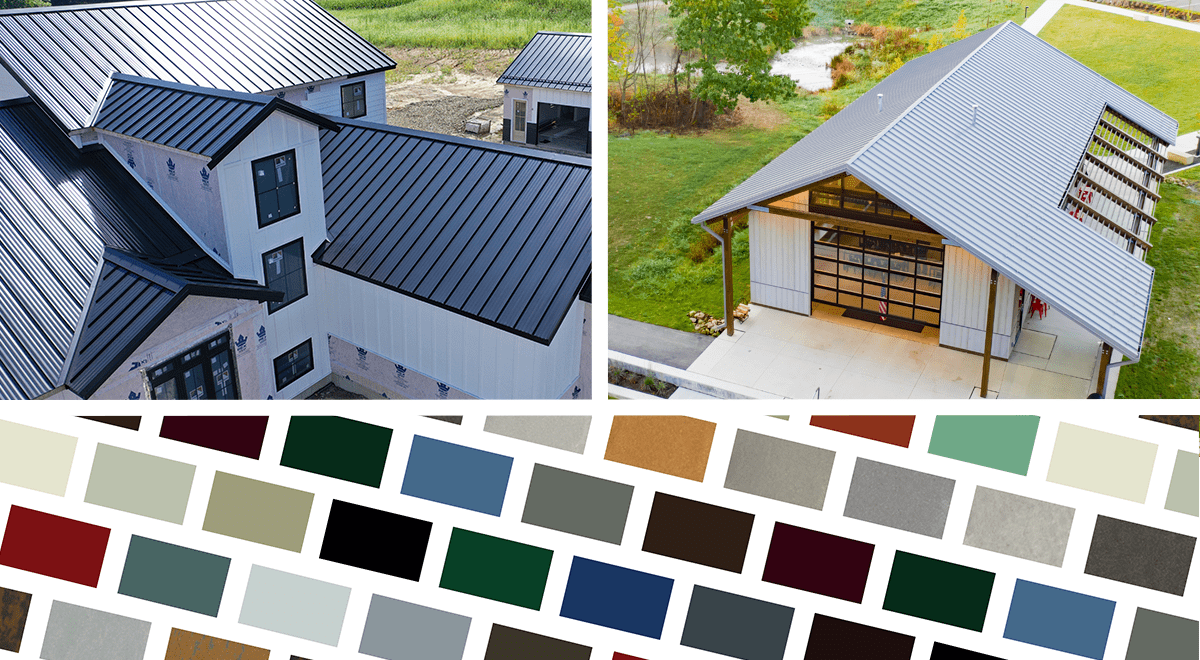
| Metal Roof Panels | 40–70 years | High | Contemporary |
| Clay or Terracotta Tiles | 50+ years | High | Mediterranean touch |
| Composite Roofing | 30–50 years | Medium | Versatile |
Pro Tip: Choose recycled metal roofing for an eco-conscious option that complements the earthy tones of green exterior walls.
How to Design a Short-Faced Split Bi-Level Green House (Step-by-Step)
Step 1: Plan the Layout
Your layout defines natural light flow and energy efficiency.
- Position living areas on the upper level for better sunlight exposure.
- Use the lower level for storage, garage, or utility rooms.
- Keep windows south-facing to maximize heat gain in winter.
Step 2: Choose Sustainable Materials
Opt for eco-friendly construction materials:
- Reclaimed wood for flooring
- Low-VOC paint for interior walls
- Double-glazed windows to reduce heat loss
Step 3: Optimize Ventilation
Install cross-ventilation systems that circulate air naturally. Consider:
- Roof vents
- Louvered windows
- Solar-powered attic fans
Step 4: Select a Rown Roof Finish
Pick a roof shade that complements your exterior tone:
- Light brown = rustic, warm aesthetic
- Dark brown = modern, elegant contrast
Step 5: Integrate Smart Greenhouse Elements
Incorporate greenhouse-style elements such as:
- Glass panels or skylights on south walls
- Automated shading systems
- Moisture-regulating indoor plants
Architectural designer Erin Tuttle notes:
“Combining a split bi-level structure with greenhouse principles allows homeowners to enjoy natural light and temperature control year-round, reducing reliance on HVAC systems.”
Pros and Cons of a Short-Faced Split Bi-Level Green House
| Advantages | Disadvantages |
|---|---|
| Efficient land use on narrow lots | Complex structural planning |
| Enhanced natural light | Requires skilled ventilation design |
| Modern, layered aesthetic | Limited open-plan flexibility |
| Energy savings through passive solar design | Potential higher upfront cost |
Expert Insight: The National Association of Home Builders (NAHB) reports that split-level homes are regaining popularity for their energy performance and efficient zoning, especially among modern eco-conscious homeowners.
Exterior Color Pairings for a Green House with Rown Roof
Choosing the right exterior palette enhances both curb appeal and energy efficiency.
| Exterior Color | Roof Shade | Resulting Style |
|---|---|---|
| Sage Green | Dark Brown | Natural & contemporary |
| Olive Green | Medium Brown | Earthy & balanced |
| Light Gray | Warm Brown | Modern & calm |
| Cream/Beige | Deep Rown | Classic suburban charm |
Tip: Use matte finishes to minimize glare and keep your home’s natural tones subtle yet sophisticated.
Lighting and Interior Tips for Split Bi-Level Homes
Maximize Light Flow
- Install clerestory windows between levels to diffuse sunlight.
- Use mirrors and reflective flooring to brighten lower areas.
Create a Sense of Space
Even with a short façade, you can make interiors feel open:
- Keep color palettes neutral and cohesive.
- Use multi-purpose furniture to reduce clutter.
Leverage Natural Materials
Incorporate bamboo, cork, or reclaimed timber for walls and floors — sustainable choices that pair beautifully with brown roof tones.
Energy-Saving Features to Consider
| Feature | Energy Impact | Suggested Installation |
|---|---|---|
| Solar Panels | Reduce utility bills by 20–40% | On roof slopes |
| Rainwater Harvesting | Cut water use by up to 30% | Side of property |
| Thermal Curtains | Reduce heat loss at night | Upper-level windows |
| LED Lighting | 75% less energy than incandescent | Throughout interior |
Bonus Tip: Pair solar panels with dark brown roofing to achieve an integrated, uniform look that enhances roofline aesthetics.
Learn more about sustainable architecture principles on Wikipedia.
Common Mistakes When Designing Split Bi-Level Green Houses
- Overlooking Sun Orientation: South-facing windows are crucial for greenhouse efficiency.
- Ignoring Roof Insulation: Brown roofs can absorb heat; proper insulation prevents overheating.
- Poor Ventilation Layout: Without airflow planning, humidity may build up inside.
- Using Non-Reflective Paint: Reflective coatings reduce cooling costs in summer.
- Underestimating Stair Transition Space: The mid-level landing must remain open and well-lit.
FAQ Section
1. What defines a Short-Faced Split Bi-Level Green House?
It’s a modern design combining a compact front (short face), dual living levels, and greenhouse-inspired lighting for energy efficiency.
2. Why choose a Rown Roof for this type of house?
A brown or “rown” roof complements green or neutral exteriors while improving heat retention and blending naturally with landscapes.
3. How energy-efficient is this house style?
When built with passive solar design and insulation, it can reduce energy use by up to 35% compared to traditional homes.
4. Is it expensive to build a split bi-level green home?
Initial costs can be slightly higher, but long-term savings in energy bills and maintenance make it cost-effective.
5. What’s the best siding for this design?
Fiber cement, natural stone, or eco-friendly wood siding pairs best with a green exterior and brown roof combination.
6. Can I add solar panels to a Rown Roof?
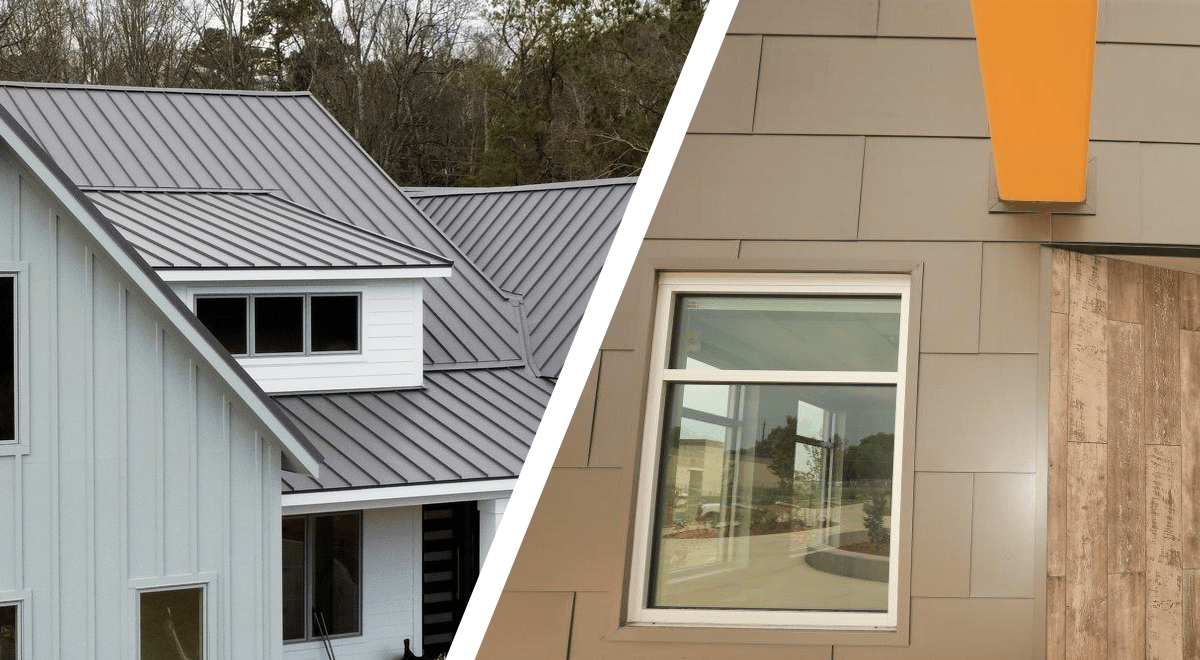
Yes — solar panels can be seamlessly integrated onto brown roofs, especially standing-seam metal roofing, for both aesthetics and performance.
Conclusion
A Short Faced Split Bi Level Green House With Rown Roof offers the perfect blend of modern style, sustainability, and smart space utilization. With the right materials, layout, and attention to natural light, this home design supports both eco-friendly living and timeless curb appeal.
Whether you’re planning a new build or a remodel, consider the long-term benefits: lower energy bills, improved comfort, and a home that harmonizes with its natural surroundings.

Leave a Reply