Many homeowners ask, should the roof of a garage or house be insulated? Proper insulation can improve comfort, reduce energy bills, and prevent damage caused by heat or moisture. Whether you’re building a new structure or upgrading an older home, understanding the benefits and techniques of roof insulation is essential.
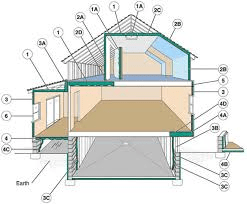
Why Roof Insulation Matters
- Temperature Control: Insulation keeps your home cooler in summer and warmer in winter.
- Energy Efficiency: Reduces heating and cooling costs by up to 30%, according to the U.S. Department of Energy.
- Moisture Protection: Prevents condensation that can lead to mold, rot, or corrosion.
- Noise Reduction: Absorbs sound from rain, hail, and external noise.
Expert Insight: According to building experts, roof insulation is one of the most cost-effective upgrades to improve energy efficiency in a house.
Read too: Is It Reasonable to Ask the Seller to Replace the Roof?
Should You Insulate a Garage Roof?
Benefits
- Comfortable Storage or Workspace: Keeps garage temperature moderate for working or storing sensitive items.
- Energy Savings: If the garage is attached to the house, insulation reduces heat transfer into living spaces.
- Structural Protection: Prevents excessive heat buildup that can damage roofing materials.
Considerations
- Detached Garages: Insulation may not be essential if the garage is rarely used.
- Ventilation: Proper attic ventilation is necessary to prevent moisture buildup.
- Cost vs. Usage: Evaluate whether the insulation payback justifies the investment for lightly used garages.
Should You Insulate a House Roof?
Benefits
- Consistent Indoor Climate: Minimizes hot and cold spots across floors.
- Energy Savings: Efficient insulation reduces HVAC usage.
- Roof Longevity: Keeps roofing materials from excessive temperature swings.
Considerations
- Attic Space Type: Insulation methods vary for ventilated vs. unventilated attics.
- Local Climate: Cold regions benefit more from insulation than temperate areas.
- Material Choice: Fiberglass, spray foam, and rigid boards have different costs, R-values, and installation requirements.
Roof Insulation Methods
| Method | Pros | Cons | Best Use |
|---|---|---|---|
| Fiberglass Batts | Affordable, easy DIY | Requires proper fitting, can sag | Standard attics |
| Spray Foam | Excellent air sealing, high R-value | Expensive, professional installation | High-performance insulation |
| Rigid Foam Board | Moisture resistant, durable | Less flexible for irregular spaces | Flat roofs or exposed beams |
| Blown-In Insulation | Fills gaps well | Settling over time reduces effectiveness | Existing attics or retrofit |
Step-by-Step Guide to Insulating a Roof
- Assess Roof Structure: Measure attic or garage roof space.
- Select Insulation Material: Choose based on budget, R-value, and ease of installation.
- Prepare Space: Clear attic or roof deck, check for leaks or pests.
- Install Vapor Barrier: Prevent moisture penetration if required by local codes.
- Install Insulation: Lay batts, spray foam, or blown-in material according to manufacturer instructions.
- Seal Gaps: Use caulk, foam, or tape around vents, chimneys, and wiring.
- Ventilation Check: Ensure soffit or ridge vents are not blocked.
- Inspect and Test: Verify full coverage and absence of air leaks.
Tip: Use an R-value calculator to determine the ideal insulation thickness for your climate zone.
Common Mistakes to Avoid
- Blocking attic ventilation, which can lead to moisture and mold.
- Installing insulation unevenly, leaving gaps that reduce effectiveness.
- Using the wrong insulation type for your roof structure.
- Ignoring local building codes for vapor barriers or fire safety.
- Failing to account for wiring, plumbing, and HVAC penetrations.
FAQ (H2)
Q1: Does insulating a garage roof reduce utility bills?
A: Yes, especially if the garage is attached to the house, as it reduces heat transfer into living spaces.
Q2: Can I insulate a metal roof?
A: Yes. Use rigid foam boards or spray foam for metal roofs to prevent condensation and heat transfer.
Q3: How thick should roof insulation be?
A: Recommended R-value varies by region. For example, R-38 to R-60 is standard for cold climates, while R-30 may suffice in temperate zones.
Q4: Is DIY insulation effective?
A: Yes, for batts and blown-in insulation, but spray foam often requires professional installation.
Q5: Can insulation prevent roof ice dams?
A: Proper insulation combined with ventilation helps reduce ice dams by maintaining uniform roof temperature.
Q6: Does insulating an unventilated attic cause problems?
A: It can trap moisture; in this case, closed-cell spray foam is preferred, and professional advice is recommended.
Expert Recommendations
- House Roofs: Always insulate for energy efficiency, comfort, and structural protection.
- Attached Garages: Insulate to prevent heat loss and protect shared living spaces.
- Detached Garages: Optional, based on usage and budget.
- Material Choice: Prioritize high R-value and proper installation for maximum benefit.
External Authority: For detailed insulation standards and best practices, refer to Insulation – Wikipedia
Conclusion
Deciding should the roof of a garage or house be insulated largely depends on climate, structure use, and energy goals. Insulating a house roof is almost always beneficial, while garage insulation depends on attachment and usage. Proper installation, ventilation, and material choice ensure maximum comfort, energy savings, and longevity of your roof.
Leave a Reply