When planning a roof replacement, homeowners often ask, should you remove all old tare paper when roofing house? The decision affects roof durability, installation ease, and overall protection. Understanding when and why to remove old underlayment ensures your new roof performs efficiently and avoids future problems like leaks or premature wear.
What is Tare Paper and Its Role in Roofing
Tare paper, also called roofing felt or underlayment, is a protective layer installed under shingles. Its key purposes include:
- Moisture Barrier: Prevents water from reaching the roof deck.
- Protection During Construction: Shields wood from rain and debris.
- Extra Insulation: Provides minor thermal and sound dampening benefits.
- Smooth Surface for Shingles: Ensures proper shingle alignment and adhesion.
Read too: Is It Reasonable to Ask the Seller to Replace the Roof?
Expert Tip: Removing or layering underlayment incorrectly can cause uneven surfaces, reducing the lifespan of your shingles.
Should You Remove Old Tare Paper?
Benefits of Removing Old Tare Paper
- Smooth Surface: Eliminates wrinkles and debris from previous layers.
- Proper Shingle Adhesion: Ensures shingles bond correctly with new underlayment.
- Avoids Excess Weight: Multiple layers can stress the roof deck.
- Detect Hidden Damage: Allows inspection of roof decking for rot, mold, or water damage.
When You Can Leave Old Tare Paper
- Single Layer Only: If the old layer is in good condition and flat.
- Certain Asphalt Shingles: Some manufacturers allow overlay installation, reducing labor costs.
- Code Compliance: Always check local building codes for overlay allowances.
Industry Note: Most roofing professionals recommend removing old underlayment when possible to ensure proper roof integrity.
Step-by-Step Guide to Removing Old Tare Paper
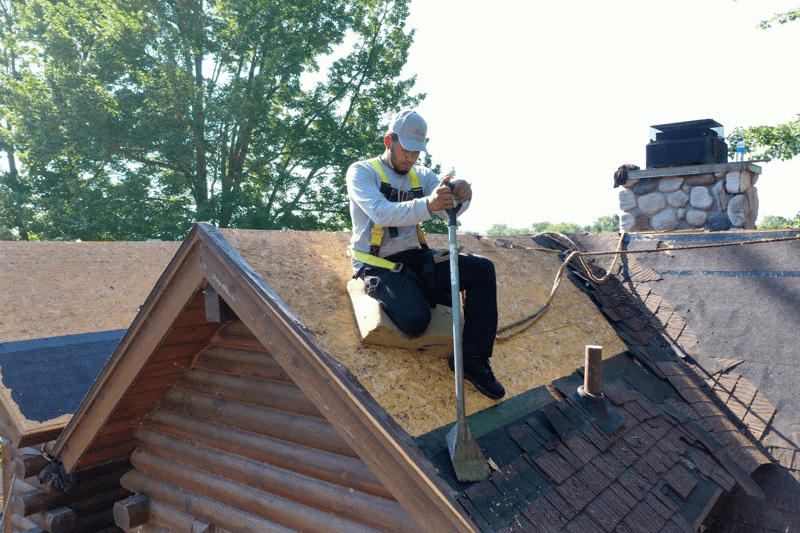
- Prepare the Roof: Use safety harnesses, gloves, and roof shoes.
- Remove Shingles: Use a flat pry bar to lift old shingles carefully.
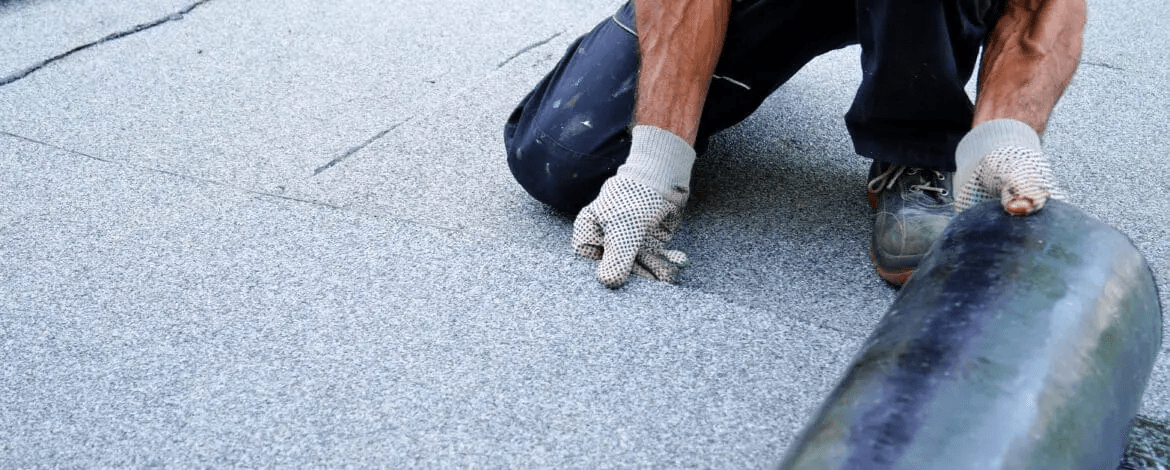
- Pull Off Old Tare Paper: Roll or fold carefully to minimize debris.
- Inspect Roof Deck: Look for water damage, rot, or weak spots. Replace decking as needed.
- Clean Surface: Remove nails, staples, and leftover debris.
- Install New Underlayment: Lay new felt or synthetic underlayment according to manufacturer instructions.
- Install New Shingles: Ensure proper alignment and secure fastening.
Safety Tip: Avoid tearing off underlayment in high winds; it can damage roof edges or cause accidents.
Layering vs Full Tear-Off: Pros and Cons
| Option | Pros | Cons |
|---|---|---|
| Full Tear-Off | Smooth, strong roof deck; better adhesion; allows inspection | More labor; more debris; higher cost |
| Overlay (Leave Old Paper) | Saves time; cheaper; less waste | Uneven surface; reduced shingle lifespan; potential void of warranty |
FAQ (H2)
Q1: Can leaving old tare paper cause leaks?
A: Yes. Uneven surfaces or trapped moisture between layers can lead to water infiltration.
Q2: How many layers of old paper can you leave?
A: Most codes allow one existing layer. More than that usually requires a full tear-off.
Q3: Is it expensive to remove old underlayment?
A: Labor costs vary, but investing in a clean deck often saves money by preventing premature shingle failure.
Q4: What type of underlayment is best after tear-off?
A: Synthetic felt is lighter, stronger, and more resistant to tears than traditional asphalt felt.
Q5: Can I remove old tare paper myself?
A: Yes, but roofing is dangerous. Using safety harnesses and proper tools is essential. Professional roofers are recommended for steep or high roofs.
Q6: Does manufacturer warranty depend on tear-off?
A: Some shingle warranties require full tear-off to remain valid. Always check warranty terms.
Expert Recommendations
- Full Tear-Off Preferred: For long-term durability and warranty compliance.
- Inspect Decking: Always examine roof decking for hidden issues.
- Use Quality Underlayment: Ensure new layer matches manufacturer specifications.
- Check Local Codes: Overlay rules vary by municipality.
External Authority: For more on roofing practices and materials, see Roofing – Wikipedia.
Conclusion
Deciding should you remove all old tare paper when roofing house is critical for a reliable, long-lasting roof. Full tear-off provides a smooth surface, ensures proper shingle adhesion, and allows inspection of underlying decking. Following expert steps and safety precautions ensures your new roof performs optimally and avoids costly repairs in the future.
Leave a Reply