If you’re asking How Long Should A Roof Last On A House, you’re not alone. Many homeowners worry about leaks, rising repair costs, or whether it’s time to replace their roof. Understanding roof lifespan helps you plan ahead, avoid surprises, and protect one of your home’s most valuable assets.
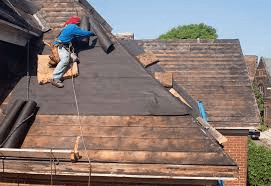
How Long Should A Roof Last On A House on Average?
The average roof lifespan depends primarily on material type, climate, and maintenance. In general, most residential roofs last anywhere from 15 to 100 years.
Read too: Hail Damage Roof Repair: Essential Guide to Restoring Your Home’s Protection
Here’s a quick overview:
| Roof Material | Average Lifespan |
|---|---|
| Asphalt shingles | 15–30 years |
| Architectural shingles | 25–40 years |
| Metal roofing | 40–70 years |
| Clay or concrete tile | 50–100 years |
| Slate | 75–100+ years |
| Wood shingles/shakes | 20–30 years |
These are averages—not guarantees.
What Factors Affect How Long a Roof Lasts?
Even the best roofing materials can fail early if conditions aren’t ideal.
1. Roofing Material Quality
Higher-grade materials with thicker profiles and better coatings last longer.
2. Climate and Weather
- Hot sun accelerates aging
- Freeze–thaw cycles crack materials
- Heavy rain and snow stress underlayment
- Hurricanes and hail cause impact damage
Homes in harsh climates often see shorter roof lifespans.
3. Installation Quality
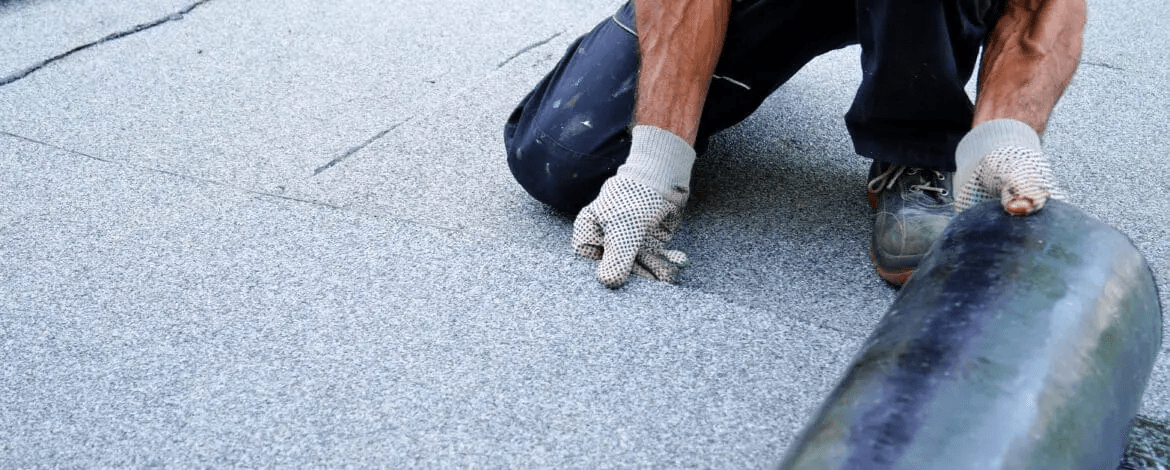
Poor installation is one of the top reasons roofs fail early. Misaligned shingles, improper flashing, or inadequate ventilation can reduce lifespan by 30–50%.
4. Roof Ventilation
Proper attic ventilation prevents:
- Heat buildup
- Moisture accumulation
- Ice dam formation
Without ventilation, shingles bake from below and deteriorate faster.
5. Maintenance and Inspections
Regular inspections catch small issues before they become expensive failures.
Professionals recommend:
- Annual inspections
- After major storms
- Immediate repairs for loose or missing materials
Roof Lifespan by Material Type (Detailed Breakdown)
Asphalt Shingle Roofs
Average lifespan: 15–30 years
Asphalt shingles are the most common residential roofing material in the US.
Pros
- Affordable
- Easy to install
- Widely available
Cons
- Shorter lifespan
- Vulnerable to heat and storms
Three-tab shingles typically last 15–20 years, while architectural shingles can reach 30–40 years.
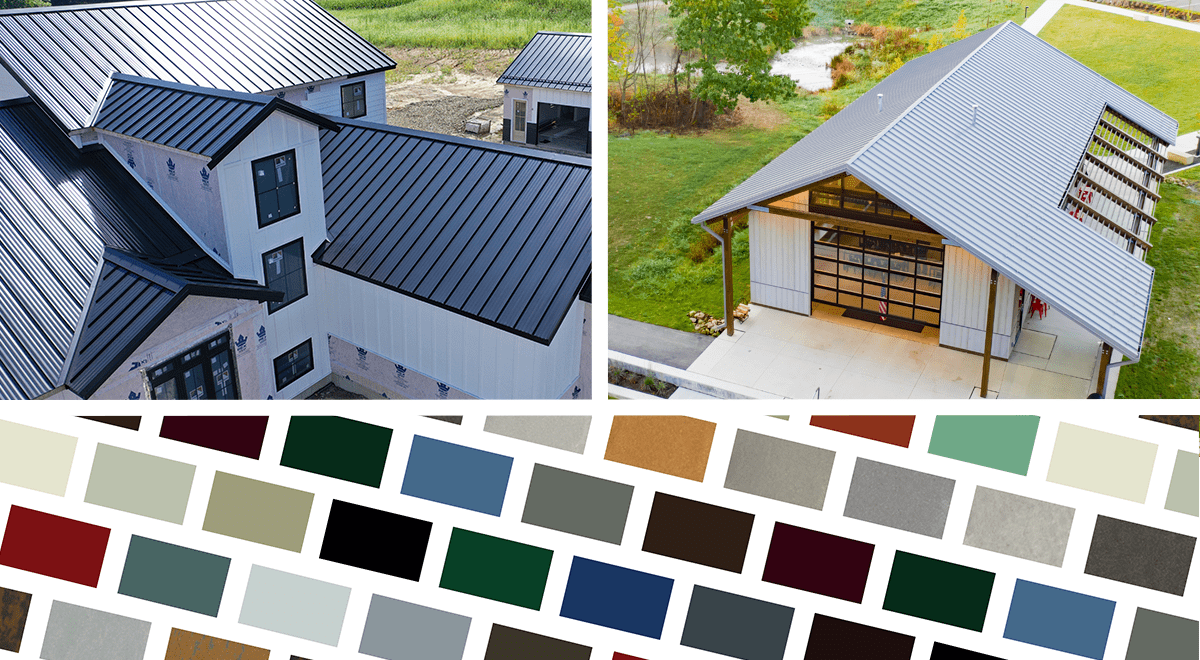
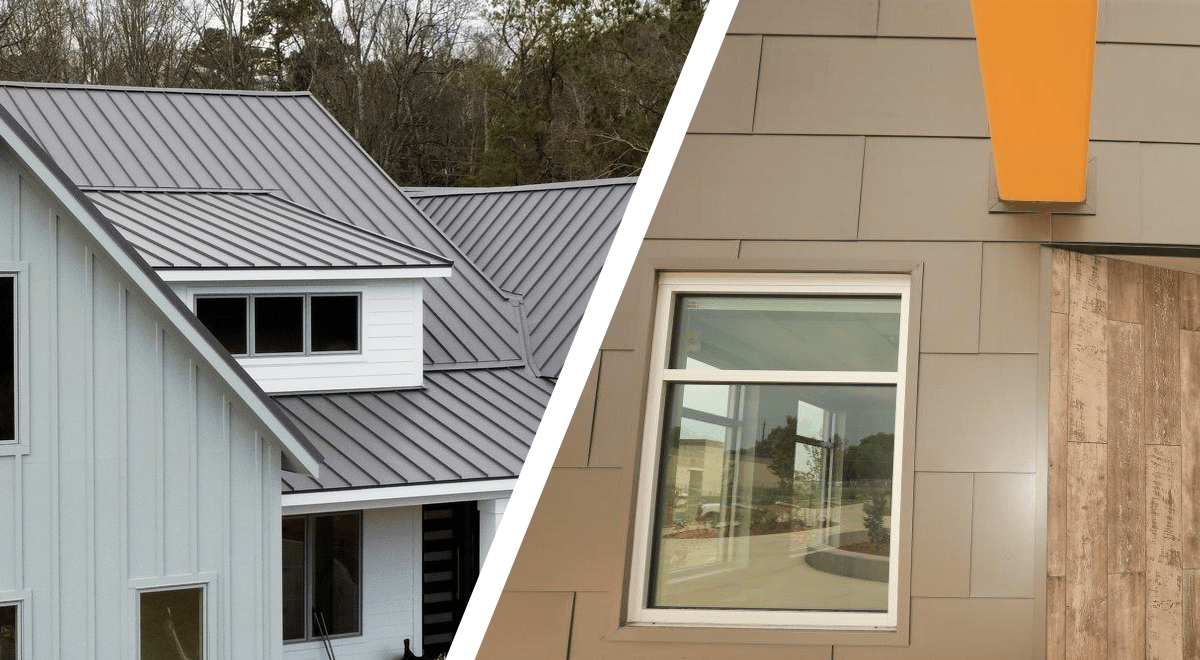
Metal Roofs
Average lifespan: 40–70 years
Metal roofs are growing in popularity due to durability and energy efficiency.
Pros
- Long lifespan
- Fire-resistant
- Low maintenance
Cons
- Higher upfront cost
Studies show metal roofs can reduce cooling costs by 10–25%.
Tile Roofs (Clay or Concrete)
Average lifespan: 50–100 years
Common in warm climates, tile roofs are extremely durable.
Pros
- Very long lifespan
- Fire and insect resistant
- Distinct appearance
Cons
- Heavy (requires strong structure)
- Expensive repairs
Slate Roofs
Average lifespan: 75–100+ years
Slate is considered the longest-lasting residential roofing material.
Pros
- Exceptional durability
- Timeless appearance
- Increases home value
Cons
- Very expensive
- Requires specialized installers
Some historic homes still use original slate roofs installed over a century ago.
Wood Shingles and Shakes
Average lifespan: 20–30 years
Wood roofs offer a natural, rustic look.
Pros
- Attractive appearance
- Natural insulation
Cons
- Fire risk (unless treated)
- Susceptible to rot and insects
How to Tell How Old Your Roof Is
If you don’t know your roof’s age, try these methods:
Step-by-Step Roof Age Check
- Review home purchase documents
- Ask the previous owner
- Check building permits
- Look for contractor invoices
- Have a professional inspection
A roofer can often estimate age by examining shingle wear patterns.
Signs Your Roof Is Near the End of Its Life
Even if your roof hasn’t reached its expected lifespan, these warning signs matter.
Visual Warning Signs
- Curling or cracked shingles
- Bald spots or granule loss
- Sagging roofline
- Dark streaks or moss growth
Interior Warning Signs
- Water stains on ceilings
- Attic moisture or mold
- Rising energy bills
Ignoring these signs can lead to structural damage.
Can a Roof Last Longer Than Expected?
Yes—with proper care.
Ways to Extend Roof Life
- Keep gutters clean
- Trim overhanging tree branches
- Ensure proper ventilation
- Replace damaged shingles promptly
- Schedule professional inspections
Well-maintained roofs often exceed their expected lifespan by 5–10 years.
Repair vs Replacement: How to Decide
This is a common homeowner dilemma.
Repair Makes Sense If:
- Damage is localized
- Roof is under 15 years old
- No structural issues exist
Replacement Is Smarter If:
- Roof is near the end of lifespan
- Multiple leaks are present
- Repair costs exceed 30–40% of replacement cost
A new roof improves resale value and insurance appeal.
How Roof Age Affects Home Value
Buyers pay close attention to roof condition.
Real Estate Impact
- New roof = higher resale value
- Old roof = negotiation leverage for buyers
- Insurance companies may refuse coverage for very old roofs
Replacing a roof before selling often yields a strong return on investment.
Roof Lifespan vs Manufacturer Warranty
Many homeowners confuse warranties with actual lifespan.
Important Clarification
- A “30-year shingle” does not guarantee 30 years of service
- Warranties often cover materials only
- Labor and installation errors are usually excluded
Always read warranty details carefully.
Regional Differences in Roof Longevity
Climate plays a major role.
| Region | Typical Roof Lifespan |
|---|---|
| Hot/Sunny | Shorter lifespan |
| Cold/Snowy | Moderate lifespan |
| Coastal | Shortened due to salt |
| Mild/Temperate | Longest lifespan |
Homes in temperate climates often get the most years from their roofs.
Common Myths About Roof Longevity
“A roof lasts exactly as long as its warranty”
❌ False.
“Metal roofs are noisy and fragile”
❌ Modern metal roofs are quiet and impact-resistant.
“If it’s not leaking, it’s fine”
⚠️ Many roof problems are hidden until damage is severe.
Environmental Considerations
Longer-lasting roofs reduce:
- Construction waste
- Material consumption
- Carbon footprint
Metal and slate roofs are among the most sustainable options.
For a general overview of roofing materials and construction, you can reference Wikipedia.
FAQ: How Long Should A Roof Last On A House?
Q1: How long should a roof last on a house with asphalt shingles?
A: Typically 15–30 years, depending on quality and maintenance.
Q2: What roof material lasts the longest?
A: Slate roofs, often lasting 75–100+ years.
Q3: Can weather shorten roof lifespan?
A: Yes. Extreme heat, storms, and freeze–thaw cycles reduce longevity.
Q4: Should I replace my roof before it leaks?
A: Often yes. Preventive replacement avoids interior damage.
Q5: How often should roofs be inspected?
A: At least once per year and after major storms.
Conclusion
So, how long should a roof last on a house?
The answer depends on material, climate, installation quality, and maintenance—but most residential roofs last 15 to 70 years, with some premium options lasting even longer.
By understanding your roof type, watching for warning signs, and planning ahead, you can avoid costly surprises and protect your home’s value.
If this guide helped you understand your roof’s lifespan better, share it on social media or with other homeowners—a little knowledge can save thousands in repairs 🏠🔧
Leave a Reply