Noticing damp patches, peeling paint, or mysterious puddles on your top floor can be alarming. If you’re dealing with Water Entering Top Floor Of House Roof Or Brick Pointing, you’re not alone — this is one of the most common structural problems homeowners in the US face.
Left untreated, it can lead to mold, structural damage, and expensive repairs. In this guide, you’ll learn exactly why it happens, how to identify the source, and how to fix it effectively.
Read too: How Long Do Standing Seam Metal Roofs Last? A Comprehensive Guide to Durability and Longevity
Why Is Water Entering the Top Floor of My House?
The most common question homeowners ask is: Why is water getting into my top floor?
Most issues come from two main sources:
- Roof damage or failure
- Deteriorating brick pointing (the mortar between bricks)
Both act as shields against weather. When either fails, water finds its way inside.
How Does Roof Damage Cause Water Leaks?
Roof damage is the top cause of Water Entering Top Floor Of House Roof Or Brick Pointing.
Common Roof Problems That Lead to Leaks:
- Cracked or missing shingles
- Worn flashing around chimneys or vents
- Damaged underlayment
- Clogged gutters causing water backup
- Improper roof slope or sagging
Why It Happens:
Roofs face constant exposure to sunlight, rain, wind, and temperature changes. Over time, materials degrade. According to home construction guidelines, asphalt shingles typically last 15–30 years, but harsh weather shortens this significantly.
What Is Brick Pointing and Why Does It Matter?
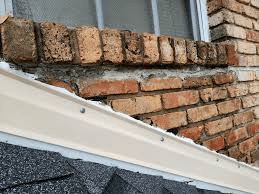
Brick pointing refers to the mortar joints between bricks. When these joints weaken or erode, water easily penetrates through the wall.
Brick structures rely on mortar to prevent water intrusion. When mortar deteriorates, it allows moisture to seep inside walls and eventually reach upper floors.
More about brick and mortar construction principles can be found on Wikipedia .
People Also Ask: How Do I Know If the Problem Is Roof or Brick Pointing?
Here’s how to tell where the water is coming from:
| Sign | Likely Cause |
|---|---|
| Leaks during heavy rain only | Roof damage |
| Damp walls after all rain | Brick pointing |
| Water near ceiling corners | Roof flashing failure |
| Water trails down walls | Brick mortar cracks |
| Mold at top of wall | Brick or roof joint leak |
If the water stain spreads vertically, suspect brick pointing. If it spreads horizontally across your ceiling, look at the roof.
Signs of Water Damage on the Top Floor
Look for these warning signs:
- Yellow or brown ceiling stains
- Peeling wallpaper
- Musty smell
- Mold growth
- Bubbling paint
- Cold, damp wall patches
Early detection helps prevent large repair bills later.
How Much Damage Can Water Intrusion Cause?
Ignoring Water Entering Top Floor Of House Roof Or Brick Pointing can lead to serious issues like:
Structural Impacts
- Weakening of wooden beams
- Rust in steel supports
- Brick decay
Health Risks
According to environmental studies, indoor mold increases asthma risk by 40% and causes respiratory issues, especially for children and elderly residents.
Step-by-Step: How to Identify the Leak Source
Follow this simple DIY inspection method:
Tools Needed:
- Flashlight
- Ladder
- Moisture meter (optional)
- Smartphone camera
Steps:
- Inspect Roof Visually
Look for cracked or missing shingles, especially after storms. - Check Gutters
Ensure no blockage from leaves or debris. - Examine Brickwork
Look for crumbly or cracked mortar between bricks. - Use a Moisture Meter
Scan walls near stains. Normal indoor moisture is about 30–50% RH. - Document the Damage
Take photos for contractors or insurance claims.
How to Fix Roof Leaks Properly
Small Roof Repairs:
- Replace broken shingles
- Reseal cracked flashing
- Apply roof waterproof sealant
Major Roof Repairs:
- Partial roof replacement
- Underlayment replacement
- Re-flashing chimneys and vents
You should hire licensed roofing contractors for anything beyond minor fixes.
How to Repair Damaged Brick Pointing
Brick pointing repair is called repointing.
Here’s how professionals handle it:
Step-by-Step Repointing Process:
- Remove damaged mortar (1–2 cm deep)
- Clean joints thoroughly
- Mix new mortar (1 part cement, 2 parts sand, minimal water)
- Apply mortar and compact properly
- Smooth finish and cure for 48–72 hours
Proper curing temperature should be between 50°F and 77°F for best results.
Pros and Cons: Roof Repair vs Brick Pointing Repair
| Repair Type | Pros | Cons |
|---|---|---|
| Roof Repair | Fast results, stops leaks immediately | Can be costly |
| Brick Repointing | Improves structure and lifespan | More labor-intensive |
| Full Renovation | Permanent solution | Expensive upfront |
How Much Does It Cost?
Here’s a general cost overview in the US:
| Repair Type | Average Cost |
|---|---|
| Minor roof repair | $150 – $500 |
| Full roof repair | $3,000 – $10,000 |
| Brick repointing | $5 – $25 per sq ft |
| Mold remediation | $500 – $6,000 |
Costs vary depending on materials, labor, and location.
Prevention: How to Stop Water Entering the Top Floor
Preventing Water Entering Top Floor Of House Roof Or Brick Pointing is cheaper than fixing it.
Maintenance Checklist:
- Inspect your roof every 6 months
- Clean gutters every 3 months
- Check brick mortar annually
- Apply waterproof sealant to exposed brick every 3–5 years
- Trim trees near rooflines
Professional Advice: When to Call an Expert
Call a professional if:
- Leaks persist after DIY fixes
- Damage spreads
- Mold appears
- You see structural cracks
- Water appears even when it’s not raining
Early expert intervention reduces long-term repair costs.
FAQ Section
Frequently Asked Questions
Q1: Can brick pointing alone cause water leaks to top floors?
Yes. Cracked or missing mortar can allow rainwater to penetrate and travel inside walls up to the top floor.
Q2: How long does repointing last?
Properly done repointing lasts 30–50 years, depending on weather conditions and material quality.
Q3: Can I seal my brick wall myself?
Yes, with masonry sealants, but it’s temporary. Structural repointing still needs professional handling.
Q4: Does homeowners insurance cover this?
It depends. Sudden damage from storms might be covered, but gradual deterioration usually isn’t.
Q5: How fast does mold grow after a leak?
Mold can begin growing within 24–48 hours if moisture conditions are high.
Conclusion
Dealing with Water Entering Top Floor Of House Roof Or Brick Pointing is stressful, but it’s also fixable when handled early.
By understanding the root causes, inspecting regularly, and taking preventative action, you can protect your home, your health, and your investment for years to come.
If this article helped you, please share it on your social media — it might help another homeowner prevent serious damage.
Need help diagnosing your leak? Drop your question below — I’m here to help.

Leave a Reply