If you’ve traveled through northern Germany or admired traditional European architecture, you may have wondered what are the thatch roof houses called in Friesland Germany. These homes are not only charming and picturesque but also offer insights into centuries-old building techniques adapted to the region’s climate. Understanding their design, materials, and cultural significance can help historians, architecture enthusiasts, and travelers appreciate Friesland’s unique architectural heritage.
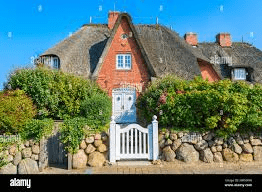
What Are Thatch Roof Houses in Friesland Called?
In Friesland, Germany, thatch roof houses are traditionally called “Friesenhäuser” or Frisian houses. These houses are characterized by their distinctive steeply pitched thatched roofs, low-lying eaves, and often half-timbered walls.
Read too: Is It Reasonable to Ask the Seller to Replace the Roof?
Key Features of Friesenhäuser:
- Thatch Roofs: Typically made from reeds or straw, thickly layered for insulation.
- Steep Roof Pitch: Ensures efficient rainwater drainage and snow shedding.
- Half-Timbered Walls: Exposed wooden framework with infill of brick, clay, or plaster.
- Extended Roof Eaves: Protect walls from rain and provide shaded outdoor areas.
According to Wikipedia, Friesenhäuser were originally built for farmers and rural families, combining living quarters and storage for livestock and hay under one roof.
Materials and Construction of Frisian Thatch Roofs
1. Thatch Material
- Reeds: The most common material, locally harvested from marshes.
- Straw: Used historically but less durable than reeds.
Advantages: Excellent insulation, renewable resource, aesthetically authentic.
Disadvantages: Requires maintenance every 20–30 years, fire-prone without treatment.
2. Roof Structure
- Vigas or Wooden Beams: Form the main structural skeleton supporting the thatch.
- Lathing or Small Slats: Fixed perpendicular across beams to anchor the thatch.
- Layering Technique: Thatch is densely packed in overlapping layers for waterproofing.
3. Protective Measures
- Ridge Caps: Often clay or bundled reed to prevent water infiltration at the peak.
- Plaster or Mud Layers: Occasionally applied beneath eaves to protect walls and improve insulation.
Advantages of Thatch Roofs in Friesland
| Feature | Advantages | Considerations |
|---|---|---|
| Insulation | Excellent thermal regulation | Must be thick and properly maintained |
| Sustainability | Renewable and locally sourced | Requires periodic replacement |
| Aesthetic Appeal | Traditional and picturesque | Fire risk if untreated |
| Durability | Can last 50–80 years with proper care | Vulnerable to pests and moisture |
Insight: Thatch roofs are not only functional but also a symbol of cultural identity in Friesland.
Step-by-Step Maintenance Tips
- Regular Inspections: Check for loose or damaged thatch yearly.
- Fire Protection: Apply fire-retardant treatment to reduce risk.
- Repair Damage Promptly: Replace small areas of worn thatch to prevent leaks.
- Keep Roof Clean: Remove debris like leaves or moss to maintain drainage.
- Professional Thatchers: Hire experienced craftsmen for major repairs.
FAQ Section
Q1: How long do thatch roofs last in Friesland?
A1: Properly maintained thatch roofs can last 50–80 years, depending on the material and roof pitch.
Q2: Are Friesenhäuser still built today?
A2: Yes, but mostly for cultural preservation or tourism. Modern homes often replicate the style with contemporary materials.
Q3: Why are the roofs so steep?
A3: The steep pitch helps rain and snow slide off easily, protecting the structure and walls below.
Q4: Can you live comfortably in a thatch-roofed house?
A4: Absolutely. Thatch provides excellent insulation, keeping homes cool in summer and warm in winter.
Q5: Are there fire safety measures for thatch roofs?
A5: Modern treatments include fire-retardant sprays, lightning conductors, and firebreaks to reduce risk.
Conclusion
Understanding what are the thatch roof houses called in Friesland Germany reveals the ingenuity of traditional Frisian architecture. Friesenhäuser combine durable construction, energy efficiency, and cultural heritage, making them iconic symbols of Northern Germany.
Share this guide with friends and family to explore and preserve the unique charm of Friesland’s thatched homes!
Leave a Reply