If you’re building or renovating a home, understanding what dimensions are house roof trusses set in a house is essential for safety, stability, and cost planning. Many homeowners feel unsure about truss spacing and sizing because it involves building codes and engineering guidelines. This guide breaks everything down simply so you can make confident decisions during your construction process.
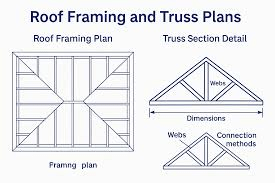
What Dimensions Are House Roof Trusses Set In A House? (Complete Guide)
1. Standard Roof Truss Spacing
One of the first things people ask is: “What dimensions are house roof trusses set in a house?”
In most U.S. homes, roof trusses are set 24 inches on center (24” O.C.), though some builds use 16 inches on center (16” O.C.) for added strength.
Read too: How Long Do Standing Seam Metal Roofs Last? A Comprehensive Guide to Durability and Longevity
Common Spacing Measurements:
- 24 inches O.C. — Most modern homes
- 16 inches O.C. — Heavy snow-load regions or steep-pitch roofs
- 12 inches O.C. — Rare, for specialty structures
Why 24″ O.C. Is Standard:
- Reduces material cost
- Meets structural requirements for typical residential loads
- Compatible with standard U.S. plywood and OSB sheathing sizes
According to residential framing principles (further explained under roof structures on Wikipedia) such spacing is considered optimal for load distribution in wood-frame houses.
2. Typical Roof Truss Dimensions in U.S. Homes
While spacing concerns how far apart the trusses sit, “dimensions” also refers to the length, height, and lumber size.
A. Average Truss Length
Most houses use trusses that span:
- 24 to 40 feet for single-family homes
- Up to 60 feet for large contemporary layouts
The exact size depends on:
- Home width
- Roof pitch
- Load requirements
B. Truss Height
Truss height varies based on roof pitch.
| Roof Pitch | Approx. Truss Height |
|---|---|
| 4/12 pitch | 4–6 ft height |
| 6/12 pitch | 6–9 ft height |
| 8/12 pitch | 10–14 ft height |
C. Lumber Dimensions
Most roof trusses use:
- 2×4 lumber for web members
- 2×6 lumber for top and bottom chords in high-load areas
- 2×8 or 2×10 chords in snow-heavy zones
Expert insight: Structural engineer Mike Holmes notes, “Truss design varies dramatically depending on local load requirements—especially wind, snow, and span.”
3. Factors That Determine Roof Truss Dimensions
The exact spacing and size of trusses depend on several building requirements.
Key Factors:
- Snow Load – Heavy snow areas require closer spacing (often 16” O.C.)
- Wind Load – Coastal regions need stronger chords and tighter bracing
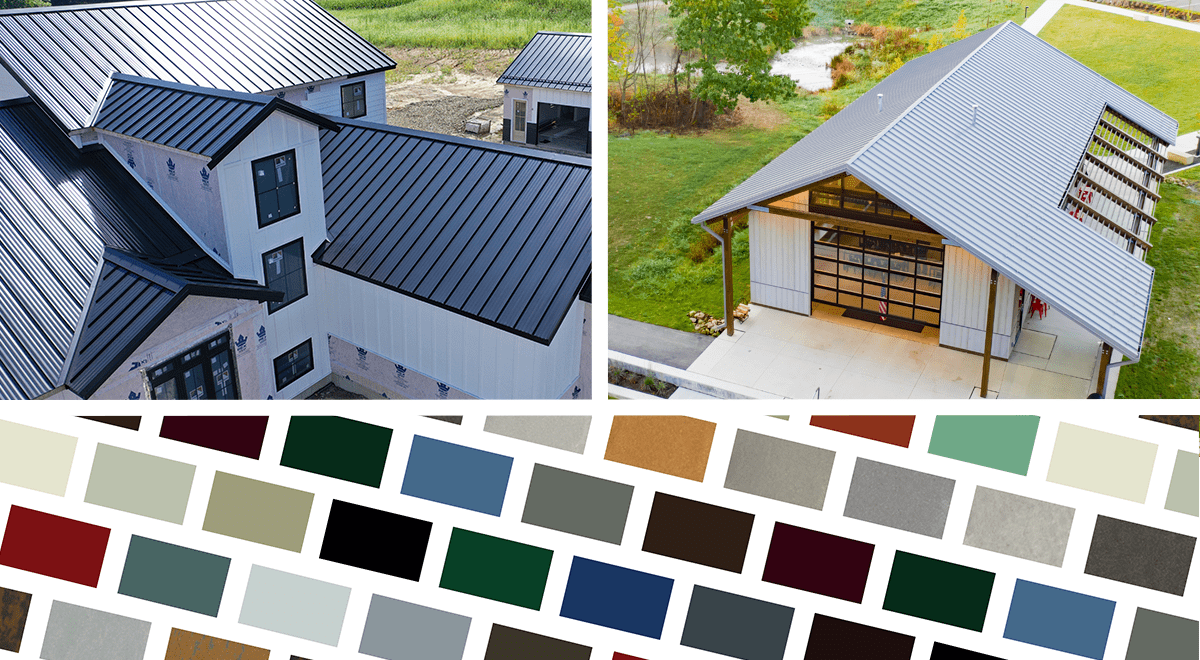
- Roofing Material – Metal roofs are lighter than shingles; tile is heaviest
- Span Width – Wider homes need longer and taller trusses
- Roof Pitch – A steep pitch increases truss height and structural load
Example Case:
A home in Colorado with heavy snow may use:
- 16” O.C. spacing
- 2×6 top chords
- 8/12 pitch truss
Meanwhile, a home in Florida may use:
- 24” O.C. spacing
- Wind-rated connectors
- Hurricane straps
4. Types of Roof Trusses and Their Dimensions
Different truss designs come with different sizes and spacing requirements.
Common Truss Types:
A. Fink Truss (Most Common in U.S. Homes)
- Used for standard houses
- Strong triangular webbing
- Span: 20–40 ft
B. King Post Truss
- Simple, low-cost
- Span: 16–28 ft
- Common on small houses or sheds
C. Howe Truss
- Heavy-duty, symmetrical
- Span: up to 50 ft
- Ideal for large suburban homes
D. Attic Truss
- Designed to create livable attic space
- Requires higher height
- Span: 24–40 ft
Infographic Style Comparison (Text-Based):
Fink Truss
- Budget-friendly
- Strong
– No attic space
Attic Truss
- Extra room
– Higher cost
– Taller height required
Howe Truss
- Great for wide spans
– Heavier lumber
5. Step-by-Step: How Truss Installers Determine Dimensions
Here’s how builders decide spacing and sizing:
1. Measure the Building Width
A 30-foot building typically needs trusses around 30–32 ft long.
2. Choose Roof Pitch
Example:
- A 6/12 pitch means the roof rises 6 inches per 12-inch run.
3. Establish Load Requirements
Snow, wind, and material weight determine lumber sizes.
4. Select Truss Type
For example, if attic space is required → Attic Truss.
5. Calculate Spacing
- Light load → 24” O.C.
- Heavy snow → 16” O.C.
6. Install Using Structural Hardware
Typical hardware includes:
- Metal truss plates
- Hurricane ties
- Joist hangers
7. Verify with Local Building Codes
Every U.S. state has specific rules for load requirements.
6. How Incorrect Truss Dimensions Can Affect a House
Improper spacing or sizing can cause serious issues.
Risks Include:
- Roof sagging
- Material failures
- Water pooling
- Leaks
- Structural collapse in extreme weather
Bathroom exhausts, HVAC systems, and vents also depend on proper truss layout for installation clearance.
7. Cost Impact of Roof Truss Dimensions
Spacing and sizing directly influence cost.
Cost Breakdown:
| Spacing | Material Cost | Labor Cost | Ideal Use |
|---|---|---|---|
| 24” O.C. | Lowest | Moderate | Standard homes |
| 16” O.C. | Higher | Higher | Snow or heavy loads |
| 12” O.C. | Very high | Very high | Specialty builds |
A typical home uses about 15–25 trusses depending on the footprint.
FAQ Section (H2)
Q1. What is the standard spacing for roof trusses in a house?
Most homes use 24 inches on center, though 16-inch spacing is common in heavy snow areas.
Q2. How long are roof trusses for a typical house?
They usually range between 24 and 40 feet, depending on the width of the home and roof design.
Q3. What size lumber is used for roof trusses?
Common sizes are:
- 2×4 for interior web members
- 2×6 or 2×8 for top and bottom chords
Q4. Can roof trusses support attic conversions?
Yes, but only attic trusses or room-in-attic trusses provide usable space.
Q5. Does truss spacing affect roof strength?
Absolutely. Closer spacing (16” O.C.) provides greater load capacity and stability.
Q6. Are roof trusses customizable?
Yes. Truss manufacturers design custom spans, pitches, and loads based on your building plans.
Conclusion
Understanding what dimensions are house roof trusses set in a house helps you choose the right spacing, truss type, and materials for a safe and long-lasting roof. Whether you’re building new or upgrading an old structure, knowing standard measurements makes planning easier and prevents costly errors.
If this guide helped you, please share it on your social media to help others working on home projects!
Leave a Reply