Many homeowners ask, “What do you call a sun roof in a house?”—especially when planning renovations or looking for ways to add more natural light indoors. The term can be confusing, especially because “sunroof” is typically associated with cars. In this guide, we’ll explain the correct terminology and help you understand everything about installing one in your home.
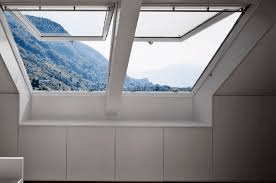
What Do You Call a Sun Roof in a House?
The correct term for a “sun roof” in a house is a skylight. Skylights are windows installed in the roof or ceiling to bring in natural light, improve ventilation, and enhance aesthetics. Some skylights can open, while others are fixed.
Read too: How Long Do Standing Seam Metal Roofs Last? A Comprehensive Guide to Durability and Longevity
In architectural design, you may also hear related terms like:
- Roof window
- Solar tube
- Daylighting window
- Light shaft
However, the universal, industry-accepted term is skylight.
Why Is It Called a Skylight and Not a Sunroof?
A sunroof is designed specifically for vehicles. It opens and closes using mechanical parts and is mounted on a car’s roof. In homes, the function differs—skylights are mainly for natural lighting and sometimes ventilation, not for outdoor exposure like a vehicle sunroof.
According to architectural definitions (source: Wikipedia), a skylight is a “window installed in a roof or ceiling for daylighting purposes.”
Types of Skylights (What Homeowners Should Know)
1. Fixed Skylight
A non-opening skylight that only provides natural light.
Best for: living rooms, hallways, attics.
2. Ventilated or Operable Skylight
This type can open manually or via an electric system.
Best for: kitchens, bathrooms, or anywhere moisture builds up.
3. Tubular Skylight (Solar Tube)
A small, tube-shaped skylight that channels daylight through a reflective tube.
Best for: closets, small rooms, corridors.
4. Roof Window
Larger than a standard skylight and often installed within reach, allowing full ventilation.
Best for: lofts, attics, upper-level bedrooms.
What Is the Purpose of a Skylight?
Skylights serve multiple purposes:
- Increase natural lighting
- Lower electricity usage
- Improve mood and productivity
- Provide fresh air (vented models)
- Enhance visual appeal
- Boost property value
A study from the National Renewable Energy Laboratory shows homes with strategic daylighting can reduce lighting energy consumption by up to 50%.
Benefits and Drawbacks of Skylights
Below is a simple comparison for clarity:
Pros vs. Cons
| Advantages | Disadvantages |
|---|---|
| Reduces energy use | Possible heat gain in summer |
| Enhances home aesthetics | Higher installation costs |
| Improves natural ventilation | Potential for leaks if poorly installed |
| Increases home value | May require blinds for light control |
| Brings in up to 5x more light | Needs periodic maintenance |
Where Should You Install a Skylight?
Choosing the right location is essential. Here’s guidance based on room type:
1. Living Room
Great for creating an open, bright ambiance.
2. Kitchen
Ventilated skylights help reduce steam, smells, and moisture.
3. Bathroom
Prevents mold buildup through natural airflow and light.
4. Hallway
Adds illumination to an otherwise dark space.
5. Attic or Loft
Improves habitability and reduces energy costs.
How Much Does a Skylight Cost?
Cost varies depending on size, type, and installation method.
Average Price Range:
- Basic fixed skylight: $150–$500
- Ventilated skylight: $400–$1,500
- Tubular skylight: $200–$700
- Roof window: $800–$2,500
Installation Costs:
- Typically $500–$2,000 depending on roof type and labor.
Homes with tile or metal roofs generally cost more due to the complexity of installation.
How to Install a Skylight (Step-by-Step Overview)
Installing a skylight must be done carefully to avoid leaks, structural issues, or energy inefficiency. Here’s the general process:
1. Choose the skylight type
Decide between fixed, vented, or tubular based on your lighting and ventilation needs.
2. Measure roof area
Select the ideal roof section that receives natural light throughout the day.
3. Mark the opening area
Use measuring tools and marking chalk to outline the skylight’s dimensions.
4. Cut the roof opening
A professional will remove shingles and cut through the roof deck.
5. Install the skylight frame
Ensure the frame is level and tightly sealed.
6. Apply flashing
Flashing prevents leaks and ensures proper drainage.
7. Install the skylight
Secure it using manufacturer-recommended screws and waterproof membrane.
8. Add interior finishing
This includes drywall, paint, trim molding, or light wells.
9. Test for leaks
Professionals may use water tests or daylight checks.
Skylight Shapes and Materials
Most common shapes:
- Rectangular
- Circular
- Pyramid
- Dome
- Polygon
Common materials:
- Glass (tempered or laminated) – best clarity and durability
- Acrylic – lighter but prone to scratching
- Polycarbonate – impact resistant and ideal for high-risk areas
How Long Do Skylights Last?
On average:
- Glass skylights: 20–35 years
- Acrylic skylights: 10–20 years
- Polycarbonate skylights: 15–25 years
Proper inspection every 1–2 years can significantly extend lifespan.
Skylight vs. Roof Window vs. Solar Tube
| Feature | Skylight | Roof Window | Solar Tube |
|---|---|---|---|
| Natural lighting | Excellent | Excellent | Moderate |
| Ventilation | Optional | Yes | No |
| Installation complexity | Moderate | High | Low |
| Best for | General rooms | Lofts/attics | Small spaces |
| Cost | Medium | High | Low |
Do Skylights Increase Home Value?
Yes. Real estate agents often highlight skylights as premium features. Homes with upgraded daylighting typically see a 1–3% increase in perceived value. They also appeal to eco-conscious buyers due to energy savings.
Can Skylights Cause Leaks?
Leaks can occur only if:
- Flashing is improperly installed
- The skylight seal fails due to aging
- The roof structure shifts
- Extreme weather damages the unit
Modern skylights include waterproof flashing kits designed to prevent these issues.
Maintenance Tips for Skylights
1. Inspect annually
Check for cracks and seal deterioration.
2. Clean glass every 6–12 months
Use mild soapy water; avoid harsh chemicals.
3. Clear debris from roof
Leaves or branches can block drainage.
4. Replace flashing when damaged
Proper flashing equals long-term protection.
5. Re-caulk edges when needed
Prevents moisture seepage and extends durability.
What to Consider Before Installing a Skylight
1. Roof Pitch
Most skylights need a minimum slope of 15°.
Flat roofs require special curb-mounted versions.
2. Sun Exposure
South-facing roofs give maximum light but may heat rooms excessively.
3. Room Function
Ventilated skylights work best for moisture-prone rooms.
4. Energy Efficiency
Choose Low-E glass for UV protection and energy savings.
FAQ (H2)
1. What do you call a sun roof in a house?
You call it a skylight. Skylights are windows located in the roof or ceiling to provide natural daylight and sometimes ventilation.
2. Are skylights expensive to install?
Typical installation ranges from $500–$2,000, depending on roof structure and skylight type. Premium brands or larger units may cost more.
3. Do skylights make a house hotter?
Yes, if installed without energy-efficient glass or blinds. Choosing Low-E glazing helps reduce heat transfer.
4. Can skylights be installed on flat roofs?
Yes, but they require curb-mounted frames to prevent water pooling and ensure proper drainage.
5. What is the difference between a skylight and a solar tube?
A skylight is a traditional roof window, while a solar tube is a small reflective tube that channels sunlight to a room. Solar tubes work well in tight spaces.
6. Do skylights need maintenance?
Yes. Regular cleaning, seal inspection, and flashing checks help prevent leaks and extend lifespan.
Conclusion
Now you know exactly what you call a sun roof in a house—a skylight. It’s a functional and beautiful upgrade that improves lighting, ventilation, and home value. If this article helped you understand skylights better, feel free to share it on your social media to help others researching the same topic.

Leave a Reply