If you’re searching “What do you call the house with tall peaked roof?” you’re likely trying to identify a specific architectural style you’ve seen—often tall, triangular, and classic-looking. Many homeowners and buyers love this roof design but aren’t sure what the official term is. This guide breaks everything down clearly so you know exactly what it’s called, why it’s popular, and whether it’s right for your home.
What Do You Call the House With Tall Peaked Roof?
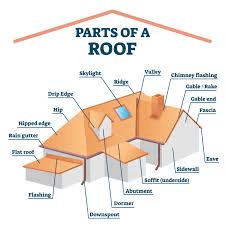
A house with a tall peaked roof is commonly called a Gable Roof House. The roof’s tall, triangular shape is known as a gable, and the home style itself is often referred to as a Gabled House or Steep-Pitch Roof House.
Depending on the architectural style, it may also be called:
- A-Frame House (when the roof extends close to the ground)
- Chalet-Style House (popular in snowy regions)
- Craftsman Gable Home
- Colonial Gable Home
These roof types typically have pitches ranging from 6/12 to 12/12, and in the case of A-Frame homes, even steeper.
Read too: How Long Do Standing Seam Metal Roofs Last? A Comprehensive Guide to Durability and Longevity
Why Are Tall Peaked Roofs So Common?
Tall peaked roofs are one of the oldest and most efficient architectural choices. Their steep angle helps shed snow and rain, avoid leaks, and create attic or loft space.
Historically, tall roofs emerged in northern climates due to heavy snow load requirements (source: Wikipedia). Today, they continue to be used in both traditional and modern homes because of their durability and aesthetics.
Different Types of Houses With Tall Peaked Roofs
1. Gable Roof House (Most Common)
The classic form of a peaked roof.
Features:
- Two sloping sides forming a triangle
- High pitch for easy drainage
- Excellent ventilation
- Classic American suburban look
Best for: Most climates, especially regions with heavy rain or snow.
2. A-Frame House
Known for its dramatic, steeply peaked roof that extends almost to the ground.
Characteristics:
- Roof pitch of 45° or more
- Large front glass windows
- Open loft spaces
- Minimal exterior walls
Popular in vacation homes, cabins, and snowy mountain regions.
3. Chalet-Style House
Inspired by Alpine architecture.
Key traits:
- Steep gable roof with extended overhangs
- Wooden exteriors
- Large balconies
- Designed to withstand snowstorms
4. Gothic Revival Home
Recognized by tall, steep, and pointed gables.
Notable features:
- Sharp Gothic peaks
- Decorative trim (gingerbread trim)
- Often used in historic American architecture
5. Dutch Gable Roof House
Combines hip and gable roof elements.
Benefits:
- Better wind resistance
- Larger attic space
- Eye-catching geometric look
How Does a Tall Peaked Roof Work?
The tall pitch creates a natural system for:
- Snow shedding – snow slides off easily
- Rain drainage – no pooling water
- Better attic airflow – reduces moisture buildup
- Increased interior space – perfect for lofts or vaulted ceilings
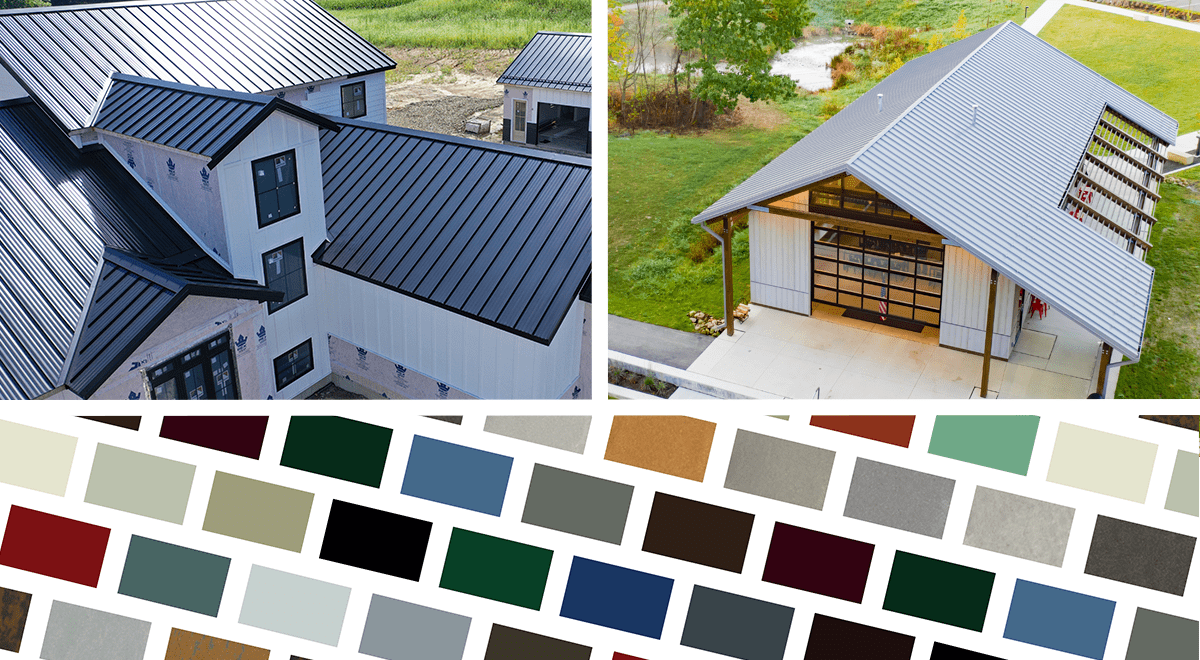
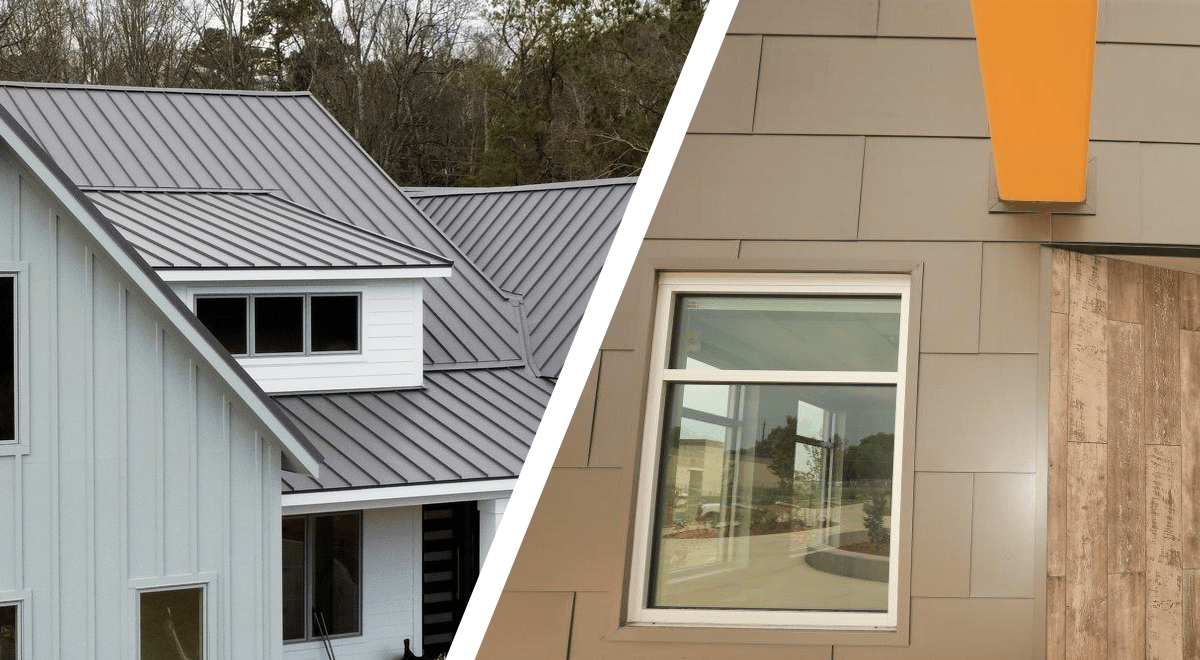
Most tall peaked roofs use materials like asphalt shingles, metal roofing, cedar shakes, or standing-seam steel.
Pros and Cons of Tall Peaked Roof Homes
Advantages vs. Disadvantages
| Advantages | Disadvantages |
|---|---|
| Excellent snow + rain resistance | Can be more expensive to build |
| Classic, timeless curb appeal | Not ideal for high-wind areas |
| Allows attic or loft space | Harder to access for maintenance |
| Great ventilation | Requires skilled installers |
| Works with many home styles | Roof repairs can cost more |
Why Do Some Homes Have Very Tall Roof Pitches?
Some homes—like A-Frame or Gothic Revival—feature extremely tall roof peaks.
This is often due to:
- Climate adaptation: shedding heavy snow
- Structural efficiency: steep angles help with load distribution
- Aesthetic design: creates dramatic silhouettes
- Interior design: allows cathedral ceilings and lofts
For example, mountain homes frequently use pitches of 12/12 or higher to manage snow weight.
Tall Peaked Roof vs. Flat Roof vs. Hip Roof
| Roof Type | Best For | Strengths | Weaknesses |
|---|---|---|---|
| Tall Peaked (Gable) | Snowy & rainy areas | Great drainage, attic space | Poor in strong winds |
| Flat Roof | Modern homes | Rooftop use, simple design | More maintenance |
| Hip Roof | Windy areas | Very stable | More expensive |
What Materials Are Best for Tall Peaked Roofs?
1. Asphalt Shingles
Affordable and durable
Lifespan: 15–30 years
2. Metal Roofing
Very lightweight and snow-shedding
Lifespan: 40–70 years
3. Wood Shakes or Shingles
Rustic, natural appearance
Lifespan: 20–40 years
4. Slate
Premium, extremely durable
Lifespan: 75–150 years
5. Architectural Composite Shingles
High-performance synthetic shingles
Lifespan: 30–50 years
How to Identify a Tall Peaked Roof House (Step-by-Step)
1. Look at the roofline
If the home forms a tall triangle from the side view, it’s a gable or steep-pitch design.
2. Check the roof pitch
Steep roofs typically have a pitch of 9/12 or higher.
3. Look for attic or loft space
Most tall roofs create interior vertical space.
4. Observe the overhangs
Chalet-style peaks have long roof overhangs.
5. Inspect the façade
A-Frame homes have minimal walls; the roof makes the primary structure.
How to Maintain a Tall Peaked Roof (Simple Guide)
1. Inspect yearly
Check shingles, flashing, and ridge vents.
2. Clean gutters every 6 months
Prevents water backup and fascia damage.
3. Remove debris after storms
Use a long-reach pole to avoid climbing.
4. Trim trees near the roof
Branches can cause punctures or moisture issues.
5. Schedule pro inspections
Do this every 2–3 years for steep roofs.
Signs Your Tall Peaked Roof Needs Repair
- Curling or missing shingles
- Interior water stains
- Leaks near attic or ceiling
- Damaged ridge vents
- Sagging roofline
- Moss or algae growth
Addressing problems early prevents costly structural repairs.
FAQ (H2)
1. What do you call the house with tall peaked roof?
It’s called a Gable Roof House, and depending on the style, it may also be known as an A-Frame House, Chalet-Style Home, or a Steep-Pitch Roof House.
2. Why are peaked roofs tall?
They are tall to efficiently shed snow and rain, create attic space, and improve airflow. Tall roofs are especially beneficial in cold or wet climates.
3. Which roof pitch is considered “tall”?
A roof is considered tall or steep when the pitch is 9/12 or greater. A-Frame homes can reach pitches of 12/12 to 20/12.
4. Are tall peaked roofs expensive to build?
Yes, they typically cost more due to extra materials, framing complexity, and specialized installation. However, they offer better durability and long-term value.
5. Can tall peaked roofs withstand strong winds?
Not always. Gable roofs can be vulnerable in hurricanes unless reinforced with braces, hurricane straps, and wind-resistant designs.
6. What is the best material for a steep roof?
Metal roofing is often recommended due to its snow-shedding ability, long lifespan, and lightweight structure.
Conclusion
Now you know exactly what you call the house with tall peaked roof—a Gable Roof House, with variations like A-Frame, Chalet, and Gothic Revival. These roofs offer durability, beauty, and functional advantages for many climates. If you found this guide helpful, feel free to share it on your social media so others can learn about these popular architectural styles too!
Leave a Reply