Noticing soft or springy spots on your roof can feel alarming—especially if you’re worried about hidden damage or expensive repairs. Many homeowners ask what does it mean when your house roof is spongy because a “soft roof” often points to moisture problems, structural deterioration, or aging materials. This guide breaks down the causes, warning signs, risks, and professional steps you should take to protect your home.
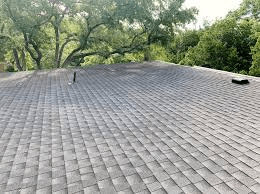
What Does It Mean When Your House Roof Is Spongy?
A spongy roof means that the roof decking—the wood layer beneath the shingles—has weakened due to moisture damage, rot, or structural deterioration. When the decking loses its strength, the roof feels soft, bouncy, or flexible under light pressure. This is a serious issue and should not be ignored, as it often signals underlying water intrusion.
Understanding the cause helps determine the right repair strategy, so let’s break down each possibility.
Read too: Hail Damage Roof Repair: Essential Guide to Restoring Your Home’s Protection
1. Moisture Damage (Most Common Cause)
Moisture is the leading cause behind a spongy roof. Roof decking is typically made from plywood or OSB (oriented strand board)—materials that weaken when repeatedly exposed to water.
How Moisture Gets In
- Damaged or missing shingles
- Worn-out underlayment
- Poor flashing around chimneys and vents
- Ice dams pushing water under shingles
- Improper ventilation trapping humidity
When moisture seeps into the decking, the wood absorbs water, swells, softens, and eventually loses its structural integrity.
Signs moisture is causing the softness
- Dark stains or discoloration
- Visible sagging areas
- Mold or mildew smell in the attic
- Water stains on ceiling
Real Data Point:
Studies from roofing inspectors show over 60% of spongy roof cases come from long-term seepage under failed shingles.
2. Rotting Roof Decking (Wood Decay)
When moisture exposure continues for weeks or months, the wood begins to rot. As decay progresses, the roof surface becomes noticeably spongy.
Types of Wood Rot
- Dry Rot: Caused by fungi that thrive in poor ventilation
- Wet Rot: Caused by continuous, heavy moisture
- Brown Rot: Wood shrinks and breaks into cube-like pieces
How to Recognize Wood Rot
- Mushy or crumbly wood fibers
- Musty odor
- Dark or yellowish patches
- Visible mold growth
Why Rot Spreads Quickly
Roof decking is load-bearing. When one area weakens, surrounding sections begin to flex, leading to more structural stress.
3. Damaged or Worn Shingles Allowing Water Intrusion
Old shingles lose their protective granules and crack, allowing water to bypass the roof’s outer layer.
Shingle Issues That Cause Soft Spots
- Curling
- Cracking
- Bald spots
- Missing shingles
- Storm or hail impact damage
Infographic Style: Shingle Condition vs. Risk Level
- Healthy shingles → Low risk
- Minor granule loss → Medium risk
- Cracked or missing shingles → High risk of spongy decking
Aged shingles (15–25 years old) are especially common culprits.
4. Poor Attic Ventilation
Good ventilation allows hot, moist air to escape. Without it, humidity builds up inside the attic and slowly weakens the decking from the underside.
Signs of Ventilation Issues
- Warm attic in winter
- Ice dams forming on roof edges
- Condensation on nails or rafters
- Mold spots on insulation
Fixing Ventilation Problems
- Add ridge vents
- Install soffit vents
- Clear blocked airflow paths
- Ensure insulation is not obstructing vents
Proper airflow helps protect wood from moisture-related decay.
5. Mold or Mildew Growth
Mold thrives in damp environments and further weakens wood fibers.
Indicators
- Black, green, or white fuzzy spots
- Strong musty odor
- Soft, flexible decking underfoot
Why It Matters
Mold does not just damage the roof—it can affect indoor air quality and trigger allergy symptoms.
6. Aging Roof Structure
A spongy roof can simply be the result of age. Most roofs last 20–30 years, depending on materials and climate.
Age-Related Weakness Includes
- Brittle shingles
- Degraded underlayment
- Weak or delaminated plywood
Once a roof is past its lifespan, it becomes more vulnerable to soft spots.
7. Termite or Pest Damage
While less common, pests can damage wooden decking.
Signs of Pest Damage
- Hollow-sounding wood
- Tunnels under shingles
- Sawdust-like debris
Once pests invade, they can compromise wooden structures quickly.
How to Inspect a Spongy Roof Safely
A soft roof is dangerous to walk on, so inspection must be done carefully.
Step-by-Step Safe Inspection
- Do not walk directly on soft spots.
- Examine the area visually from a ladder.
- Look for depressions, sagging, or discoloration.
- Check the attic underneath the affected area.
- Use a moisture meter if available.
- Photograph damage for reference or insurance.
Always prioritize safety—roof collapses from rotten decking, while rare, can happen.
Is a Spongy Roof Dangerous?
Yes. A soft roof means structural material is compromised.
Risks of Ignoring the Problem
- Roof leaks
- Mold growth
- Ceiling water damage
- Structural collapse in severe cases
- Increased repair costs
- Higher energy bills due to insulation damage
Expert Insight:
According to building safety studies, weakened roof decking can reduce structural load capacity by 50% or more.
How to Fix a Spongy Roof (Full Repair Guide)
Fixing a spongy roof depends on the cause. Here’s a simplified process used by roofing professionals.
1. Remove Damaged Shingles (If Localized Damage)
Steps
- Use a pry bar to lift the shingle tabs gently.
- Remove nails using a claw hammer.
- Take off surrounding shingles for a clean working area.
2. Cut Out the Rotten Decking
Steps
- Mark damaged area with chalk.
- Use a circular saw to cut a square/rectangular section.
- Remove the rotten decking carefully.
- Inspect rafters and replace if necessary.
Important:
Replace wood only when completely dry.
3. Install New Decking
Steps
- Use ½-inch or ⅝-inch plywood/OSB.
- Cut to fit the opening precisely.
- Secure with deck screws spaced 6–8 inches apart.
- Seal seams with roofing underlayment.
4. Reinstall Underlayment and Shingles
Steps
- Apply waterproof underlayment (ice barrier if cold climate).
- Nail new shingles in place.
- Seal edges with roofing cement.
5. Address Root Causes
Depending on the original problem:
- Fix ventilation
- Replace broken flashing
- Upgrade shingles
- Add gutter extensions
- Repair attic insulation
Comparison Table: Minor vs. Major Roof Softening
| Condition | Cause | Repair Type | Cost Estimate |
|---|---|---|---|
| Small localized soft spot | Minor leak | Patch decking & shingles | $150–$400 |
| Multiple soft areas | Long-term moisture | Decking replacement | $800–$2,000 |
| Large sagging section | Structural rot | Major repair | $2,000–$6,000 |
| Entire roof spongy | Full system failure | Full roof replacement | $7,000–$15,000+ |
People Also Ask (Addressed in H2 Sections)
Topics covered include roof softening causes, repair costs, safety, mold, and decking issues.
FAQ Section
1. Is a spongy roof always a sign of rot?
Not always. While rot is common, moisture saturation, aging materials, or poor ventilation can also cause wood to soften without visible decay yet.
2. Can a roof be repaired without full replacement?
Yes. If the damage is localized, contractors can replace sections of decking. Full replacement is needed only if large areas are compromised.
3. How long does a spongy roof repair take?
Small repairs take 2–4 hours. Larger structural repairs may take 1–3 days.
4. Can I walk on a soft roof safely?
No. Walking on spongy areas risks falling through. Always inspect from a ladder or hire a professional.
5. Does homeowner’s insurance cover roof rot?
Insurance typically covers sudden damage (storm, hail, fallen tree) but not long-term neglect or wear.
6. How can I prevent my roof from getting spongy?
- Maintain shingles
- Clean gutters
- Improve attic ventilation
- Fix flashing leaks
- Inspect annually
Conclusion
A spongy roof is a serious warning sign that your home has moisture, structural, or ventilation issues. Knowing what does it mean when your house roof is spongy helps you act quickly before the damage spreads. Addressing the problem early can save thousands of dollars and protect your home’s safety. If this guide helped you, feel free to share it on your social media so others can understand and fix roof soft spots before they get worse.
Leave a Reply