Building or upgrading a forge house comes with unique challenges—especially when it comes to roofing. Many people ask what is the best roofing material for a forge house because standard residential roofs are often unsafe around extreme heat, sparks, and smoke. This guide will help you choose the safest, most durable, and most cost-effective roofing material for a forge environment.
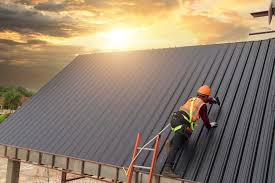
Why Roofing Material Matters So Much for a Forge House
A forge house is not a typical residential structure. It produces:
- Extremely high heat
- Flying sparks and embers
- Smoke and hot exhaust gases
- Rapid temperature fluctuations
Choosing the wrong roof material can lead to fire hazards, premature roof failure, or structural damage.
According to fire safety principles discussed on Wikipedia, materials exposed to continuous heat must have high fire-resistance ratings to prevent ignition and structural collapse.
Read too: How Long Do Standing Seam Metal Roofs Last? A Comprehensive Guide to Durability and Longevity
Key Requirements for Forge House Roofing
Before selecting a material, it’s important to understand what a forge roof must handle.
Essential Roofing Requirements
- Fire resistance (non-combustible)
- Heat tolerance (no warping or melting)
- Durability under thermal expansion
- Ventilation compatibility
- Low maintenance
- Code compliance
Any roofing material that fails one of these criteria should be avoided.
What Is The Best Roofing Material For A Forge House? (Quick Answer)
For most forge houses, the best roofing material is metal roofing, specifically:
- Galvanized steel
- Standing seam metal
- Corrugated steel panels
These materials offer the best balance of fire resistance, durability, cost, and availability.
Top Roofing Materials for a Forge House (Detailed Comparison)
1. Metal Roofing (Best Overall Choice)
Metal roofing is widely regarded as the best roofing material for a forge house.
Why Metal Roofing Works
- Non-combustible (Class A fire rating)
- Withstands high radiant heat
- Sparks bounce off instead of igniting
- Long lifespan (40–70 years)
Best Metal Types for Forge Roofs
- Galvanized steel
- Galvalume steel
- Standing seam steel
💡 Metal roofs are commonly used in industrial workshops and blacksmith forges due to their proven fire safety.
2. Concrete Roofing (Extremely Fire Resistant)
Concrete roofs provide excellent fire resistance, but they come with trade-offs.
Pros
- Non-combustible
- Extremely durable
- Excellent thermal mass
Cons
- Very heavy (requires reinforced structure)
- Higher construction cost
- Limited ventilation options
Best for: Permanent, industrial-scale forge buildings.
3. Clay or Ceramic Tiles (Fire Safe but Fragile)
Clay tiles are naturally fireproof, but not always ideal for forge houses.
Pros
- Excellent fire resistance
- Long lifespan
- Traditional appearance
Cons
- Can crack under thermal shock
- Heavy structure required
- Expensive repairs
⚠️ Clay tiles are fire safe, but not ideal for intense forge heat.
4. Fiber Cement Roofing
Fiber cement panels are a moderate alternative for small forges.
Pros
- Fire resistant
- Affordable
- Widely available
Cons
- Brittle over time
- Can degrade with constant heat
- Shorter lifespan than metal
Roofing Materials You Should NEVER Use for a Forge House
❌ Asphalt shingles – combustible
❌ Wood shingles or shakes – extreme fire hazard
❌ Plastic or PVC panels – melt and emit toxic fumes
❌ Thatch or organic materials – highly flammable
These materials pose serious fire and safety risks in forge environments.
Roofing Material Comparison Table for Forge Houses
| Material | Fire Resistance | Heat Tolerance | Lifespan | Recommendation |
|---|---|---|---|---|
| Metal (Steel) | Excellent | Excellent | 40–70 yrs | ⭐⭐⭐⭐⭐ |
| Concrete | Excellent | Excellent | 50+ yrs | ⭐⭐⭐⭐ |
| Clay Tile | Excellent | Moderate | 40–60 yrs | ⭐⭐⭐ |
| Fiber Cement | Good | Moderate | 25–40 yrs | ⭐⭐⭐ |
| Asphalt | Poor | Poor | 15–25 yrs | ❌ |
How Roof Design Affects Safety in a Forge House
Material alone is not enough—design matters.
Critical Design Features
- Steep pitch for heat and smoke escape
- Ridge vents or chimney vents
- Spark arrestors
- Non-combustible underlayment
A metal roof paired with poor ventilation is still dangerous.
Best Roof Pitch for Forge Houses
A steeper roof helps heat escape efficiently.
Recommended Pitch
- Minimum: 5:12
- Ideal: 6:12 to 8:12
Steeper pitch:
- Improves airflow
- Reduces heat buildup
- Prevents spark accumulation
Step-by-Step: Choosing the Best Roofing Material for Your Forge House
Step 1: Assess Forge Type
Gas forge, coal forge, or charcoal forge produce different heat levels.
Step 2: Check Local Fire Codes
Some areas require Class A fire-rated roofs.
Step 3: Choose Non-Combustible Material
Metal or concrete should be your first choice.
Step 4: Plan Ventilation
Install ridge vents or a dedicated flue system.
Step 5: Budget for Long-Term Safety
Fire-safe roofs cost more upfront but prevent disasters.
Real-World Insight: Why Blacksmiths Prefer Metal Roofs
Professional blacksmith workshops overwhelmingly use steel roofing because:
- It resists accidental spark fires
- It tolerates constant heat cycles
- It allows easy installation of vents and exhaust stacks
Industry experience shows metal roofs reduce forge-related fire incidents by a significant margin.
Pros and Cons of Metal Roofing for Forge Houses
Advantages
- ✔ Fireproof
- ✔ Durable
- ✔ Easy to maintain
- ✔ Excellent ventilation compatibility
Disadvantages
- ✖ Noisy during rain (can be insulated)
- ✖ Higher upfront cost than shingles
Maintenance Tips for Forge House Roofing
- Inspect roof every 6 months
- Remove accumulated soot or debris
- Check fasteners for heat expansion
- Ensure vents remain unobstructed
Proper maintenance extends roof life dramatically.
FAQ: What Is The Best Roofing Material For A Forge House
Q1: Is metal roofing safe for a blacksmith forge?
Yes. Metal roofing is non-combustible and widely used in professional forge workshops.
Q2: Can I use asphalt shingles on a forge house?
No. Asphalt shingles are flammable and unsafe for forge environments.
Q3: What metal roof thickness is best for a forge house?
Gauge 24–26 steel is ideal for durability and heat resistance.
Q4: Does a forge roof need special ventilation?
Absolutely. Proper ventilation is critical for heat, smoke, and safety.
Q5: How long does a metal roof last on a forge house?
With proper installation, 40–70 years or more.
Conclusion
So, what is the best roofing material for a forge house? For most situations, metal roofing—especially galvanized or standing seam steel—is the safest, most durable, and most practical choice. When paired with proper roof pitch and ventilation, it provides long-term protection against fire, heat, and structural damage.
If this guide helped you, share it on social media to help builders and blacksmiths create safer forge spaces 🔥🏗️
Leave a Reply