If you’re planning to build, buy, or renovate an A-frame house, one of the first technical questions you’ll face is what is the roof pitch of a standard A-frame house. Roof pitch isn’t just a design choice—it affects snow shedding, structural strength, interior space, and long-term maintenance. Understanding standard A-frame roof pitch helps you make smarter design and budget decisions.
What Is The Roof Pitch Of A Standard A-Frame House?
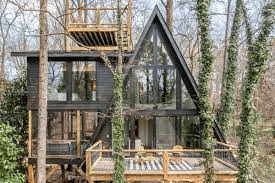
The roof pitch of a standard A-frame house typically ranges from 12:12 to 18:12, with 12:12 (45 degrees) being the most common and widely accepted standard.
Read too: Is It Reasonable to Ask the Seller to Replace the Roof?
What These Numbers Mean
- 12:12 pitch = the roof rises 12 inches for every 12 inches of horizontal run
- This equals a 45-degree angle
- Many traditional A-frame cabins fall between 55–60 degrees (around 18:12)
In practical terms, A-frame roofs are much steeper than conventional residential roofs, which usually range from 4:12 to 9:12.
Why Are A-Frame Roofs So Steep?
The steep roof pitch is the defining feature of an A-frame house.
Core Reasons for the Steep Pitch
- Structural simplicity: Roof and walls are the same element
- Snow and rain shedding: Gravity clears precipitation quickly
- Wind resistance: Sloped surfaces reduce uplift forces
- Material efficiency: Fewer exterior walls
This design originated in cold and mountainous regions where snow loads were a major concern.
Standard Roof Pitch Ranges for A-Frame Houses
While designs vary, most A-frame homes fall into predictable pitch categories.
| Roof Pitch Ratio | Angle (Approx.) | Common Use |
|---|---|---|
| 12:12 | 45° | Standard residential A-frame |
| 14:12 | 49° | Snow-prone regions |
| 16:12 | 53° | Cabins & chalets |
| 18:12 | 56–60° | Classic alpine A-frame |
👉 12:12 remains the “standard” because it balances interior usability and weather performance.
How Roof Pitch Affects Interior Space
A frequent concern among homeowners is how steep roofs impact livable space.
Interior Implications of A-Frame Roof Pitch
- Steeper pitch = less vertical wall space
- Furniture placement becomes more limited
- Lofts are common to maximize usable area
- Ceiling height increases dramatically at the center
Architects often recommend 12:12 to 14:12 for first-time A-frame builders to avoid overly tight interiors.
Is There a Minimum Roof Pitch for an A-Frame House?
Technically, an A-frame could be built with a lower pitch—but it stops functioning as a true A-frame.
Practical Minimum Pitch
- Below 10:12, the structure behaves more like a standard gable roof
- Snow and water drainage become less effective
- Structural loads increase on walls
That’s why most builders consider 12:12 the minimum acceptable pitch for a genuine A-frame house.
Roof Pitch and Climate: Why Location Matters
Climate plays a major role in determining the ideal roof pitch.
Cold & Snowy Regions
- Recommended pitch: 14:12 to 18:12
- Prevents snow accumulation
- Reduces roof collapse risk
Rainy Regions
- Recommended pitch: 12:12 or higher
- Improves drainage
- Reduces leak potential
Windy Coastal Areas
- Steep slopes reduce wind pressure
- Proper fastening is essential
A-frame homes are popular in regions where climate demands aggressive water and snow shedding.
Roofing Materials That Work Best With Steep A-Frame Roofs
Not all roofing materials are suitable for extreme pitches.
Best Roofing Options
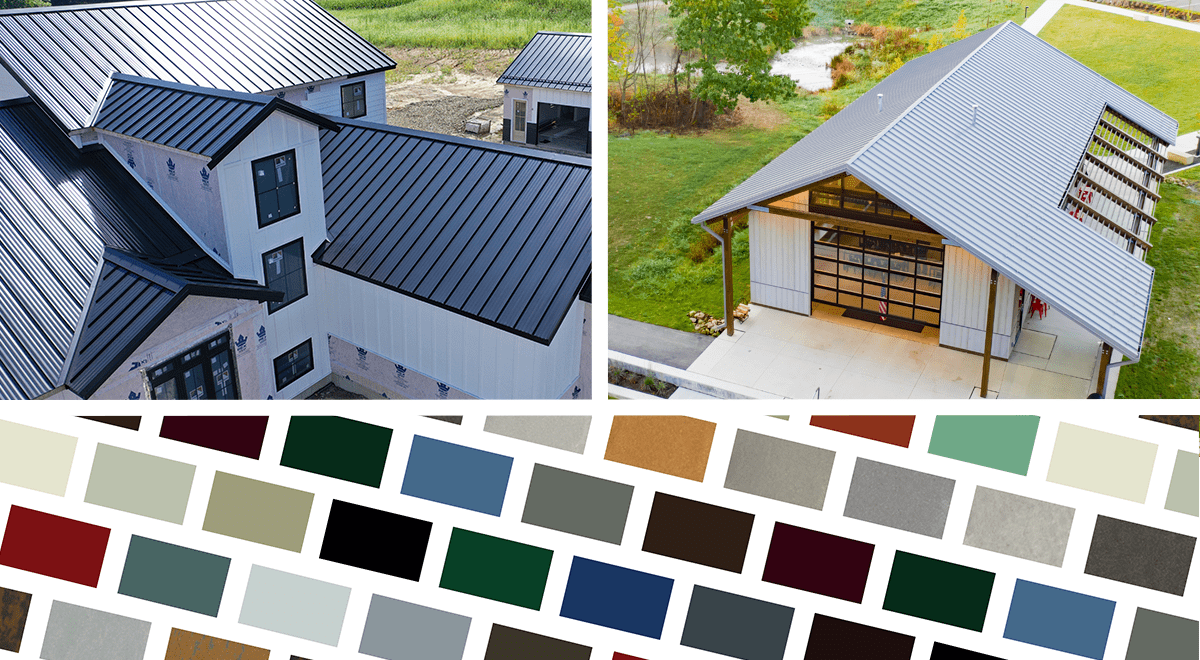
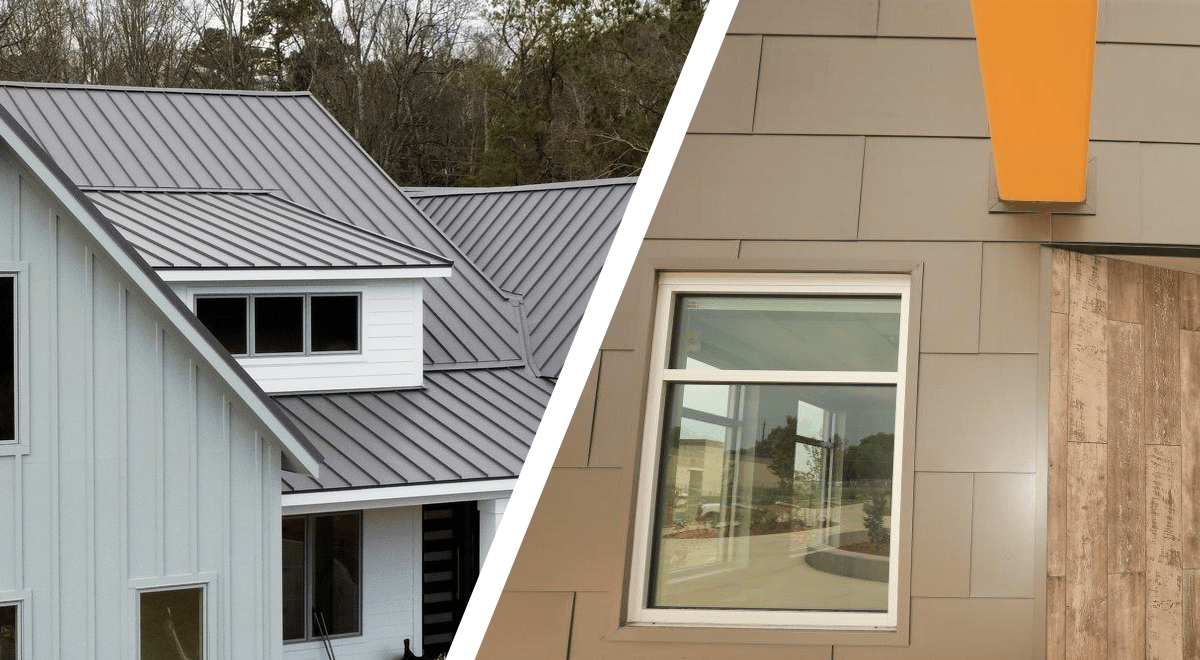
- Metal panels (standing seam or corrugated)
- Architectural asphalt shingles (rated for steep slopes)
- Wood shakes (traditional cabins)
Materials to Avoid
- Clay tiles (too heavy)
- Flat-roof membranes
- Low-slope shingles
Metal roofing is often preferred because it performs exceptionally well on 12:12+ pitches.
Construction Cost Impact of A-Frame Roof Pitch
Steeper roofs affect both material and labor costs.
Cost Factors
- More roofing material per square foot of floor area
- Specialized safety equipment for installers
- Longer installation time
On average, roofing an A-frame can cost 10–25% more than roofing a standard gable house of the same size.
How Builders Calculate Roof Pitch for an A-Frame
Roof pitch is calculated during the design phase using simple geometry.
Step-by-Step Example
- Determine total house width (e.g., 24 feet)
- Divide by two = 12 feet run
- Choose pitch ratio (e.g., 12:12)
- Vertical rise = 12 feet
- Roof angle ≈ 45°
This calculation determines both the roof slope and interior ceiling height.
Pros and Cons of a Steep A-Frame Roof Pitch
Advantages
- Excellent snow and rain shedding
- Strong structural integrity
- Iconic architectural style
- Reduced exterior wall maintenance
Disadvantages
- Limited wall space inside
- Higher roofing costs
- More challenging maintenance access
This trade-off is central when deciding if an A-frame design suits your lifestyle.
A-Frame Roof Pitch vs Traditional Roof Pitch
| Feature | A-Frame Roof | Traditional Gable |
|---|---|---|
| Typical Pitch | 12:12–18:12 | 4:12–9:12 |
| Snow Performance | Excellent | Moderate |
| Interior Walls | Sloped | Vertical |
| Visual Impact | Dramatic | Conventional |
| Build Complexity | Moderate | Low |
Building Code Considerations
Most U.S. building codes do not limit maximum roof pitch, but they regulate:
- Snow load capacity
- Wind resistance
- Structural connections
As long as engineering standards are met, steep A-frame roofs are fully code-compliant.
For general architectural background on roof structures and angles, you can reference:
https://en.wikipedia.org/wiki/Roof
(This source is provided strictly for educational context.)
FAQ: What Is The Roof Pitch Of A Standard A-Frame House?
Frequently Asked Questions
Q1: What is the standard roof pitch for an A-frame house?
A: The most common standard is 12:12, which equals a 45-degree angle.
Q2: Can an A-frame house have a lower roof pitch?
A: It can, but below 10:12 it no longer functions as a true A-frame.
Q3: Why do A-frame houses have such steep roofs?
A: To shed snow and rain efficiently and simplify structural design.
Q4: Is a steeper A-frame roof more expensive?
A: Yes. Expect 10–25% higher roofing costs due to materials and labor.
Q5: What roof pitch is best for snowy climates?
A: 14:12 to 18:12 is ideal for heavy snow regions.
Conclusion: The Ideal Pitch Defines the A-Frame
So, what is the roof pitch of a standard A-frame house? In most cases, it’s 12:12, with steeper variations used for snow-heavy or alpine environments. This steep pitch is not just an aesthetic choice—it’s the foundation of the A-frame’s strength, durability, and iconic design.
If this guide helped you better understand A-frame roof design, share it on social media to help others planning their dream cabin or home.
Leave a Reply