If you own, plan to buy, or are renovating a ranch-style home, you may wonder what is the slope pitch roof typical ranch style house. Roof pitch affects drainage, material choice, cost, energy efficiency, and even curb appeal. Understanding the standard slope used on ranch homes helps homeowners make better decisions when repairing or replacing a roof.
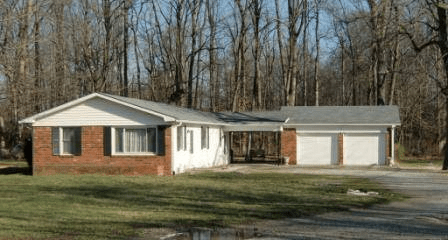
What Is The Slope Pitch Roof Typical Ranch Style House?
The typical roof slope pitch of a ranch-style house usually falls between 3:12 and 6:12, with 4:12 being the most common standard.
What This Means in Simple Terms
- 4:12 pitch: the roof rises 4 inches for every 12 inches of horizontal run
- This equals an angle of about 18.4 degrees
- It is considered a low to moderate slope roof
Read too: Is It Reasonable to Ask the Seller to Replace the Roof?
This shallow pitch is one of the defining features of traditional American ranch-style architecture.
Why Ranch Houses Use Low-Slope Roofs
Ranch-style homes became popular in the U.S. from the 1940s through the 1970s. Their roof design reflects practicality, cost-efficiency, and simplicity.
Key Reasons for the Low Roof Pitch
- Emphasis on horizontal lines and single-story layouts
- Faster and cheaper construction
- Easy access for maintenance
- Better integration with wide, open floor plans
The low slope contributes to the long, ground-hugging appearance ranch homes are known for.
Typical Roof Pitch Ranges for Ranch Homes
While 4:12 is most common, variations exist depending on region and era.
| Roof Pitch | Angle (Approx.) | Common Use |
|---|---|---|
| 3:12 | 14° | Warm, dry climates |
| 4:12 | 18° | Standard ranch homes |
| 5:12 | 23° | Transitional ranch designs |
| 6:12 | 26° | Updated or modern ranch homes |
👉 Most classic ranch houses fall squarely in the 4:12 range.
How Roof Pitch Affects Ranch-Style Home Performance
The roof slope plays a major role in how the house performs over time.
Drainage and Water Control
- Low slopes handle rain well when properly installed
- Snow shedding is slower than steep roofs
- Requires quality underlayment and flashing
Energy Efficiency
- Lower attic volume reduces heat loss
- Works well with modern insulation
- Easier to ventilate evenly
Maintenance
- Safer and easier to walk on
- Lower labor costs for repairs
Is a Ranch Roof Considered Low-Slope?
Yes—but not flat.
Roof Slope Classifications
- Flat roof: 0:12–1:12
- Low-slope roof: 2:12–4:12
- Conventional slope: 4:12–9:12
Most ranch homes sit at the upper end of low-slope or the lower end of conventional slope, making them versatile for many roofing materials.
Roofing Materials Best Suited for Ranch-Style Roof Pitches
Because ranch roofs are relatively shallow, material choice matters.
Best Roofing Options
- Asphalt shingles (most common)
- Architectural shingles (better wind resistance)
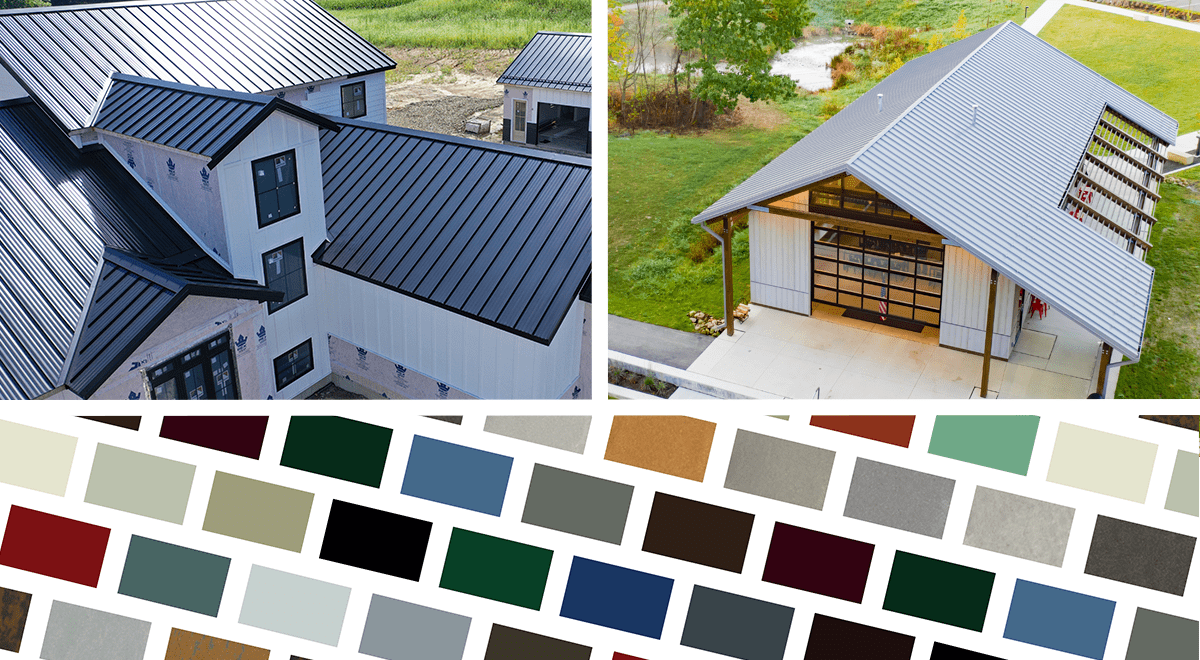
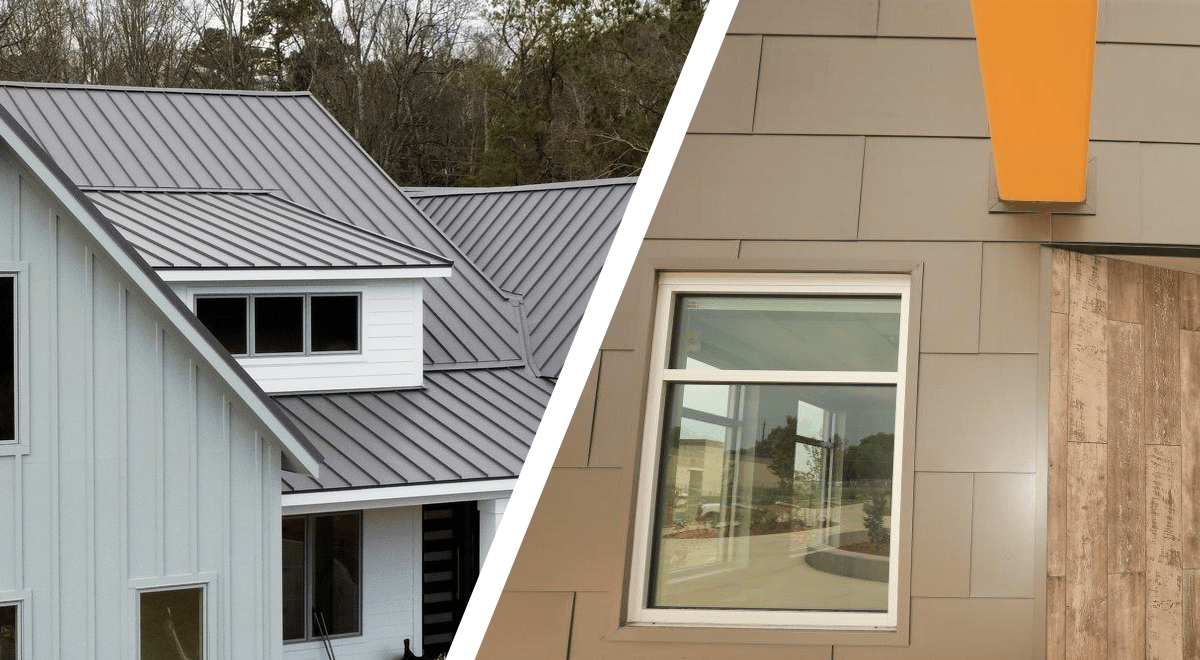
- Standing seam metal roofing
- Modified bitumen (for very low slopes)
Materials to Avoid
- Clay tiles (require steeper pitch)
- Slate (heavy and pitch-sensitive)
Asphalt shingles dominate ranch homes because they perform well on 3:12–6:12 slopes.
Ranch Roof Pitch vs Other Home Styles
Understanding the difference helps clarify why ranch roofs look and perform the way they do.
| Home Style | Typical Roof Pitch |
|---|---|
| Ranch Style | 3:12–6:12 |
| Cape Cod | 8:12–12:12 |
| Colonial | 6:12–9:12 |
| A-Frame | 12:12–18:12 |
| Modern Flat Roof | 1:12–2:12 |
The ranch house roof is intentionally less steep than most traditional styles.
Cost Impact of Roof Pitch on Ranch Homes
One advantage of the typical ranch roof slope is affordability.
Cost Benefits
- Less roofing material needed
- Faster installation time
- Reduced labor risk
- Lower long-term maintenance costs
On average, roofing a ranch-style home costs 10–20% less than roofing a steep-pitched house of similar size.
Climate Considerations for Ranch Roof Pitch
Climate plays a big role in how well a low-slope roof performs.
Dry & Warm Climates
- Low slopes perform very well
- Minimal snow load concerns
Rainy Regions
- Proper drainage design is critical
- Ice-and-water shields recommended
Snowy Areas
- Slightly steeper pitches (5:12–6:12) are preferred
- Snow retention systems may be used
Many ranch homes in northern states use 6:12 pitches to better manage snow.
How Builders Calculate Roof Pitch on a Ranch House
Roof pitch is determined early in the design process.
Step-by-Step Example
- Measure roof run (12 inches standard reference)
- Measure vertical rise (e.g., 4 inches)
- Express as a ratio: 4:12
- Confirm material compatibility
- Design ventilation and drainage
This pitch determines truss design, attic space, and roofing system requirements.
Pros and Cons of Typical Ranch House Roof Pitch
Advantages
- Lower construction and repair costs
- Easier access for maintenance
- Clean, timeless appearance
- Efficient use of materials
Disadvantages
- Slower snow shedding
- Limited attic height
- Greater reliance on waterproofing quality
Overall, the benefits align well with the ranch style’s original purpose: simple, affordable, and practical living.
Common Mistakes Homeowners Make with Ranch Roofs
Avoid these issues to protect your investment:
- Using materials not rated for low slopes
- Ignoring proper attic ventilation
- Poor flashing installation
- Skipping ice-and-water barriers
Low-slope roofs demand precision, even if they look simple.
Building Codes and Ranch Roof Pitch
Most U.S. building codes allow ranch-style roof pitches as low as 3:12, provided:
- Approved underlayment is used
- Roofing materials are slope-rated
- Drainage is properly designed
For general background on roof structures and pitch concepts, see:
https://en.wikipedia.org/wiki/Roof
(This link is included for general educational reference only.)
FAQ: What Is The Slope Pitch Roof Typical Ranch Style House?
Frequently Asked Questions
Q1: What is the most common roof pitch for a ranch-style house?
A: 4:12 is the most typical and widely used pitch.
Q2: Is a ranch house roof considered low slope?
A: Yes. Most ranch roofs fall in the low to moderate slope range.
Q3: Can a ranch house have a steeper roof?
A: Yes, especially modern ranch designs, but it changes the classic look.
Q4: What roofing material works best on ranch roofs?
A: Asphalt shingles are the most popular and cost-effective choice.
Q5: Does roof pitch affect ranch house value?
A: Indirectly. Proper pitch improves durability, which supports long-term value.
Conclusion: The Practical Pitch Behind Ranch-Style Homes
So, what is the slope pitch roof typical ranch style house? In most cases, it’s 4:12, with variations between 3:12 and 6:12 depending on climate and design era. This low-to-moderate slope is a defining feature of ranch homes, offering affordability, ease of maintenance, and timeless appeal.
If this guide helped clarify ranch roof design for you, share it on social media so other homeowners can make confident roofing decisions too.

Leave a Reply