When building or renovating a home, many homeowners and contractors ask, “Whats the ICC code for setting standard house roof trusses?” Understanding the proper code ensures that your roof is safe, durable, and compliant with U.S. building regulations. In this guide, we’ll explain the relevant ICC code, installation requirements, and tips for setting trusses properly.
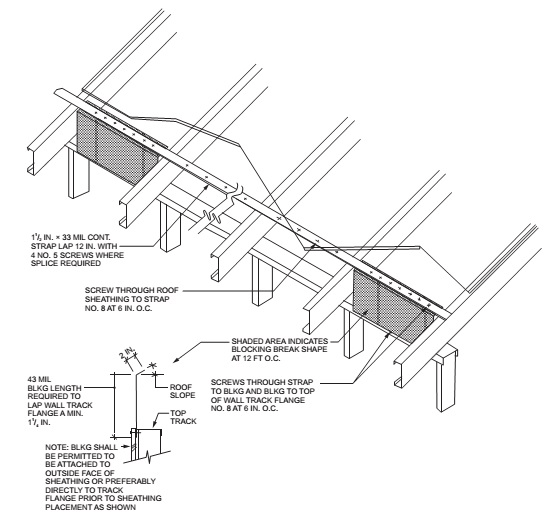
What Is The ICC Code For Standard House Roof Trusses?
The International Code Council (ICC) sets the standards for building safety in the United States, including roof trusses. The primary code relevant to roof trusses is the International Residential Code (IRC), Chapter 8 – Roof-Ceiling Construction.
Read too: Hail Damage Roof Repair: Essential Guide to Restoring Your Home’s Protection
Key points include:
- IRC Section R802: Covers roof framing requirements.
- R802.10: Specifically addresses truss design, bracing, and installation.
- Manufacturer Specifications: ICC allows trusses installed according to engineered drawings and manufacturer guidelines to comply with safety standards.
According to Wikipedia Roofing, using proper codes ensures trusses are correctly braced, preventing structural failures and increasing roof lifespan.
Key Requirements For Setting Standard Roof Trusses
- Truss Design Compliance
- All trusses must be engineered and stamped by a licensed engineer.
- Must meet load requirements for snow, wind, and seismic activity in your area.
- Proper Bracing and Temporary Supports
- Trusses must be temporarily braced during installation.
- Diagonal and lateral bracing is essential before roof decking is applied.
- Spacing and Alignment
- Standard spacing is usually 24 inches on center, unless specified differently by manufacturer or engineer.
- Ensure level and plumb alignment for all trusses.
- Connection to Top Plates
- Use approved metal connector plates or hurricane ties to secure trusses to wall top plates.
Step-By-Step Guide To Setting House Roof Trusses
Step 1: Site Preparation
- Ensure walls are level and properly aligned.
- Check that top plates are secured and double-checked for squareness.
Step 2: Inspect Trusses
- Verify trusses against manufacturer’s drawings.
- Check for damage or warping before lifting.
Step 3: Temporary Bracing
- Install bottom chord bracing on every third truss as a starter.
- Use diagonal braces to hold trusses plumb during installation.
Step 4: Lifting and Placement
- Use cranes or hoists for heavy trusses.
- Position each truss on top plates according to spacing requirements (commonly 24 inches OC).
Step 5: Permanent Bracing
- Install continuous lateral bracing along top chords.
- Secure all connections with metal plates, straps, or nails per ICC-approved methods.
Step 6: Verify Alignment
- Check level, plumb, and spacing one more time before adding decking.
Common Materials and Tools For Roof Trusses
| Component | Material Options | Purpose |
|---|---|---|
| Truss Chords | Wood, engineered lumber | Main structural support |
| Web Members | Wood, metal plates | Distribute loads |
| Metal Plates | Galvanized steel | Secure joints |
| Temporary Bracing | 2×4 lumber | Prevent truss collapse during installation |
Using proper materials ensures compliance with ICC standards and enhances safety for workers and homeowners.
Benefits of Following ICC Code
- Safety: Prevents collapse during and after construction.
- Compliance: Meets local building inspection requirements.
- Longevity: Properly set trusses reduce roof sag and structural issues.
- Insurance Approval: Most insurance policies require code-compliant construction.
FAQ
Q1: Are all roof trusses required to follow ICC codes?
A: Yes, all residential trusses must comply with the International Residential Code (IRC), Chapter 8. Following the manufacturer’s engineered drawings ensures compliance.
Q2: What happens if trusses are installed incorrectly?
A: Misaligned or improperly braced trusses can cause structural failure, sagging roofs, and voided warranties.
Q3: Can I install roof trusses myself?
A: Only if you have construction experience and proper safety equipment. For most homes, professional installation is strongly recommended due to risk and code compliance.
Q4: How do I verify my trusses meet ICC code?
A: Check that trusses are engineered, stamped, and installed per manufacturer instructions. Inspectors will review bracing and spacing.
Q5: What is the typical spacing for standard roof trusses?
A: Standard residential trusses are usually spaced 24 inches on center, but engineered designs may vary depending on load requirements.
Q6: Do ICC codes cover roof truss bracing?
A: Yes, IRC Section R802.10 specifies both temporary and permanent bracing to ensure truss stability.
Conclusion
Understanding Whats the ICC code for setting standard house roof trusses is critical for anyone constructing or renovating a home. Following the IRC, using engineered trusses, and ensuring proper bracing ensures safety, durability, and compliance with building codes. Share this guide with contractors, homeowners, or anyone planning roof construction—it could prevent costly mistakes and ensure a safe, long-lasting roof.
Leave a Reply