Many homeowners feel anxious before a roof replacement and ask, When Roofing A House Do They Have To Come Inside? It’s a fair concern—your home is your private space, and unexpected access can feel uncomfortable. In this guide, we’ll clearly explain when roofers need interior access, when they don’t, and how you can prepare with confidence.
When Roofing A House Do They Have To Come Inside? (Quick Answer)
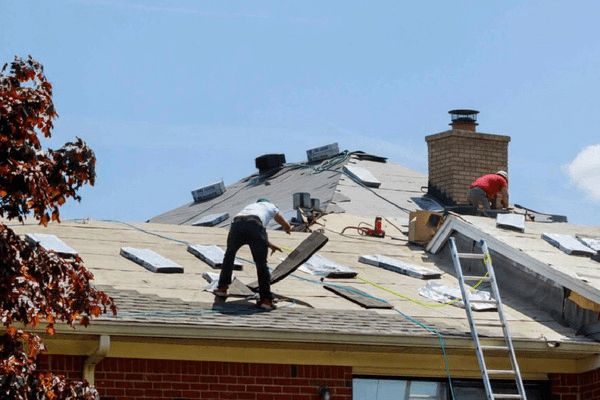
In most cases, roofers do NOT need to come inside your house. A standard roof replacement is completed entirely from the exterior. However, there are specific situations where brief interior access may be necessary.
Understanding these situations helps reduce stress and prevents misunderstandings with your contractor.
Read too: Hail Damage Roof Repair: Essential Guide to Restoring Your Home’s Protection
Why Most Roofing Jobs Are Done Outside Only
Modern residential roofing is designed to minimize disruption inside the home.
Typical Exterior-Only Roofing Tasks
- Removing old shingles
- Inspecting roof decking
- Installing underlayment
- Installing new shingles or metal panels
- Replacing flashing and vents
According to industry data, over 85% of residential roof replacements are completed without interior access.
Situations Where Roofers May Need to Come Inside
This is one of the most common “People Also Ask” questions—and the answer depends on your home’s structure and the scope of work.
1. Attic Inspection
Roofers may need attic access to:
- Check for water damage
- Inspect insulation
- Look for mold or rot
- Verify ventilation performance
This is usually brief and done once, often before or after installation.
2. Leak Investigation
If you’ve reported leaks:
- Contractors may trace water stains from the ceiling
- They may confirm entry points from inside
This improves accuracy and reduces guesswork.
3. Structural or Decking Repairs
In older homes, roof decking damage may extend to:
- Rafters
- Trusses
- Ceiling framing
Interior access helps confirm structural safety before continuing.
4. Ventilation System Upgrades
If your project includes:
- Ridge vents
- Attic fans
- Soffit improvements
Roofers may need to enter the attic to ensure proper airflow alignment.
Roof Replacement vs Roof Repair: Access Comparison
| Roofing Job Type | Inside Access Needed? | Frequency |
|---|---|---|
| Full Replacement | Rare | Low |
| Minor Repairs | Almost Never | Very Low |
| Leak Diagnosis | Sometimes | Medium |
| Ventilation Upgrade | Often | Medium |
| Structural Repair | Yes | High |
This table highlights why most homeowners won’t experience interior disruption.
Do Roofers Need Access to Living Spaces?
Almost never.
Roofers do not need access to bedrooms, kitchens, or bathrooms. If interior access is required, it’s typically limited to:
- Attic hatch
- Garage attic
- Utility access points
If a contractor requests access beyond these areas, ask for clarification.
How Long Are Roofers Inside the House?
When access is required:
- Usually 5–20 minutes
- Often just once during the project
- Typically supervised or scheduled in advance
Professional contractors respect homeowner privacy and plan accordingly.
Should You Be Home During Roofing Work?
This is another frequent concern.
Do You Have to Be Home?
- No, for exterior-only work
- Yes (recommended) if attic access is needed
Many homeowners choose to stay home during the initial inspection and return later.
Safety and Liability: Why Roofers Ask Permission
Licensed contractors follow strict guidelines:
- They must request permission before entering
- They document interior conditions
- They avoid liability disputes
Reputable companies never enter without consent.
Homeowner Preparation Checklist (If Interior Access Is Needed)
Step-by-Step Preparation
- Clear attic access area (minimum 4×4 feet)
- Remove fragile items nearby
- Ensure lighting is functional
- Secure pets in another room
- Notify household members
This preparation ensures efficiency and safety.
What About Noise and Vibration Inside the House?
Even without interior access, roofing can be loud.
What to Expect
- Hammering vibrations
- Dust movement in attic
- Minor ceiling creaks
This is normal and temporary.
Do Roofing Codes Require Interior Inspections?
In some states, inspectors—not roofers—may require attic access.
Building codes vary, but inspectors may:
- Verify insulation depth
- Confirm ventilation compliance
For general building code principles, you can refer to this overview on Wikipedia:
https://en.wikipedia.org/wiki/Building_code
How Professional Roofers Protect Your Home Interior
Reputable companies use:
- Drop cloths
- Shoe covers
- Protective masks
- Flashlights instead of installing lights
These practices align with modern E-E-A-T standards for professionalism.
Red Flags: When to Be Concerned
Be cautious if a roofer:
- Requests unrestricted indoor access
- Doesn’t explain why access is needed
- Refuses to schedule access times
- Lacks licensing or insurance
Transparency is a sign of expertise.
Case Study: Typical Roof Replacement (US Suburban Home)
Home Type: 2,100 sq ft single-family home
Roof Type: Asphalt shingles
Duration: 1 day
Interior Access:
- 10-minute attic inspection before install
- No living space access
Result: Successful installation with zero interior disruption.
Advantages vs Disadvantages of Interior Access
Pros
- More accurate inspections
- Better ventilation outcomes
- Reduced long-term repair costs
Cons
- Temporary inconvenience
- Minor dust exposure
Most homeowners find the benefits outweigh the inconvenience.
FAQ: When Roofing A House Do They Have To Come Inside
Q1: Do roofers ever need access to bedrooms or living rooms?
No. Interior access is typically limited to attic spaces only.
Q2: Can I refuse interior access?
Yes, but it may limit inspection accuracy or void certain warranties.
Q3: Will roof replacement damage my ceiling?
Normal roofing work should not damage ceilings if the structure is sound.
Q4: Is attic access required by law?
Not always. Requirements vary by location and inspection type.
Q5: How can I confirm if interior access is needed?
Ask your contractor during the estimate phase and get it in writing.
Conclusion
So, When Roofing A House Do They Have To Come Inside? In most cases, they don’t. When they do, access is limited, brief, and purposeful—usually involving the attic only. Understanding this ahead of time helps you prepare, protect your privacy, and ensure a smoother roofing experience.
If this guide helped ease your concerns, share it on social media to help other homeowners feel more confident before their roofing project.


Leave a Reply