If you’ve ever traveled through regions with frequent rainfall, you may have noticed a common architectural pattern and asked yourself: Why People Build Houses With Sloping Roofs In Rainy Areas? This design choice is not random or purely aesthetic—it’s a practical response to environmental challenges. Homeowners and builders in rainy climates rely on sloping roofs to protect structures, reduce maintenance costs, and ensure long-term durability.

In this comprehensive guide, we’ll explore why sloping roofs are the preferred solution in rainy regions, how they outperform flat roofs, and what science, history, and real-world data reveal about this time-tested design.
Read too: How Long Do Standing Seam Metal Roofs Last? A Comprehensive Guide to Durability and Longevity
Why People Build Houses With Sloping Roofs In Rainy Areas (Core Reason)
The primary reason people build houses with sloping roofs in rainy areas is efficient water drainage. Rainwater needs a clear, fast path away from the roof surface. Sloping roofs use gravity to move water downward, preventing pooling, leaks, and structural damage.
Unlike flat or low-slope roofs, sloping roofs:
- Shed rainwater quickly
- Reduce standing water risks
- Minimize moisture absorption
- Protect roofing materials
According to general architectural principles explained on Wikipedia, pitched (sloping) roofs have been used for centuries in wet climates due to their superior performance against rain and snow.
How Do Sloping Roofs Improve Rainwater Drainage?
Sloping roofs work with gravity rather than against it. The steeper the angle, the faster water flows toward gutters and downspouts.
Key drainage advantages:
- Rapid runoff: Water doesn’t linger long enough to seep through materials
- Lower leak probability: Reduced pressure on seams and joints
- Cleaner roof surface: Dirt and debris are washed away naturally
Industry insight: Roofing studies show that roofs with slopes greater than 30° experience significantly fewer moisture-related failures than flat roofs in high-rainfall zones.
What Problems Do Flat Roofs Face In Rainy Areas?
Understanding why people build houses with sloping roofs in rainy areas becomes clearer when comparing them to flat roofs.
Common flat roof issues in rainy climates:
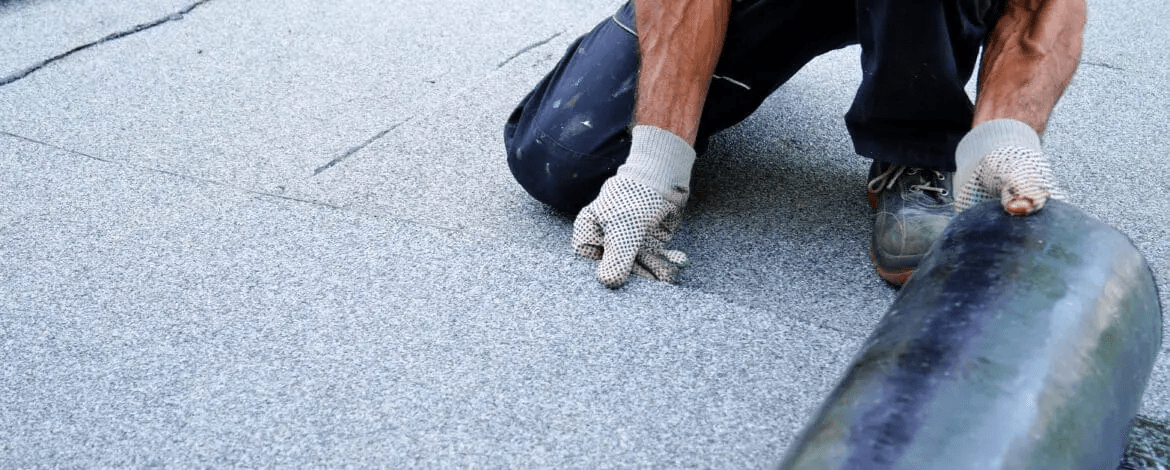
- Water pooling for hours or days
- Increased membrane wear
- Higher leak frequency
- More frequent repairs
Comparison Table: Sloping Roof vs Flat Roof in Rainy Areas
| Feature | Sloping Roof | Flat Roof |
|---|---|---|
| Water drainage | Excellent | Poor |
| Leak risk | Low | High |
| Maintenance | Moderate | High |
| Lifespan | Long | Shorter |
| Rain performance | Reliable | Problematic |
This comparison explains why sloping roofs dominate residential construction in wet regions.
How Sloping Roofs Protect Structural Integrity
Rainwater is one of the most destructive forces affecting buildings. When water seeps into roof layers, it can damage:
- Wooden framing
- Insulation
- Ceilings and walls
Sloping roofs reduce water exposure time, limiting opportunities for infiltration. Over years, this dramatically lowers the risk of rot, mold, and structural weakening.
Engineering principle: The less time water remains in contact with building materials, the lower the risk of long-term degradation.
Do Sloping Roofs Help Prevent Leaks?
Yes—significantly. Roof leaks often begin at seams, flashing, or damaged shingles. On sloping roofs, water moves quickly past these vulnerable points.
Benefits include:
- Reduced hydrostatic pressure
- Less stress on sealants
- Fewer ice dam issues in colder rainy regions
This is a major reason insurance companies often view sloping roofs as lower risk in wet climates.
Why Are Sloping Roofs Better for Heavy and Continuous Rainfall?
In areas with prolonged rainfall, water accumulation becomes a serious concern. Sloping roofs are designed to handle:
- Heavy downpours
- Continuous multi-day rain
- Seasonal monsoons
Even during intense storms, gravity ensures water flows away before it can penetrate roofing layers.
How Sloping Roofs Reduce Mold and Mildew Growth
Moisture is the main cause of mold. By preventing water buildup, sloping roofs help keep roof structures dry.
Mold prevention advantages:
- Faster drying after rain
- Improved attic airflow
- Reduced humidity under roofing materials
Health experts agree that controlling moisture is essential to preventing mold-related indoor air quality issues.
Are Sloping Roofs More Durable in Rainy Climates?
Yes. Durability is a major reason why people build houses with sloping roofs in rainy areas.
Sloping roofs typically last longer because:
- Materials dry faster
- Less water-related wear
- Fewer freeze-thaw cycles
In many rainy regions, sloping roofs last 20–50% longer than flat alternatives when properly maintained.
Traditional and Cultural Reasons for Sloping Roofs
Sloping roofs are not just modern solutions—they are deeply rooted in traditional architecture.
Examples include:
- Southeast Asian homes with steep roofs for monsoon rains
- European cottages designed for rain and snow
- Pacific Northwest houses adapted to constant moisture
These designs evolved through centuries of trial and error, reinforcing the effectiveness of sloping roofs.
How Roof Angle Matters in Rainy Areas
Not all sloping roofs perform the same. The roof pitch (angle) plays a crucial role.
Common roof pitch ranges:
- Low slope: 10–20° (moderate rain)
- Medium slope: 25–35° (heavy rain)
- Steep slope: 40°+ (extreme rain or snow)
Practical tip: In areas with rainfall exceeding 40 inches annually, steeper roof pitches provide better long-term protection.
Do Sloping Roofs Require Less Maintenance?
Generally, yes. While no roof is maintenance-free, sloping roofs require:
- Fewer drainage repairs
- Less frequent waterproofing
- Reduced cleaning
Rain naturally washes away dust and debris, lowering maintenance demands over time.
Energy Efficiency Benefits in Rainy Regions
Sloping roofs often allow for:
- Better insulation placement
- Improved attic ventilation
- Reduced heat loss
These features help stabilize indoor temperatures and reduce energy costs, even in damp climates.
Are Sloping Roofs More Expensive to Build?
Initial construction costs may be slightly higher than flat roofs, but long-term savings often outweigh upfront expenses.
Cost perspective:
- Higher upfront cost: Framing and materials
- Lower lifetime cost: Fewer repairs and replacements
Over 20–30 years, sloping roofs typically prove more economical in rainy areas.
Environmental Benefits of Sloping Roofs
Sloping roofs support:
- Rainwater harvesting systems
- Faster runoff control
- Reduced water stagnation
This makes them environmentally friendly options in sustainable home design.
FAQ: Sloping Roofs in Rainy Areas
Why People Build Houses With Sloping Roofs In Rainy Areas Instead of Flat Roofs?
Because sloping roofs drain water efficiently, reducing leaks, structural damage, and maintenance costs in wet climates.
Are Sloping Roofs Necessary in All Rainy Areas?
While not mandatory, they are highly recommended for regions with frequent or heavy rainfall.
What Is the Best Roof Slope for Heavy Rain?
Slopes between 25° and 40° are ideal for heavy rainfall areas.
Can Flat Roofs Work in Rainy Climates?
Yes, but they require advanced drainage systems and frequent maintenance to prevent water pooling.
Do Sloping Roofs Increase Home Value?
Often yes. Buyers in rainy regions view sloping roofs as more reliable and lower risk.
Conclusion
So, why people build houses with sloping roofs in rainy areas comes down to one key principle: protection against water damage. Sloping roofs efficiently shed rain, reduce leaks, prevent mold, and extend the lifespan of homes in wet climates.
From structural safety to long-term cost savings, the advantages are clear. If you live in or are building a home in a rainy region, choosing a sloping roof is not just smart—it’s proven by history, science, and real-world performance.
If this guide helped you understand roofing choices better, share it on social media to help other homeowners make informed decisions.
Leave a Reply