Have you ever looked outside after a snowfall and wondered, “Why Would One House Have No Snow On Its Roof?” while nearby homes remain covered in white? This common winter mystery often sparks curiosity—and sometimes concern—among homeowners. A snow-free roof can signal anything from excellent design to serious hidden problems.
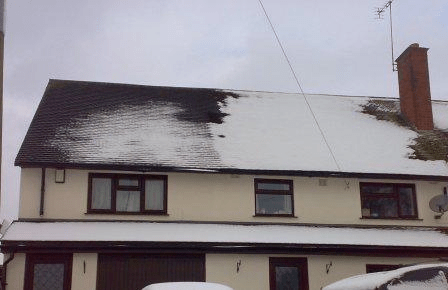
In this detailed guide, we’ll explain exactly why one house may have no snow on its roof, what it means for your home’s health, and when this situation is beneficial—or a warning sign you shouldn’t ignore.
Read too: How Long Do Standing Seam Metal Roofs Last? A Comprehensive Guide to Durability and Longevity
Why Would One House Have No Snow On Its Roof? (Quick Explanation)
In most cases, the answer comes down to heat transfer. Snow melts when heat escapes from inside the house and warms the roof surface. If one house has no snow while others do, it usually means that roof is warmer than its surroundings.
That warmth can come from:
- Heat loss through the attic
- Poor insulation
- Warm air leaks
- Roofing material differences
- Sun exposure and roof design
Understanding why this happens is essential, because a snow-free roof is not always a good sign.
How Roof Temperature Affects Snow Accumulation
Snow stays on a roof only when the surface temperature remains below freezing (32°F / 0°C). If the roof warms up—even slightly—the snow begins to melt and slide off or evaporate.
Key factors influencing roof temperature:
- Indoor heat escaping upward
- Insulation quality
- Ventilation efficiency
- Roofing materials
- Roof color and slope
Even small temperature differences can create a dramatic visual contrast between houses on the same street.
Poor Attic Insulation: The Most Common Reason
One of the most common reasons one house has no snow on its roof is poor attic insulation.
How insulation affects snow:
- Warm air rises naturally
- Heat escapes into the attic
- Roof deck warms up
- Snow melts from underneath
Expert insight: Energy efficiency studies show that up to 25–30% of a home’s heat loss occurs through the roof when insulation is inadequate.
While this may keep the roof snow-free, it also means higher heating bills and wasted energy.
Air Leaks and Heat Escaping From the House
Even if insulation exists, air leaks can undermine its effectiveness.
Common air leak sources:
- Attic hatches
- Recessed lighting
- Bathroom exhaust fans
- Plumbing and wiring penetrations
Warm air leaking through these gaps creates hot spots on the roof, melting snow unevenly and making one house stand out.
Roof Ventilation: A Hidden Factor
Proper attic ventilation helps keep roof temperatures consistent with outdoor air. When ventilation is poor, warm air gets trapped.
Effects of poor ventilation:
- Warmer roof surface
- Faster snow melt
- Increased moisture buildup
- Higher risk of mold
Balanced intake and exhaust ventilation helps prevent these issues and keeps snow accumulation more uniform.
Roofing Materials and Their Role in Snow Melt
Different roofing materials absorb and transfer heat differently.
Heat retention by material:
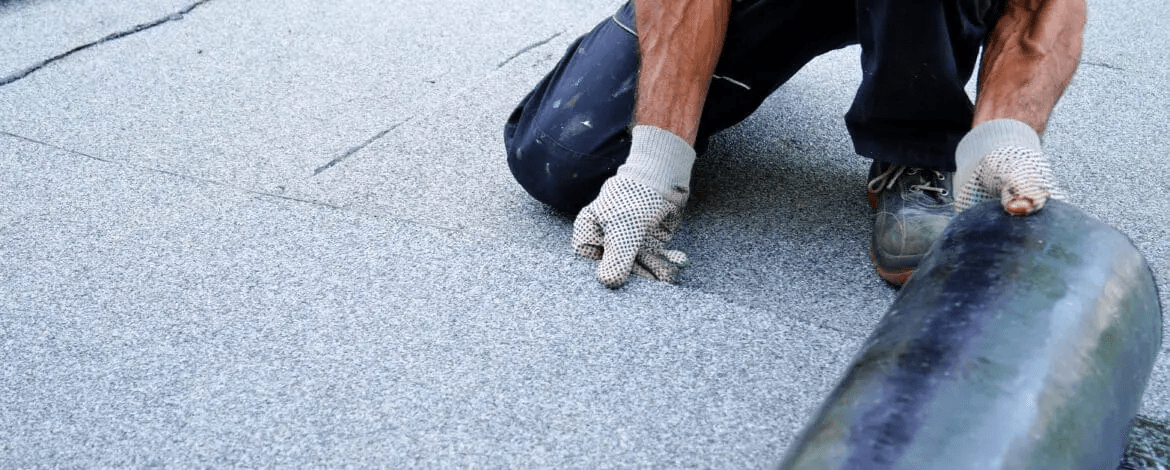
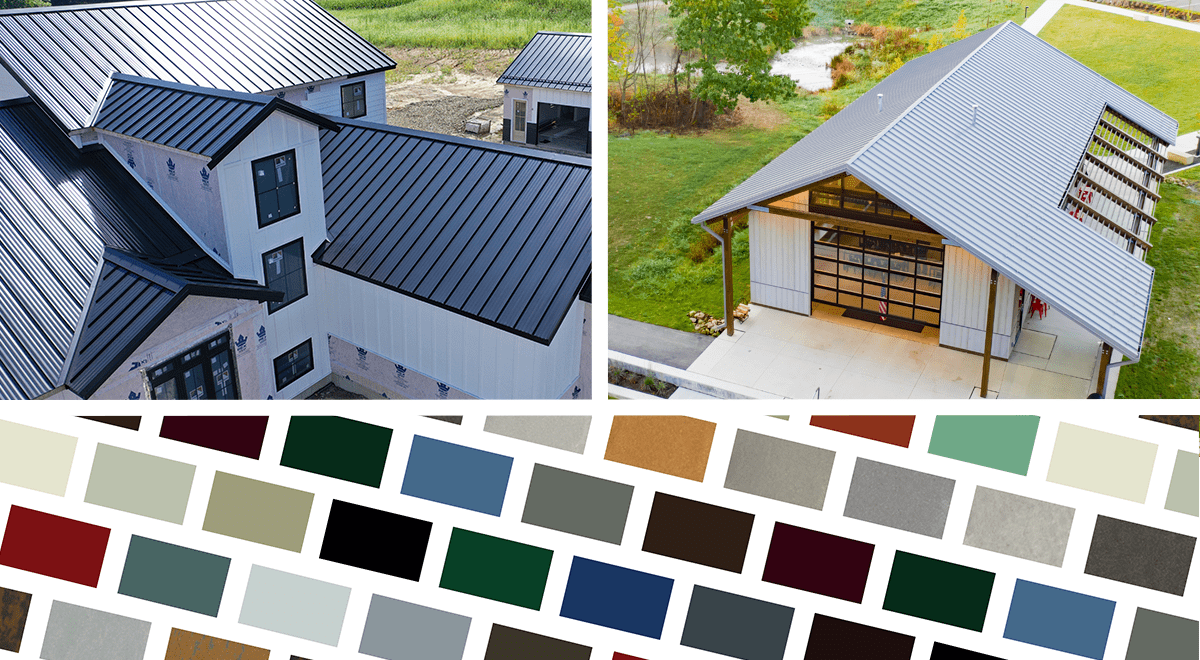
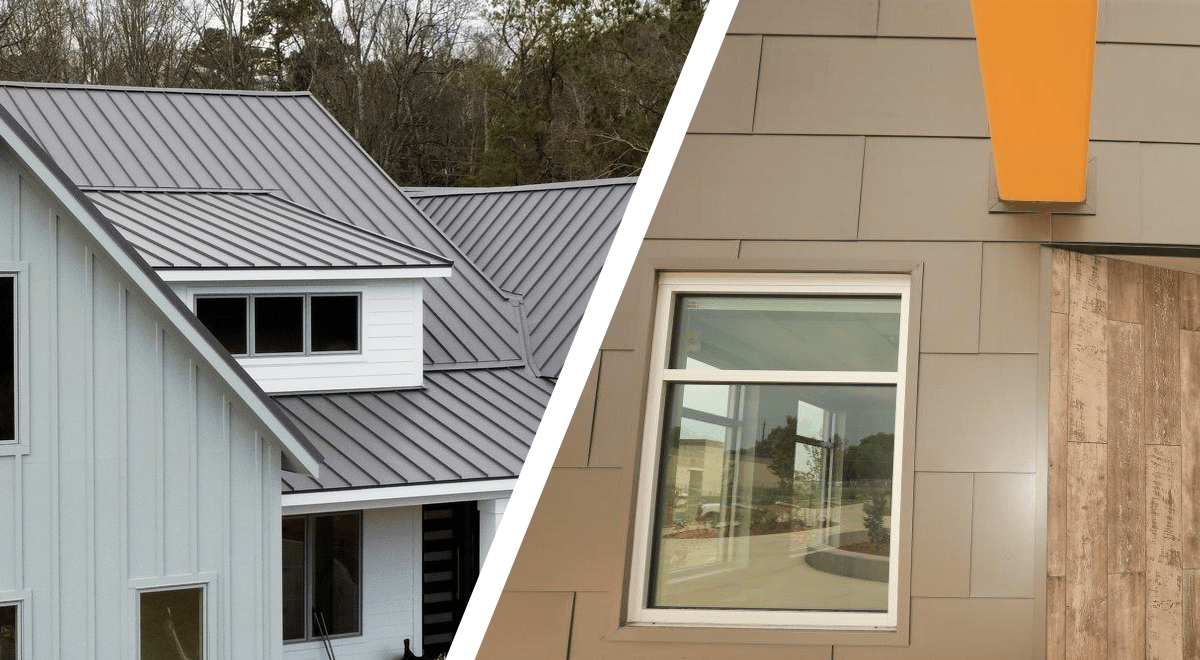
- Metal roofing: Heats quickly and sheds snow fast
- Asphalt shingles: Moderate heat retention
- Tile or slate: Slower heat transfer
This means a house with a metal roof may appear snow-free even with good insulation—especially after sunlight exposure.
Roof Color and Sun Exposure
Dark-colored roofs absorb more solar energy than light-colored ones.
Why this matters:
- Dark roofs warm faster
- Snow melts more quickly
- South-facing slopes get more sun
A single house may have no snow simply because:
- It faces the sun directly
- Trees don’t shade the roof
- The roof color absorbs heat efficiently
Roof Pitch and Snow Shedding
Steeper roofs shed snow more easily than low-slope roofs.
Snow behavior by roof pitch:
- Low slope: Snow sits longer
- Medium slope: Partial shedding
- Steep slope: Snow slides off quickly
This explains why some homes appear snow-free shortly after a storm—even without heat loss.
Energy Efficiency vs. Energy Loss: Key Differences
A critical distinction must be made between efficient snow shedding and wasteful heat loss.
Snow-free roof can mean:
✅ Good design + sunlight + steep pitch
❌ Poor insulation + high heat loss
The challenge is identifying which situation applies to your home.
Ice Dams: A Major Warning Sign
If snow melts on the roof and refreezes at the edges, ice dams can form.
How ice dams develop:
- Heat melts snow near the ridge
- Water flows downward
- Cold eaves refreeze the water
- Ice blocks drainage
This can lead to:
- Roof leaks
- Gutter damage
- Interior water stains
Ice dams are a strong indicator that heat loss—not smart design—is causing the snow to melt.
Moisture and Condensation Risks
Warm air leaking into a cold attic can create condensation.
Long-term risks include:
- Mold growth
- Wood rot
- Reduced insulation effectiveness
Over time, this hidden moisture can cause serious structural damage.
Is a Snow-Free Roof Always a Problem?
No—not always.
Snow-free roofs are not a concern when:
- Insulation is high-quality
- Ventilation is balanced
- Roof material sheds snow naturally
- Sun exposure explains the melt
Snow-free roofs are a concern when:
- Heating bills are unusually high
- Ice dams form frequently
- Indoor drafts are noticeable
Context matters more than appearance alone.
How to Tell If Heat Loss Is the Cause (Step-by-Step)
Here’s a simple way to assess the situation:
- Compare heating bills with neighbors
- Check attic insulation depth (recommended 10–14 inches in cold climates)
- Look for ice dams at roof edges
- Inspect attic for moisture or frost
- Use an infrared thermometer (roof surface above 32°F indicates heat loss)
If multiple signs appear, heat loss is likely the cause.
What Science Says About Snow Melt on Roofs
The basic physics behind this phenomenon is heat transfer, as explained in general building science references like
https://en.wikipedia.org/wiki/Heat_transfer
Heat naturally moves from warm interiors to cold exteriors. When insulation and air sealing are weak, that heat escapes—melting snow from below.
Benefits vs. Risks of a Snow-Free Roof
Pros and Cons Table
| Aspect | Benefit | Risk |
|---|---|---|
| Snow load | Reduced weight | Ice dam formation |
| Appearance | Clean roof | Hidden energy loss |
| Safety | Less snow buildup | Falling snow hazards |
| Energy use | — | Higher heating costs |
Understanding both sides helps homeowners make smarter decisions.
How to Fix the Problem If Heat Loss Is the Cause
Practical solutions:
- Upgrade attic insulation
- Seal air leaks with foam or caulk
- Improve attic ventilation
- Install insulated attic access doors
These improvements help keep snow on the roof longer—which is actually a good thing in winter.
FAQ: Snow-Free Roofs Explained
Why Would One House Have No Snow On Its Roof After a Storm?
Most often due to heat escaping through the roof, causing snow to melt from underneath.
Is It Bad If My Roof Has No Snow?
Not always. It’s only a problem if caused by insulation or ventilation issues leading to energy loss or ice dams.
Does a Snow-Free Roof Mean My House Is Warmer?
It usually means your roof is warmer, not necessarily your living space—often due to heat loss.
Can Good Insulation Keep Snow on the Roof?
Yes. Well-insulated homes often retain snow longer because less heat escapes.
Should I Be Concerned About Energy Efficiency?
Yes. A snow-free roof in freezing weather can indicate higher energy bills and reduced efficiency.
Conclusion
So, why would one house have no snow on its roof? The answer lies in a mix of heat loss, insulation quality, ventilation, roof design, and environmental factors. While a snow-free roof can sometimes reflect smart architecture or sun exposure, it often signals wasted energy and potential damage if caused by escaping heat.
By understanding the reasons behind this winter phenomenon, homeowners can take informed steps to improve comfort, reduce costs, and protect their homes.
If you found this explanation helpful, share it on social media to help others understand what their winter roof is really telling them.
Leave a Reply