If you’re preparing to sell or buy a home, you may be wondering: Will A Saggy Roof Make A House Fail An Inspection? This is a common and very valid concern for homeowners across the U.S. A sagging roof can raise red flags during a home inspection, but whether it causes a failure depends on the severity, cause, and potential safety risks.
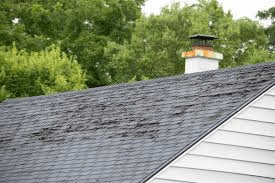
This guide will walk you through how inspectors evaluate sagging roofs, what factors matter most, and what you can do to address the issue before it becomes a deal-breaker.
What Does a “Saggy Roof” Actually Mean?
A saggy roof refers to a visible dip, bow, or uneven line along the roof ridge or roof plane. Instead of appearing straight and level, parts of the roof may look sunken or warped.
Read too: How Long Do Standing Seam Metal Roofs Last? A Comprehensive Guide to Durability and Longevity
Common signs include:
- A noticeable dip in the roofline when viewed from the street
- Interior ceiling cracks or uneven drywall
- Doors or windows sticking due to structural movement
- Wavy or uneven shingles
A sagging roof is not just a cosmetic issue—it often indicates underlying structural stress.
Will A Saggy Roof Make A House Fail An Inspection?
Short answer: Yes, it can—but not always.
Home inspectors do not “pass” or “fail” a house in a strict sense. Instead, they identify deficiencies, safety hazards, and structural concerns. A saggy roof becomes a serious problem if it suggests compromised structural integrity.
A home inspection may raise major concerns if the sagging roof:
- Indicates structural failure or ongoing movement
- Poses a safety risk
- Shows signs of water intrusion or rot
- Is likely to require expensive repairs
In many real estate transactions, these findings can lead to renegotiation, required repairs, or even deal termination.
How Home Inspectors Evaluate a Sagging Roof
Inspectors use a combination of visual assessment and professional judgment. They typically evaluate the roof from the exterior, attic, and interior ceilings.
Key areas inspectors focus on:
- Roofline straightness – Uneven ridges are often the first red flag
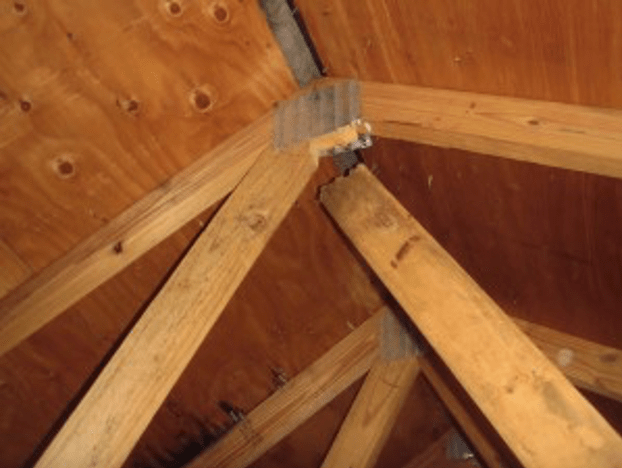
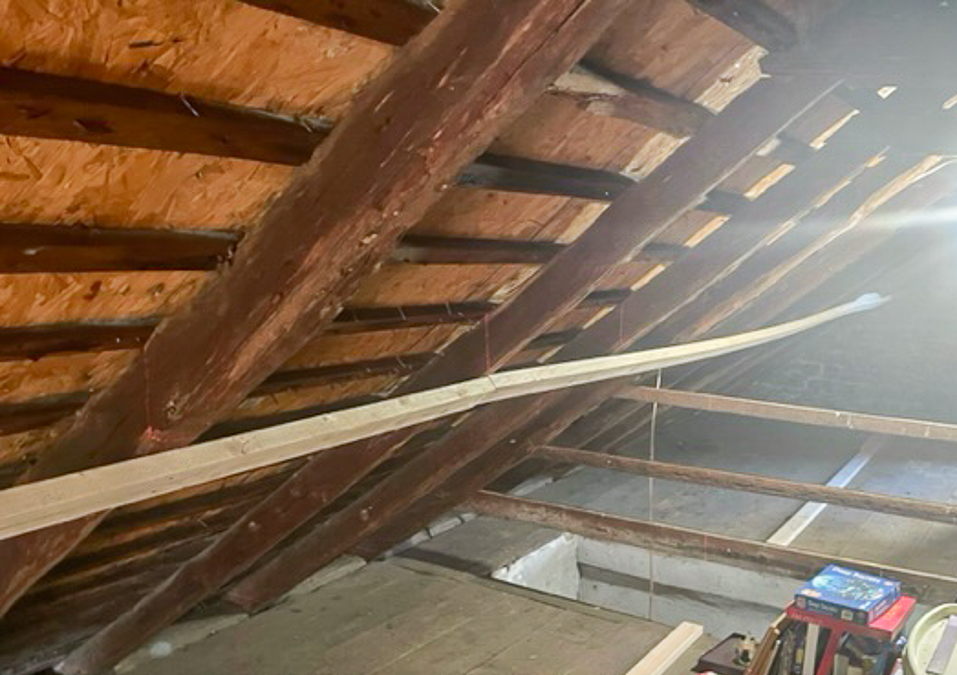
- Attic framing – Rafters, trusses, and ridge boards
- Moisture damage – Mold, rot, or water stains
- Load distribution – Evidence of undersized or overloaded framing
According to the American Society of Home Inspectors, structural roof defects are among the top five issues that raise safety concerns during inspections.
For background on roof framing systems, you can reference this overview on Wikipedia.org: https://en.wikipedia.org/wiki/Roof
Common Causes of a Sagging Roof
Understanding the cause helps determine whether the issue is minor or serious.
1. Age of the Home
Older homes (40–70+ years) often experience roof sag due to:
- Wood fatigue
- Outdated building standards
- Natural settling
2. Water Damage
Long-term leaks can weaken rafters and decking. Even small leaks over 5–10 years can cause significant sagging.
3. Poor Original Construction
Issues such as:
- Undersized rafters
- Improper spacing
- Missing collar ties
can lead to structural failure over time.
4. Excess Weight on the Roof
Heavy snow, multiple layers of shingles, or solar panel installations can overload the roof structure.
Minor Sag vs Major Structural Problem
Not all sagging roofs are equal. Inspectors usually differentiate between cosmetic sagging and structural sagging.
| Type of Sagging | Inspection Impact | Risk Level |
|---|---|---|
| Slight, uniform dip | Noted as maintenance | Low |
| Localized sag | Further evaluation recommended | Medium |
| Widespread or worsening sag | Structural concern | High |
| Sag with rot or cracks | Likely deal-breaker | Very High |
If the sagging roof is classified as structural, it can significantly affect the inspection outcome.

4
Can You Sell a House With a Sagging Roof?
Yes, but with conditions.
Possible outcomes:
- Buyer requests repair credits
- Buyer demands repairs before closing
- Lender requires structural certification
- Sale price is reduced
In FHA or VA loans, roof structural issues are more likely to delay or block approval.
How Much Does It Cost to Fix a Sagging Roof?
Repair costs vary depending on severity and location.
Typical cost ranges in the U.S.:
- Minor reinforcement: $1,000 – $3,000
- Rafter or truss repair: $3,000 – $8,000
- Structural rebuild: $10,000 – $25,000+
According to industry surveys, structural roof repairs average $6,500 nationwide.
Step-by-Step: What to Do Before an Inspection
If you suspect a sagging roof, take proactive steps.
Step 1: Visual Check
Stand 20–30 feet away and look at the roofline. Use binoculars if needed.
Step 2: Attic Inspection
Look for cracked rafters, moisture stains, or bowed wood. Use a flashlight with at least 300 lumens.
Step 3: Hire a Structural Engineer
A certified engineer can provide a written report—often costing $300–$700.
Step 4: Make Repairs Early
Fixing issues before listing avoids last-minute negotiations and delays.
Does Insurance Cover Sagging Roof Repairs?
Usually no, unless the damage was caused by a sudden event like a storm. Gradual sagging from age or neglect is typically excluded.
FAQ: Sagging Roof and Home Inspections
Q1: Will a sagging roof automatically fail a home inspection?
No. Inspectors report conditions rather than pass/fail. Minor sagging may only be noted, while structural sagging raises serious concerns.
Q2: Is a sagging roof considered a safety hazard?
Yes, if it indicates structural weakness or risk of collapse, it may be classified as a safety issue.
Q3: Can a buyer back out because of a sagging roof?
Yes. Inspection contingencies often allow buyers to renegotiate or withdraw.
Q4: Should I fix a sagging roof before selling?
In most cases, yes. Pre-listing repairs often result in smoother transactions and higher buyer confidence.
Q5: How long can a sagging roof last?
It depends on the cause. Some roofs remain stable for years, while others worsen quickly if moisture or load issues persist.
Conclusion
So, Will A Saggy Roof Make A House Fail An Inspection? It absolutely can—especially if the sagging points to structural damage, water intrusion, or safety risks. However, minor sagging doesn’t always derail a sale if addressed early and properly documented.
By understanding the causes, costs, and inspection criteria, you can take control of the situation before it becomes a costly surprise. If you found this guide helpful, share it with fellow homeowners or buyers on social media—it might save them thousands in unexpected repairs.
Leave a Reply