Raising the roof on a house is a popular way to increase living space, add rooms, or improve ceiling height. If you’re wondering how much to raise the roof on a house, it’s important to understand that costs vary depending on size, structure, and materials. Planning carefully can help you avoid surprises and ensure a safe, durable result.
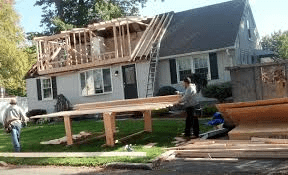
Factors Affecting the Cost of Raising a Roof
- Size of the House
- Larger homes require more materials, labor, and time.
- Height Increase Needed
- Raising a few feet costs less than a full second-story addition.
- Roof Type and Material
- Gable, hip, or flat roofs each require different construction techniques.
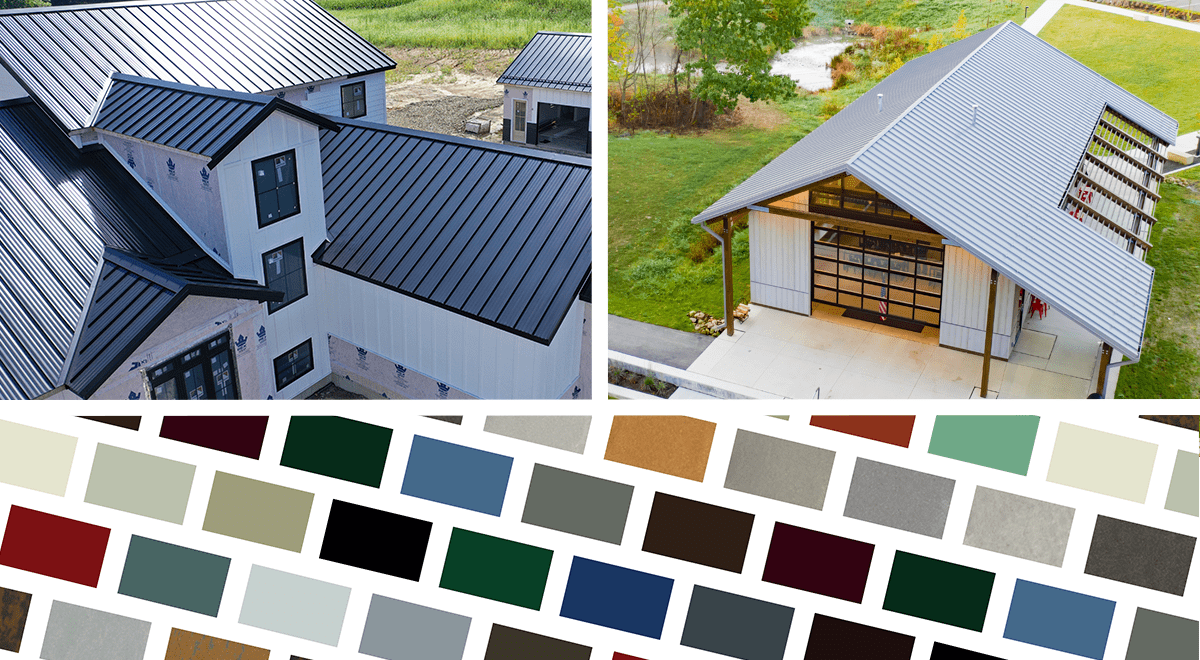
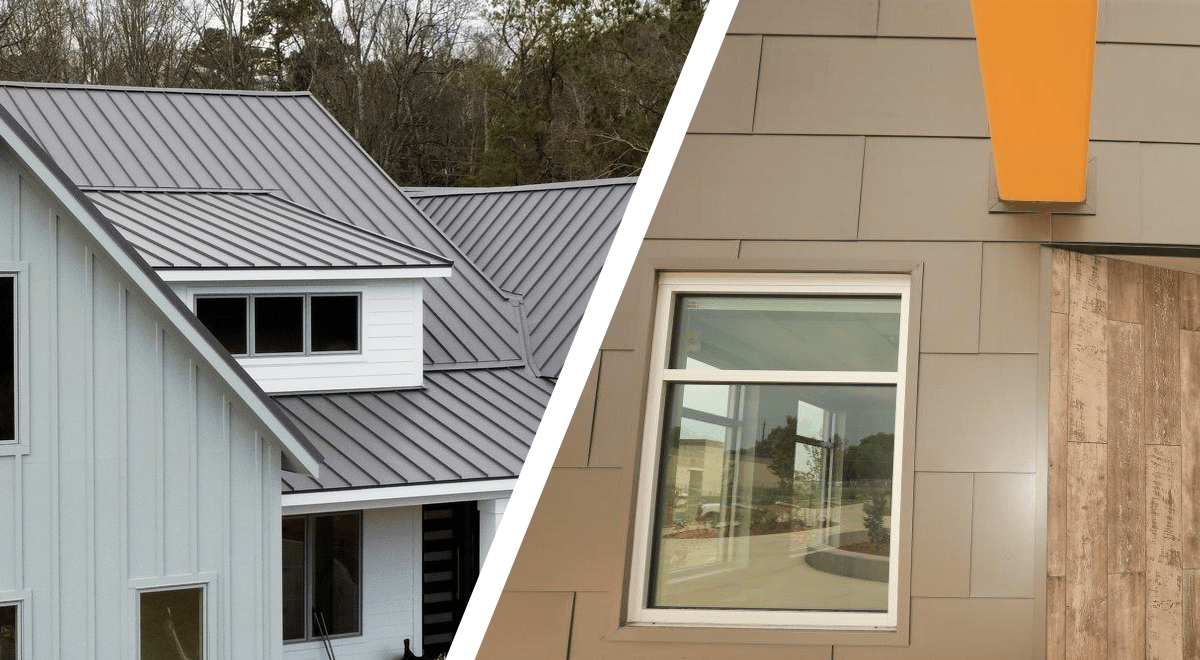
- Material choice (shingles, metal, tiles) impacts pricing.
- Structural Complexity
- Older homes may need additional reinforcements for support.
- Plumbing, electrical, and HVAC relocation can add to costs.
- Labor Costs by Region
- Urban areas often have higher labor costs than rural regions.
Read too: How To Replace Roof Shingles That Blew Off: A Comprehensive Guide
Average Cost Estimates
| Roof Raise Type | Cost Range (USD) | Notes |
|---|---|---|
| Partial Lift (2–3 ft) | $15,000 – $30,000 | Minimal structural changes, ceiling height improvements |
| Full Story Lift | $50,000 – $150,000 | Adds a second story, major structural work |
| Garage or Small Section | $10,000 – $25,000 | Limited area, easier permit process |
Expert Tip: According to Wikipedia, raising a roof involves careful planning, engineering, and compliance with local building codes to ensure structural integrity.
Steps to Raise the Roof on a House
- Hire a Structural Engineer
- Evaluate your home’s foundation and framing.
- Obtain Permits
- Check local building codes and zoning requirements.
- Prepare the Home
- Remove roofing, insulation, and fixtures above the area to be raised.
- Lift the Roof
- Use hydraulic jacks or cranes for larger lifts.
- Ensure temporary supports are in place for safety.
- Add New Framing and Roof Sections
- Extend walls and install new rafters or trusses.
- Reinstall Roofing Materials and Interior Finishes
- Include insulation, drywall, and any electrical or HVAC adjustments.
- Final Inspection
- Verify compliance with structural and safety codes.
Pros and Cons of Raising a Roof
Pros:
- Increased living space
- Higher ceilings and better airflow
- Potential property value increase
Cons:
- High cost and labor-intensive
- Potential zoning or permit restrictions
- Temporary disruption to home life
Maintenance and Safety Considerations
- Inspect structural integrity periodically after the lift
- Ensure proper water drainage to prevent roof leaks
- Maintain roofing materials according to manufacturer guidelines
- Hire licensed contractors for electrical, plumbing, or HVAC modifications
FAQ
Q1: How long does it take to raise a roof?
A1: Partial lifts may take 2–4 weeks, while full second-story additions can take 3–6 months.
Q2: Do I need a permit to raise my roof?
A2: Yes, almost all municipalities require permits to ensure safety and code compliance.
Q3: Can I live in the house during the process?
A3: It’s possible for minor lifts, but full-story lifts typically require temporary relocation.
Q4: Will raising my roof increase property taxes?
A4: Likely yes, because it increases square footage and assessed property value.
Q5: What’s cheaper: raising the roof or building an addition?
A5: It depends; partial lifts can be cheaper than building a new extension, but full-story lifts may be similar in cost to new construction.
Conclusion
Understanding how much to raise the roof on a house requires evaluating home size, structure, materials, and labor costs. With proper planning, permits, and professional guidance, raising a roof can transform your living space and enhance home value.
Share this guide with friends or family planning home renovations to help them make informed decisions!

Leave a Reply