How To Replace Roof Shingles That Blew Off? Replacing roof shingles that have blown off during a storm or high winds is essential to maintaining the integrity of your roof. This task, while manageable for many DIY enthusiasts, requires careful attention to detail to ensure a proper and lasting repair. This article will guide you through the steps of replacing roof shingles that have blown off, providing you with the knowledge to tackle this project confidently.
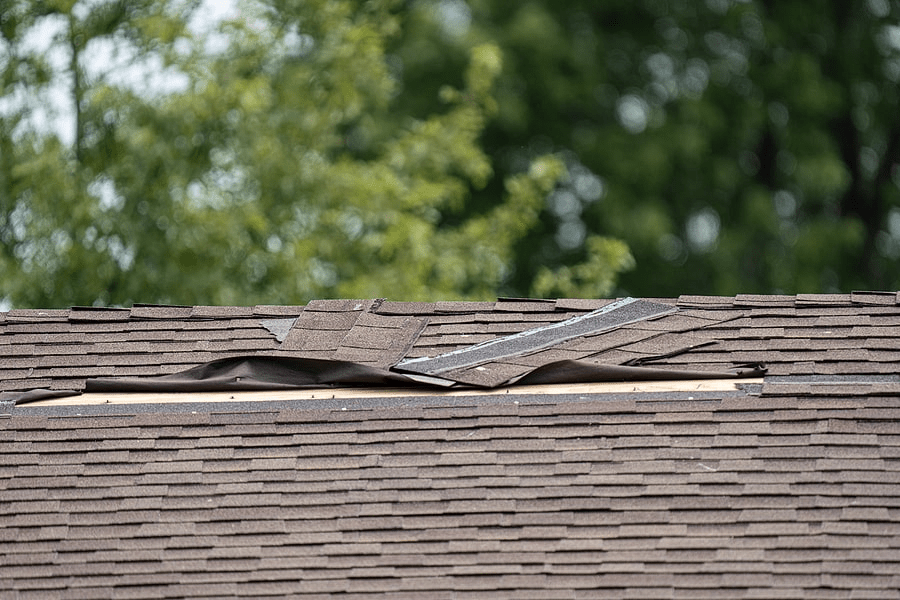
Understanding the Importance of Replacing Blown Off Shingles
Before diving into the step-by-step guide on how to replace roof shingles that blew off, it’s important to understand why this repair is crucial. Missing shingles can lead to:
- Water Damage: Exposed areas can allow water to seep into the roof deck, leading to rot, mold, and interior damage.
- Energy Loss: Gaps in the roofing can compromise your home’s insulation, leading to increased heating and cooling costs.
- Structural Integrity: Missing shingles can weaken the overall structure of the roof, making it more susceptible to further damage.
Read too: How To Replace A Mobile Home Roof: Step-by-Step Guide for Homeowners
How To Replace Roof Shingles That Blew Off
Step 1: Gather Necessary Tools and Materials
Before starting the repair, ensure you have all the necessary tools and materials:
- Replacement shingles (matching the existing shingles as closely as possible)
- Roofing nails
- Hammer or nail gun
- Pry bar
- Utility knife
- Roofing cement or adhesive
- Ladder
- Safety gear (gloves, safety glasses, harness)
Step 2: Assess the Damage
Inspect your roof to determine the extent of the damage. Identify all the missing shingles and check the surrounding areas for any loose or damaged shingles that might need replacement as well.
Step 3: Remove the Damaged Shingles
Using a pry bar, carefully lift the shingles surrounding the missing or damaged ones. Slide the pry bar under the shingle and gently lift to loosen the adhesive and nails. Remove any remaining pieces of the damaged shingle.
Step 4: Prepare the Roof Surface
Once the damaged shingles are removed, inspect the roof deck for any signs of damage or rot. If the roof deck is damaged, it may require additional repair before proceeding. Clean the area to remove any debris or old adhesive.
Step 5: Install the New Shingles
- Position the Shingle: Place the new shingle in the gap left by the old one. Ensure it aligns properly with the surrounding shingles.
- Secure the Shingle: Using roofing nails, secure the new shingle in place. Typically, four nails per shingle are sufficient, but follow the manufacturer’s guidelines if available. Ensure the nails are placed under the overlap of the upper shingles to prevent water penetration.
- Seal the Shingle: Apply roofing cement or adhesive under the edges of the new shingle to secure it and prevent wind from lifting it.
Step 6: Check for Proper Alignment
After securing the new shingles, ensure they are properly aligned with the existing shingles. This will not only ensure a seamless look but also prevent potential water leakage.
Tips for Preventing Future Shingle Blow-Offs
- Regular Inspections: Conduct regular roof inspections, especially after severe weather, to catch and repair any minor damages before they escalate.
- Proper Installation: Ensure shingles are installed correctly with the right number of nails and adhesive. Consider professional installation if you’re unsure about doing it yourself.
- High-Quality Materials: Use high-quality shingles and roofing materials that are rated for high wind resistance.
- Roof Maintenance: Regularly clean your roof and gutters to prevent debris buildup, which can cause damage and weaken shingles.
Common Mistakes to Avoid When Replacing Shingles
- Incorrect Shingle Type: Using shingles that don’t match the existing ones can lead to improper sealing and an uneven appearance.
- Insufficient Nailing: Not using enough nails or placing them incorrectly can cause shingles to blow off again.
- Skipping the Adhesive: Failing to apply roofing cement or adhesive can make shingles more susceptible to wind damage.
Conclusion
Replacing roof shingles that have blown off is a critical maintenance task that can prevent more significant damage to your home. By following the steps outlined in this guide, you can effectively replace missing shingles and ensure your roof remains in good condition. Regular inspections, proper installation, and using high-quality materials can help prevent future shingle blow-offs and extend the life of your roof.

Leave a Reply