Seeing A Man Standing On The Roof Of A House is common during home repairs, inspections, or renovations—but it also raises important safety questions. Whether you’re a homeowner planning maintenance or simply trying to understand what’s happening, this guide explains why people stand on roofs, what risks are involved, and how to do it safely. The goal is to help you make informed, practical decisions without technical overload.
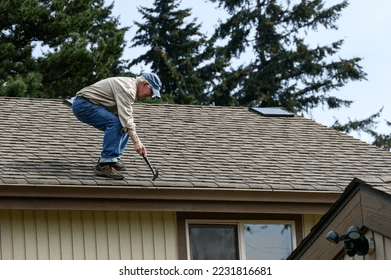
Why Is a Man Standing on the Roof of a House?
One of the most common People Also Ask questions is: Why would someone need to stand on a roof?
Read too: How Long Do Standing Seam Metal Roofs Last? A Comprehensive Guide to Durability and Longevity
There are several everyday reasons:
- Roof inspection: Checking shingles, flashing, or damage after storms
- Maintenance: Cleaning gutters, removing debris, or sealing leaks
- Installation: Mounting antennas, solar panels, or HVAC components
- Repairs: Replacing shingles, fixing vents, or addressing minor leaks
In short, A Man Standing On The Roof Of A House usually signals maintenance or inspection—not a risky stunt—when done properly.
Is It Safe to Stand on a Residential Roof?
A frequent follow-up question is: Is it actually safe to stand on a roof?
Yes—if proper precautions are taken.
No—if safety basics are ignored.
Key factors that affect safety
- Roof pitch (steepness): Steeper roofs are more dangerous
- Roof material: Metal and tile are more slippery than asphalt shingles
- Weather conditions: Wet, icy, or windy conditions increase risk
- Footwear and equipment: Proper shoes and fall protection matter
Industry data consistently shows that falls from roofs are a leading cause of home maintenance injuries, which is why preparation is essential.
Common Roof Types and How They Affect Stability
Understanding the roof you’re stepping on makes a big difference.
Asphalt shingle roofs
- Most common in US homes
- Generally provide good traction
- Safer for short-duration work
Metal roofs
- Extremely slippery, even when dry
- Require specialized footwear and anchors
Tile roofs
- Fragile and slippery
- High risk of tile breakage and falls
Flat or low-slope roofs
- Easier to stand on
- Still require edge protection
👉 Rule of thumb: The smoother and steeper the roof, the higher the risk.
Safety Risks of Standing on a Roof
Another common question: What are the real dangers?
Primary risks
- Falls: Leading to serious injury
- Slips: Due to loose debris or moisture
- Structural damage: Stepping on weak areas
- Weather exposure: Heat, sun, or sudden wind
According to safety experts, most accidents happen during quick, “just a minute” tasks—not long planned jobs.
Safety Equipment You Should Always Use
If you see A Man Standing On The Roof Of A House, proper gear should be in place.
Essential safety items
- Non-slip, rubber-soled shoes
- Safety harness and anchor (for steep roofs)
- Stable ladder with levelers
- Work gloves
- Helmet or hard hat (recommended)
Expert tip: A basic safety harness can reduce fall risk by over 80% on sloped roofs.
Step-by-Step: How to Safely Stand on a Roof
This practical guide answers a key user intent: How do I do this safely?
Step 1: Check weather conditions
- Avoid rain, frost, or strong winds
- Ideal temperature: 50–85°F
Step 2: Inspect the ladder
- Use an extension ladder
- Place it on level ground
- Extend it 3 feet above the roof edge
Step 3: Wear proper footwear
- Clean, dry soles
- No smooth or worn-out shoes
Step 4: Test your footing
- Step slowly onto the roof
- Keep your weight centered
Step 5: Maintain three points of contact
- Two feet and one hand whenever possible
⏱ Preparation time: 10–15 minutes
🔧 Skill level: Beginner to intermediate
Professional vs DIY Roof Work
A common decision point is: Should I do this myself or hire a professional?
DIY is reasonable when:
- The roof is low and gently sloped
- The task is quick and simple
- You have basic safety gear
Hire a professional when:
- The roof is steep or high
- Repairs involve structural elements
- You lack proper equipment
Professionals are trained to work safely at heights and carry insurance to reduce liability.
Visual Context: What the Image Often Represents
When people search for A Man Standing On The Roof Of A House, they’re often looking for context:
- Home inspection imagery
- Roofing or construction visuals
- Safety training materials
- Stock images for articles or presentations
The image typically symbolizes maintenance, responsibility, or preparation rather than danger—when done correctly.
Weather and Time-of-Day Considerations
Timing matters more than most people think.
Best times to work on a roof
- Early morning or late afternoon
- Overcast but dry days
Times to avoid
- Midday summer heat
- After rainfall or snow
- During strong winds
Heat-related fatigue can reduce balance and judgment.
Common Mistakes to Avoid
Many injuries happen due to simple errors.
❌ Wearing smooth-soled shoes
❌ Rushing the task
❌ Standing near roof edges without protection
❌ Ignoring loose shingles or debris
Avoiding these mistakes dramatically lowers risk.
Roof Load and Structural Awareness
Another People Also Ask question: Can a roof support a person’s weight?
Most residential roofs can support a person’s weight when standing on load-bearing areas, such as near rafters or trusses. Problems arise when:
- Standing on damaged sections
- Concentrating weight in one spot
- Walking on fragile materials
Understanding roof structure is essential for safety.
Legal and Insurance Considerations
Homeowners should also think about liability.
- Injuries during DIY work may not be fully covered
- Professionals carry worker’s compensation insurance
- Local regulations may apply for certain installations
Being informed can prevent costly surprises.
Educational Background: What Is a Roof?
A roof is the upper covering of a building, designed to protect against weather and environmental elements. Roofs vary in material, structure, and slope depending on climate and design. For a general explanation of roof types and functions, see Wikipedia.org:
https://en.wikipedia.org/wiki/Roof
FAQ: A Man Standing On The Roof Of A House
Is it safe for a homeowner to stand on their own roof?
Yes, for minor tasks—if proper safety precautions are followed.
What shoes are best for roof work?
Non-slip, rubber-soled shoes designed for outdoor work.
Can roof damage occur just from standing on it?
Yes, especially on tile or older roofs.
When should I avoid going on the roof?
During wet, icy, windy, or extremely hot conditions.
Do I need safety gear for a quick inspection?
Yes. Even short tasks can lead to accidents without protection.
Conclusion
A Man Standing On The Roof Of A House is a common sight tied to home care, inspection, and improvement—but it should never be taken lightly. With the right preparation, equipment, and awareness, roof work can be done safely and efficiently. Understanding the risks and best practices protects both people and property.
If this guide helped you better understand roof safety and decision-making, share it on social media so others can stay informed and avoid preventable accidents.
Leave a Reply