Many homeowners ask the same practical question before choosing roofing materials: Does a Black Metal Roof Make Your House Hotter? It’s a fair concern—black surfaces absorb more heat, and metal conducts heat efficiently. This guide breaks down the science, real-world performance, and smart installation choices so you can decide with confidence, not guesswork.
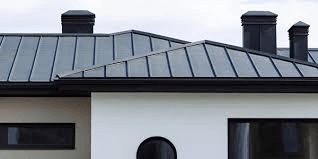
Does a Black Metal Roof Make Your House Hotter?
This is one of the most common People Also Ask questions, and the short answer is:
Not necessarily.
While black metal roofs do absorb more solar heat, that doesn’t automatically mean your home will be hotter inside. Indoor temperature depends on multiple factors, including insulation, ventilation, roof design, and reflective coatings.
Read too: How Long Do Standing Seam Metal Roofs Last? A Comprehensive Guide to Durability and Longevity
👉 In many modern homes, a black metal roof performs just as well as lighter-colored roofs when properly installed.
Why Color Matters in Roofing (The Science Explained)
Homeowners often wonder: Why does color even matter?
How heat absorption works
- Dark colors absorb more solar radiation
- Light colors reflect more sunlight
- Metal heats up faster than asphalt
A black metal roof can reach higher surface temperatures than a white or silver roof—sometimes 30–40°F hotter on the surface. However, surface temperature is not the same as indoor temperature.
The Key Factor: Heat Transfer vs Heat Reflection
Here’s where many misconceptions begin.
Surface heat ≠ indoor heat
Even if the roof surface gets hot:
- Insulation slows heat transfer
- Air gaps reduce conduction
- Reflective coatings bounce heat away
Modern metal roofing systems are engineered to limit how much heat actually enters the home.
How Metal Roofs Handle Heat Better Than You Think
Another common question is: Aren’t metal roofs basically giant heat conductors?
Yes, metal conducts heat—but it also releases heat quickly. Unlike asphalt shingles that retain heat into the evening, metal roofs cool down rapidly once the sun sets.
Key advantages of metal roofing
- Rapid heat dissipation
- Compatible with reflective coatings
- Works well with ventilation systems
- Ideal for radiant barrier insulation
This is why metal roofs are popular even in hot climates like Texas, Arizona, and Florida.
The Role of Insulation (The Real Game Changer)
If you want to control indoor temperature, insulation matters more than roof color.
Types of insulation that make the difference
- Radiant barriers: Reflect heat away from living spaces
- Spray foam insulation: Blocks heat transfer effectively
- Fiberglass or cellulose: Adds thermal resistance (R-value)
With proper insulation, the difference between a black and white metal roof indoors can be negligible—often less than 2–3°F.
Ventilation: Why Attic Airflow Matters
Another frequent question: Why does ventilation matter so much?
Good ventilation helps by:
- Releasing trapped hot air
- Preventing heat buildup under the roof
- Reducing cooling costs
Common ventilation solutions:
- Ridge vents
- Soffit vents
- Gable vents
Homes with well-ventilated attics perform significantly better—even with dark-colored roofs.
Black Metal Roof vs Other Roofing Materials
To put things in perspective, let’s compare.
Black metal roof
- Absorbs heat
- Releases heat quickly
- Works well with insulation
Asphalt shingles (dark color)
- Absorb heat
- Retain heat longer
- Degrade faster in high temperatures
Clay or concrete tile
- Heavy thermal mass
- Slower heat transfer
- Higher cost
👉 In many cases, a black metal roof performs better than dark asphalt shingles in hot weather.
Energy Efficiency: Will Cooling Bills Increase?
This is one of the most important user-intent questions.
Real-world findings
Studies and field data show that:
- Poor insulation = higher AC costs (regardless of roof color)
- Well-insulated homes show minimal energy differences
- Reflective coatings can offset color-related heat gain
In short, a black metal roof alone does not guarantee higher cooling bills.
Reflective Coatings and “Cool Roof” Technology
Many homeowners ask: Can a black metal roof still be energy efficient?
Yes—thanks to modern coatings.
Cool roof features
- Infrared-reflective pigments
- Factory-applied reflective finishes
- Energy Star–rated coatings (on some products)
Some black metal roofs are engineered to reflect up to 40% of solar heat, despite their dark appearance.
Climate Matters: Where You Live Makes a Difference
Another important factor is location.
Hot climates
- Black metal roofs work well with insulation + ventilation
- Heat dissipation helps at night
Cold climates
- Dark roofs can actually help retain warmth
- Snow melts faster, reducing ice dams
For mixed climates, black metal roofing offers year-round balance.
Pros and Cons of a Black Metal Roof
Pros
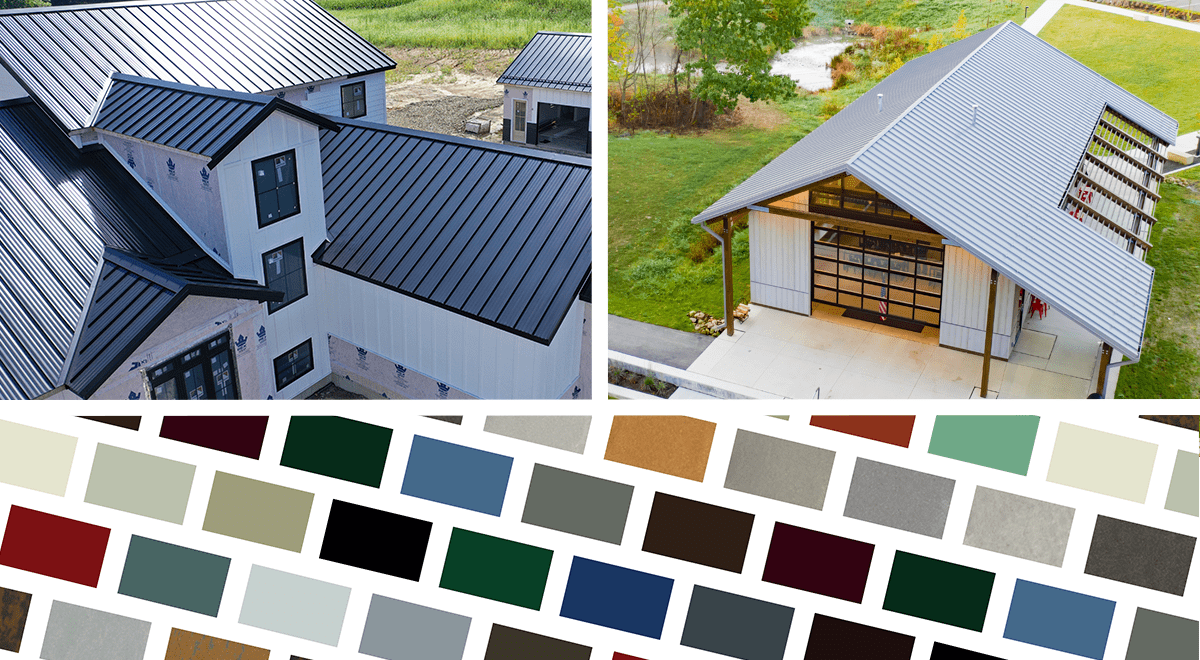
- ✔ Modern, bold appearance
- ✔ Long lifespan (40–70 years)
- ✔ Fast heat release after sunset
- ✔ Works well in cold climates
Cons
- ✖ Higher surface temperatures
- ✖ Requires good insulation
- ✖ Poor installation can increase heat issues
Most downsides are installation-related, not color-related.
Common Myths About Black Metal Roofs
Let’s clear up a few misconceptions.
❌ “Black metal roofs always make homes hotter”
❌ “Metal roofs trap heat inside”
❌ “Dark roofs drastically increase AC bills”
In reality, design and insulation matter far more than color alone.
Installation Tips to Prevent Heat Problems
If you’re considering a black metal roof, follow these best practices:
Step-by-step heat control strategy
- Install high-quality underlayment
- Add radiant barrier insulation
- Ensure proper attic ventilation
- Use reflective or cool-roof coatings
- Seal air leaks in the attic
⏱ Planning time: 1–2 days
🏠 Impact: Long-term energy comfort
Real-World Homeowner Experience
Many homeowners report:
- No noticeable temperature increase
- Improved attic comfort
- Lower long-term maintenance costs
This explains why black metal roofs are increasingly popular in modern residential design.
Roofing and Heat: General Background
Heat absorption and reflection are key concepts in roofing design. Roof color, material, insulation, and ventilation all influence indoor comfort. A general explanation of roof design and materials can be found on Wikipedia.org:
https://en.wikipedia.org/wiki/Roof
FAQ: Does a Black Metal Roof Make Your House Hotter?
Does a black metal roof increase indoor temperature?
Not significantly, when proper insulation and ventilation are in place.
Is a black metal roof bad for hot climates?
No. Many hot-climate homes use black metal roofs successfully.
Are lighter metal roofs more energy efficient?
Slightly—but insulation and ventilation matter more.
Can I add reflective coating to a black metal roof?
Yes, many modern systems include reflective pigments.
Will my AC work harder with a black metal roof?
Only if insulation or ventilation is inadequate.
Conclusion
So, Does a Black Metal Roof Make Your House Hotter?
The honest answer is no—not when designed and installed correctly. While black metal roofs absorb more heat at the surface, modern insulation, ventilation, and reflective technologies prevent that heat from entering your living space. With the right setup, a black metal roof can be just as comfortable—and often more durable—than lighter alternatives.
If this article helped clarify your roofing decision, share it on social media so others can separate roofing myths from real, practical facts.
Leave a Reply