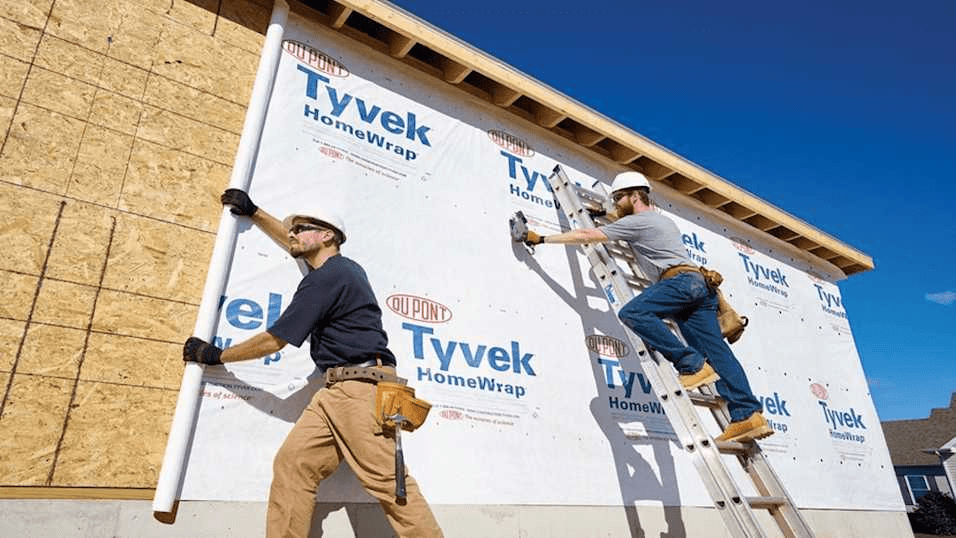
Many homeowners and DIY builders ask the same practical question: Can You Use Tyvek House Wrap On A Roof? At first glance, it seems logical—Tyvek is water-resistant, breathable, and widely used on walls. But roofs face very different conditions than walls. This guide explains what Tyvek house wrap is designed for, why it’s usually not recommended for roofs, what building codes say, and which alternatives actually work.
Can You Use Tyvek House Wrap on a Roof?
Let’s answer the core question directly.
In most cases, no—you should not use Tyvek house wrap as a roof underlayment.
Tyvek house wrap is engineered for vertical wall applications, not horizontal roofing surfaces. While it may shed water briefly, it is not designed to handle prolonged exposure, foot traffic, standing water, or the heat levels found on roofs.
There are limited temporary-use scenarios (explained below), but as a permanent roofing solution, Tyvek house wrap is the wrong material.
What Is Tyvek House Wrap Designed For?
A common People Also Ask question is: What is Tyvek house wrap actually meant to do?
Read too: How Long Do Standing Seam Metal Roofs Last? A Comprehensive Guide to Durability and Longevity
Tyvek house wrap is a weather-resistive barrier (WRB) used on exterior walls. Its main functions are:
- Blocking wind infiltration
- Preventing bulk water intrusion
- Allowing moisture vapor to escape (breathability)
- Improving energy efficiency
It’s part of the building envelope, not the roofing system.
The most well-known brand, Tyvek, manufactures different products for different applications—and that distinction matters.
Why Roofs and Walls Need Different Materials
This is where confusion often happens.
Walls vs roofs: key differences
| Factor | Walls | Roofs |
|---|---|---|
| Orientation | Vertical | Horizontal |
| Water exposure | Intermittent | Continuous |
| UV exposure | Limited | Intense |
| Heat levels | Moderate | Very high |
| Foot traffic | None | Common during install |
Roof underlayments are engineered to survive extreme conditions that wall wraps simply aren’t built for.
What Happens If You Use Tyvek on a Roof?
Another common question is: What’s the worst that could happen?
Potential problems
- Tearing: Tyvek is thin and can rip under foot traffic
- UV degradation: Prolonged sun exposure weakens it
- Water pooling: Not designed for standing water
- Code violations: Can fail inspections
- Warranty issues: Roofing manufacturers may void warranties
In real-world conditions, Tyvek on a roof often fails within weeks or months.
Is Tyvek Waterproof Enough for Roofing?
Tyvek is water-resistant, not waterproof in the way roofing underlayment needs to be.
Important distinction
- Water-resistant: Sheds water briefly
- Waterproof roofing underlayment: Designed for prolonged moisture exposure
Roof underlayments must handle:
- Wind-driven rain
- Ice dams
- Condensation
- Repeated wet–dry cycles
Tyvek house wrap is not rated for these conditions.
Building Codes: Is Tyvek Allowed on Roofs?
A very high-intent question is: Will Tyvek pass code as a roof underlayment?
In most jurisdictions, no.
Building codes typically require:
- ASTM-rated roofing underlayment
- Approved materials (felt, synthetic underlayment, ice-and-water shield)
House wraps like Tyvek do not meet roofing underlayment standards.
👉 Using Tyvek on a roof can cause a failed inspection and costly rework.
Temporary Use: Is There Any Scenario Where Tyvek Works?
There is one narrow exception that causes confusion.
Temporary weather protection
Tyvek may be used very briefly as:
- Emergency temporary cover
- Short-term protection (1–3 days max)
- Only when no better material is available
Even then:
- It must be removed
- It should not be relied on during storms
- It is not a substitute for real underlayment
This is an emergency-only workaround, not a solution.
Tyvek Roof Wrap vs Tyvek House Wrap
Another source of confusion: Doesn’t Tyvek make roofing products?
Yes—but they are different products.
Tyvek house wrap
- Designed for walls
- Breathable
- Thin
- Not walkable
Tyvek roof underlayment products
- Specifically engineered for roofs
- Reinforced for foot traffic
- UV-resistant
- Code-compliant
Using house wrap on a roof is not the same as using a Tyvek roofing underlayment.
Proper Alternatives to Tyvek on a Roof
If you’re looking for the right material, here are safe options.
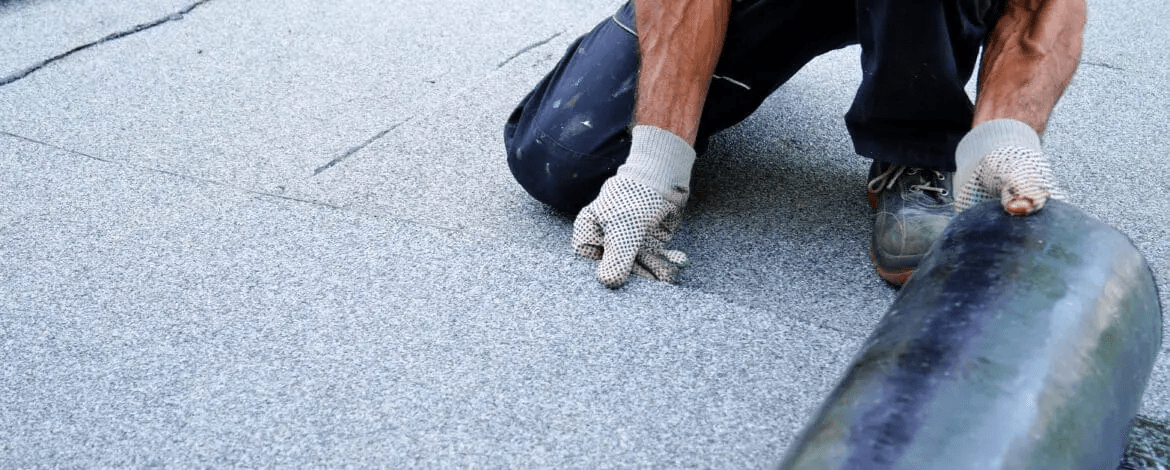
Approved roofing underlayments
- Asphalt-saturated felt (15 lb or 30 lb)
- Synthetic roofing underlayment
- Ice and water shield (self-adhering membrane)
Each option is designed to handle:
- Long-term moisture
- Heat from shingles or metal roofing
- Installation foot traffic
Comparison: Tyvek House Wrap vs Roof Underlayment
Here’s a simple comparison to clarify.
| Feature | Tyvek House Wrap | Roof Underlayment |
|---|---|---|
| Designed for roofs | ❌ No | ✅ Yes |
| UV resistance | Limited | High |
| Walkable | ❌ No | ✅ Yes |
| Code-approved | ❌ No | ✅ Yes |
| Long-term durability | Low | High |
This comparison makes the answer clear.
Common Myths About Using Tyvek on Roofs
Let’s clear up misconceptions.
❌ “Tyvek is waterproof, so it works anywhere”
❌ “Builders use it on roofs all the time”
❌ “It’s cheaper, so it’s a good substitute”
In reality, roofing systems are highly specialized, and shortcuts often lead to leaks and repairs.
Moisture, Condensation, and Roof Ventilation
Another concern people raise: What about breathability?
Roofs manage moisture differently than walls:
- Ventilation handles vapor
- Underlayment blocks water
- Insulation controls condensation
Using a breathable wall wrap on a roof can disrupt this balance and cause hidden moisture issues.
Cost vs Risk: Is It Worth the Gamble?
Trying to save money by using house wrap on a roof often backfires.
Real-world risks
- Material failure
- Mold and rot
- Roof leaks
- Voided warranties
The cost of proper underlayment is small compared to roof repair costs.
Professional Builder Perspective
Most contractors agree:
- Tyvek house wrap belongs on walls
- Roof underlayment belongs on roofs
- Mixing the two creates liability
That’s why professional installers follow manufacturer guidelines and code requirements.
Understanding House Wrap and Underlayment (Background)
House wrap and roofing underlayment serve different roles in protecting buildings from weather. House wrap is a weather-resistive barrier for walls, while roofing underlayment is a protective layer beneath roofing materials. A general overview of building wraps and moisture barriers is available on Wikipedia.org:
https://en.wikipedia.org/wiki/Housewrap
FAQ: Can You Use Tyvek House Wrap on a Roof?
Can Tyvek house wrap be used under shingles?
No. It is not approved or designed for that use.
Will Tyvek stop roof leaks temporarily?
Only briefly, and it is unreliable during rain or wind.
Does Tyvek make roof-specific products?
Yes, but those are different from house wrap.
Can using Tyvek on a roof fail inspection?
Yes. Most inspectors will not approve it.
What’s the safest alternative to Tyvek on a roof?
Synthetic roofing underlayment or ice-and-water shield.
Conclusion
So, Can You Use Tyvek House Wrap On A Roof?
In almost all situations, the answer is no. Tyvek house wrap is an excellent product—when used for its intended purpose on walls. Roofs demand materials designed for extreme exposure, foot traffic, and long-term moisture protection. Choosing proper roofing underlayment protects your home, passes inspections, and prevents expensive mistakes.
If this article helped you avoid a costly roofing error, share it on social media so other homeowners and DIY builders can make safer, smarter construction decisions.
Leave a Reply