How Hard Is It To Roof Your Own House is a question many homeowners ask after receiving a high contractor quote. Roofing looks straightforward from the ground, but once you’re on the ladder, the reality feels very different. This guide explains the real difficulty, skills required, safety risks, costs, and the exact steps involved—so you can decide wisely before committing to a DIY roof.
What Does “Roofing Your Own House” Actually Involve?
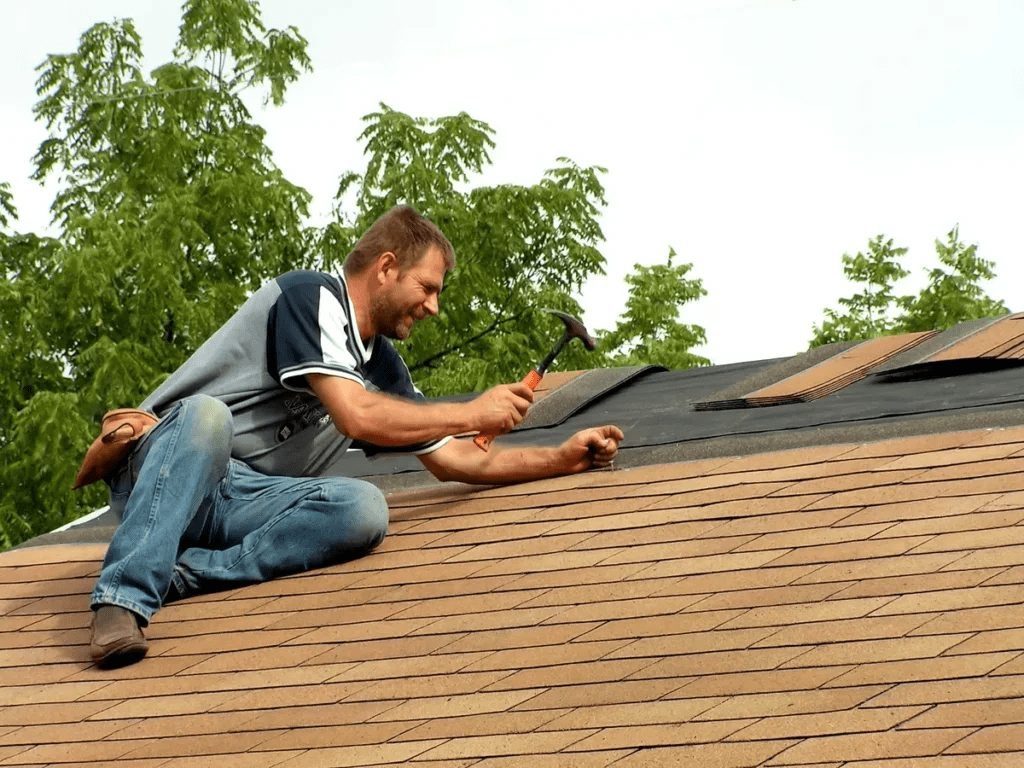
Roofing is more than nailing shingles. It includes tear-off, deck inspection, underlayment, flashing, ventilation, and precise shingle layout. Each layer must be installed correctly to prevent leaks for 15–30 years.
Read too: How To Replace A Mobile Home Roof: Step-by-Step Guide for Homeowners
For background on roofing systems and components, see:
https://en.wikipedia.org/wiki/Roof
A typical residential roof has 5–7 critical layers working together. A mistake in any one of them can cause water damage that costs thousands to fix.
How Physically Demanding Is DIY Roofing?
Roofing is considered one of the most physically demanding home projects.
What Your Body Will Experience
- Carrying 60–80 lb shingle bundles up a ladder
- Working 10–20 feet above ground for hours
- Kneeling on rough surfaces in heat
- Repetitive hammering or nail-gun use
- Balancing on slopes (often 4:12 to 9:12 pitch)
Professional roofers report burning 600–900 calories per hour during peak work.
Is Roofing Dangerous for Beginners?
Yes. Roofing ranks among the top causes of construction injuries.
Main Safety Risks
| Risk | Why It Happens | Consequence |
|---|---|---|
| Falls | Steep pitch, loose debris | Serious injury |
| Heat exhaustion | Long sun exposure | Dehydration |
| Nail gun injuries | Inexperience | Hand/foot punctures |
| Ladder slips | Improper setup | Broken bones |
Even experienced DIYers underestimate how quickly fatigue affects balance.
What Skills Do You Need Before Attempting It?
You don’t need to be a contractor, but you must be comfortable with:
- Using ladders safely
- Measuring and cutting straight lines
- Using a nail gun correctly
- Understanding how water flows on a roof
- Reading manufacturer instructions carefully
If you’ve never done framing, siding, or deck building, roofing will feel significantly harder.
How Long Does It Take to Roof Your Own House?
For a standard 1,500–2,000 sq ft home:
| Experience Level | Time Required |
|---|---|
| Professional crew | 1–2 days |
| Skilled DIYer | 4–6 days |
| Beginner | 7–10 days |
Weather delays can extend this timeline.
Tools and Materials You Must Have
Essential Tools
- Roofing nail gun + compressor
- Roofing shovel (tear-off tool)
- Harness and roof anchors
- Chalk line
- Utility knife
- Ladder stabilizer
Key Materials
- Drip edge
- Ice & water shield
- Synthetic underlayment
- Flashing
- Asphalt shingles
- Roofing nails
Missing even one of these can compromise the job.
Step-by-Step Overview of the Roofing Process
Step 1 — Tear Off Old Shingles
- Use roofing shovel
- Remove nails and debris
- Inspect plywood decking for rot
Step 2 — Install Drip Edge
- Along eaves first
- Then rake edges
- Overlap pieces by 2 inches
Step 3 — Apply Ice & Water Shield
- Install at roof edges and valleys
- Extend at least 24 inches inside exterior wall line
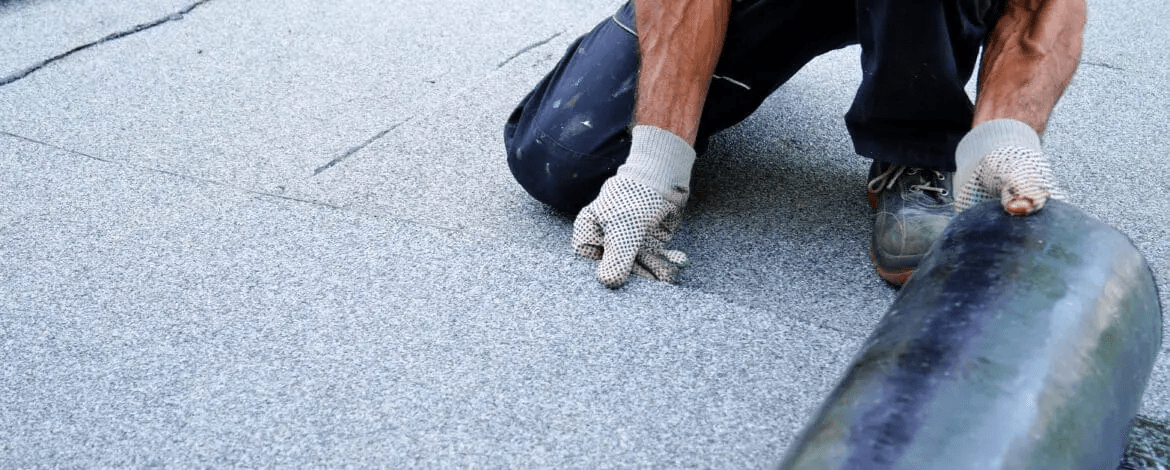
Step 4 — Lay Underlayment
- Roll horizontally
- Overlap rows by 4 inches
- Secure with cap nails
Step 5 — Install Flashing
- Around chimneys, vents, valleys
- Critical for leak prevention
Step 6 — Lay Starter Shingles
- Along eaves
- Adhesive strip facing up
Step 7 — Install Shingles
- Follow chalk lines
- Nail 4 nails per shingle
- Maintain consistent pattern
Step 8 — Ridge Cap Installation
- Cut shingles into caps
- Overlap toward prevailing wind
Common DIY Roofing Mistakes
| Mistake | Result |
|---|---|
| Crooked starter row | Entire roof looks uneven |
| Incorrect nailing pattern | Shingles blow off in wind |
| Poor flashing install | Hidden leaks |
| Skipping underlayment | Moisture damage |
| Working too fast | Safety risk |
These are the issues roofers are often hired to fix later.
How Much Money Do You Actually Save?
Average professional roofing cost: $8,000–$15,000
DIY material cost: $2,500–$5,000
Hidden Costs DIYers Forget
- Tool purchases ($500–$1,000)
- Dumpster rental
- Time off work
- Injury risk
- Mistake repairs
Savings are real, but only if the job is done correctly the first time.
When DIY Roofing Makes Sense
DIY roofing is reasonable if:
- Roof pitch is low (under 6:12)
- Roof size is small and simple
- You have previous construction experience
- Weather forecast is clear for a week
- You have a helper
When You Should Hire a Professional
Hire a roofer if:
- Roof is steep or multi-level
- There are skylights or complex valleys
- You’re uncomfortable with heights
- You lack time for a week-long project
Pros vs Cons of Roofing Your Own House
Pros
- Major cost savings
- Personal satisfaction
- Full control over materials
Cons
- High physical demand
- Serious safety risk
- Time consuming
- Easy to make costly mistakes
FAQ: How Hard Is It To Roof Your Own House
Q1: Can a beginner realistically do it?
Yes, but expect a steep learning curve and several long days of labor.
Q2: What roof type is easiest for DIY?
Simple gable roofs with low pitch and no valleys.
Q3: How dangerous is it really?
Falls are the biggest risk. Proper harness use is essential.
Q4: How long do DIY roofs last?
If installed correctly, as long as professional work (20–30 years).
Q5: What is the hardest part?
Flashing and keeping shingle lines perfectly straight.
Q6: Do I need a permit?
Often yes. Check local building codes before starting.
Conclusion
So, How Hard Is It To Roof Your Own House? It’s physically exhausting, technically precise, and potentially dangerous—but absolutely possible for the right person. With preparation, patience, and strict attention to safety, many homeowners complete successful DIY roofs and save thousands. If this guide helped you evaluate your decision, share it with others considering the same challenge.
Leave a Reply