If you’re researching How To Build A Roof Off Back Of House, you’re likely looking to add shade, protect your patio, or create a more functional outdoor living area. A roof extension can dramatically improve comfort while increasing property value.
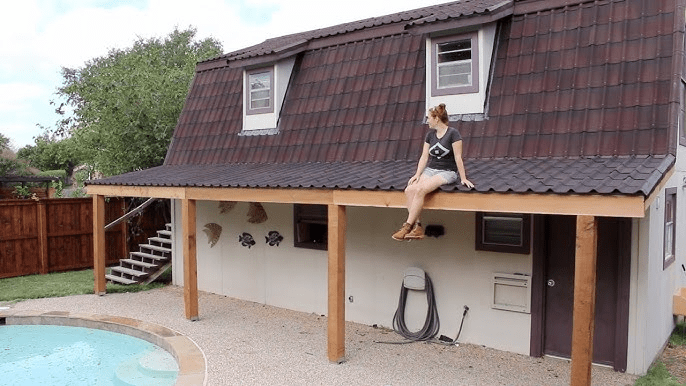
This comprehensive guide explains planning, permits, framing, materials, and installation—so you can build safely, correctly, and in compliance with U.S. building standards.
How To Build A Roof Off Back Of House: Where Do You Begin?
Before buying lumber, you must evaluate structure, codes, and drainage.
Read too: Hail Damage Roof Repair: Essential Guide to Restoring Your Home’s Protection
Attaching a roof to your house is not just cosmetic—it becomes part of your home’s structural system. Improper installation can lead to water damage or structural failure.
According to construction industry reports, improper ledger attachment is one of the leading causes of attached deck and roof failures.
Do You Need a Permit to Build a Roof Extension?
In most U.S. cities, yes.
Typical Permit Requirements:
- Structural plan approval
- Footing inspection
- Final inspection
- Electrical permit (if adding lighting or ceiling fans)
Permit fees usually range from $200–$800, depending on size and region.
Always confirm local building codes before beginning construction.
What Type of Roof Should You Build?
Your choice depends on budget, aesthetics, and climate.
Common Roof Types for Backyard Extensions
| Roof Type | Difficulty | Cost | Best Use |
|---|---|---|---|
| Shed (Lean-To) | Moderate | $$ | Small patios |
| Gable | Advanced | $$$ | Large areas |
| Hip Roof | Advanced | $$$$ | Premium designs |
A shed roof is the most practical option for DIY homeowners. It attaches directly to the house and slopes downward for drainage.
For structural terminology and roof types, see Wikipedia’s overview: https://en.wikipedia.org/wiki/Roof
What Materials Are Required?
Structural Components
- Pressure-treated 6×6 support posts
- 2×8 or 2×10 ledger board
- 2×6 or 2×8 rafters
- Double 2×10 beam
- Concrete mix (2–3 bags per footing)
- ½-inch exterior plywood
- Roofing materials (metal panels or shingles)
- Flashing and waterproof membrane
Tools
- Circular saw
- Power drill
- Impact driver
- 4-foot level
- Tape measure
- Post hole digger
How Deep Should Footings Be?
Footings must extend below the frost line.
General Guidelines:
- Warm climates: 12–18 inches
- Cold climates: 36–48 inches
Footing Installation Steps
- Dig holes at least 12 inches in diameter.
- Depth: Minimum 36 inches (verify local frost depth).
- Add 3 inches of gravel for drainage.
- Install metal post anchor.
- Pour approximately 2 cubic feet of concrete per hole.
- Allow 24–48 hours curing before framing.
Proper footing depth prevents shifting and cracking.
How To Attach Roof Off Back Of House Securely
This is the most important step in How To Build A Roof Off Back Of House.
Installing the Ledger Board
- Remove siding where ledger will mount.
- Install flashing to prevent water intrusion.
- Position ledger at correct height based on roof pitch.
- Secure using ½-inch lag bolts spaced every 16 inches.
- Attach directly into structural framing—not sheathing.
Improper flashing can cause long-term water damage behind walls.
How To Calculate Roof Pitch
Adequate slope ensures rainwater flows away from your house.
Minimum Pitch Recommendation:
¼ inch drop per foot of run.
Example:
If your roof extends 14 feet:
14 × 0.25 inches = 3.5 inches minimum drop.
In snow-heavy areas, use a 3:12 pitch for better shedding.
Step-by-Step Framing Process
Step 1: Install Support Posts
- Attach 6×6 posts to cured footings.
- Use temporary bracing to keep posts vertical.
- Minimum ceiling height: 7–8 feet.
Step 2: Install Header Beam
- Use doubled 2×10 lumber.
- Secure to posts with carriage bolts.
- Ensure beam is level across full span.
Step 3: Install Rafters
- Space rafters 16 inches on center.
- Attach to ledger using joist hangers.
- Secure to beam using hurricane ties for wind resistance.
Step 4: Install Sheathing
- Use ½-inch exterior plywood.
- Leave 1/8-inch gap between sheets.
- Nail every 6 inches along edges.
Step 5: Install Roofing Material
Options include:
- Asphalt shingles
- Corrugated metal panels
- Polycarbonate panels
Metal roofing is lightweight and easier for DIY installation.
Estimated Cost Breakdown
| Item | Estimated Cost |
|---|---|
| Lumber | $1,000–$2,000 |
| Roofing | $600–$1,500 |
| Hardware | $200–$400 |
| Permit | $200–$800 |
| Total DIY | $2,000–$4,700 |
Professional installation may cost $6,000–$15,000, depending on size and complexity.
Pros and Cons of Building a Roof Extension
Advantages
- Expands usable outdoor space
- Increases property value
- Protects patio furniture
- Enhances comfort year-round
Disadvantages
- Requires permits
- Structural complexity
- Risk of improper flashing
- Higher upfront cost
Common Mistakes to Avoid
- Skipping flashing installation
- Underestimating snow load requirements
- Incorrect rafter spacing
- Not checking local codes
- Using undersized beams
Structural safety should always take priority over appearance.
Is DIY Realistic for Beginners?
DIY is possible if you:
- Have framing experience
- Understand structural load distribution
- Are comfortable working at heights
If unsure, hiring a licensed contractor ensures safety and compliance.
FAQ: How To Build A Roof Off Back Of House
Q1: Can I attach a roof without removing siding?
No. The ledger must attach directly to framing members, and flashing must be installed behind siding.
Q2: What is the best roofing material?
Metal panels are lightweight and durable. Shingles match your existing roof aesthetically.
Q3: How long does the project take?
DIY projects typically take 4–8 days depending on complexity and weather.
Q4: Do I need structural screws?
Yes. Use ½-inch lag bolts or approved structural screws rated for load-bearing connections.
Q5: Does this add home value?
Outdoor living improvements typically return 60–75% ROI depending on market conditions.
Conclusion
Learning How To Build A Roof Off Back Of House allows you to transform your backyard into a functional, comfortable outdoor space. With proper planning, strong structural attachment, and attention to waterproofing, this project can increase both usability and property value.
If this guide helped you, consider sharing it on social media or bookmarking it for your project planning. Careful preparation leads to safer construction and long-term durability.
Leave a Reply