If you’ve traveled through Arizona, Nevada, or parts of Southern California, you’ve probably noticed a pattern: many homes have flat roofs. Naturally, you might wonder, Why Do Houses In The Desert Have Flat Roofs?
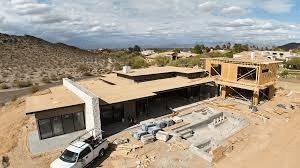
The answer isn’t accidental. Desert architecture evolved in response to extreme heat, minimal rainfall, cultural tradition, and practical construction methods. In this guide, we’ll break down the real reasons flat roofs dominate desert regions—and whether they’re truly the best option.
Read too: Hail Damage Roof Repair: Essential Guide to Restoring Your Home’s Protection
Why Do Houses In The Desert Have Flat Roofs?
The primary reasons desert homes use flat roofs include:
- Low annual rainfall
- Minimal snow accumulation
- Traditional adobe and Pueblo architecture
- Energy efficiency benefits
- Lower material and framing complexity
- Ease of rooftop access
Unlike regions with heavy rain or snow, desert climates don’t require steep slopes for rapid water runoff. This makes flat roofs both practical and historically consistent.
Is It Because There’s Very Little Rain?
Yes — climate is the biggest factor.
Desert regions typically receive less than 10 inches of rain per year. For example:
- Phoenix, Arizona averages about 8 inches annually
- Las Vegas averages around 4 inches annually
Compare that to cities like Miami (over 60 inches annually) or Seattle (around 37 inches annually).
Because rainfall is minimal, homes don’t need steep roof pitches to shed water quickly. Flat roofs are actually slightly sloped—usually about ¼ inch per foot—to allow drainage without requiring visible pitch.
How Does Desert Climate Influence Roof Design?
Deserts are defined by:
- Intense solar radiation
- Large temperature swings
- Low humidity
- Rare but sudden heavy rainstorms
Flat roofs are well-suited to these conditions because they:
- Allow installation of reflective coatings
- Provide space for HVAC systems
- Support solar panels easily
- Reduce material usage
Desert architecture evolved for heat control, not snow management.
What Role Does Adobe Architecture Play?
Flat roofs are deeply rooted in traditional adobe construction.
Indigenous and early Spanish settlers built homes using:
- Sun-dried mud bricks (adobe)
- Thick insulating walls
- Wooden beams supporting flat roof structures
You can learn more about this architectural tradition here:
https://en.wikipedia.org/wiki/Adobe
Adobe homes were designed for:
- Thermal mass insulation
- Minimal rainfall management
- Simple construction using local materials
Modern desert homes still reflect this design language, even when built with concrete and steel.
Do Flat Roofs Keep Homes Cooler?
Yes — when designed properly.
Desert homes often use:
- White or reflective roof coatings
- Foam roofing systems
- Insulated roof decks
According to the U.S. Department of Energy:
- Reflective roofs can reduce surface temperatures by up to 50°F
- Cooling energy demand may drop by 10–15% in hot climates
Because deserts experience prolonged heat exposure, energy efficiency becomes a top priority.
Flat roofs provide an ideal surface for cool roof technology.
Are Flat Roofs Cheaper to Build?
In many cases, yes.
Flat roof construction generally requires:
- Fewer framing materials
- Less structural complexity
- Simpler geometry
Cost Comparison Example (2,000 sq ft home)
| Roof Type | Estimated Installation Cost |
|---|---|
| Flat Roof | $8,000–$18,000 |
| Pitched Roof | $12,000–$25,000 |
However, flat roofs may require more frequent membrane maintenance compared to metal pitched roofs.
What About Sudden Desert Storms?
Deserts do experience occasional intense rainfall during monsoon season.
To handle this, flat roofs are designed with:
- Tapered insulation for drainage
- Scuppers (side drains)
- Internal drainage systems
- Waterproof membranes
Proper installation is critical.
When flat roofs fail, it’s usually due to poor drainage planning—not the flat design itself.
Are Flat Roofs Strong Enough for Wind?
Yes, when engineered correctly.
Flat roofs actually perform well in high-wind environments because:
- There is less surface area for uplift
- Wind flows over rather than under steep slopes
- Proper anchoring reduces risk
In hurricane-prone areas, low-slope roofs can outperform poorly constructed steep roofs.
Pros and Cons of Flat Roofs in Desert Areas
Advantages
✔ Ideal for low rainfall
✔ Energy efficient with reflective coating
✔ Solar panel friendly
✔ Easier rooftop maintenance
✔ Lower framing cost
Disadvantages
✖ Drainage must be maintained
✖ Membrane replacement every 20–30 years
✖ Less attic space
✖ Can retain heat if not insulated properly
How Are Desert Flat Roofs Built? (Step-by-Step Overview)
Understanding construction helps you evaluate quality.
Step 1: Structural Frame
Wood or steel joists form the support system.
Step 2: Install Roof Deck
Plywood or concrete surface is secured.
Step 3: Create Slope
Tapered insulation provides at least ¼ inch per foot slope.
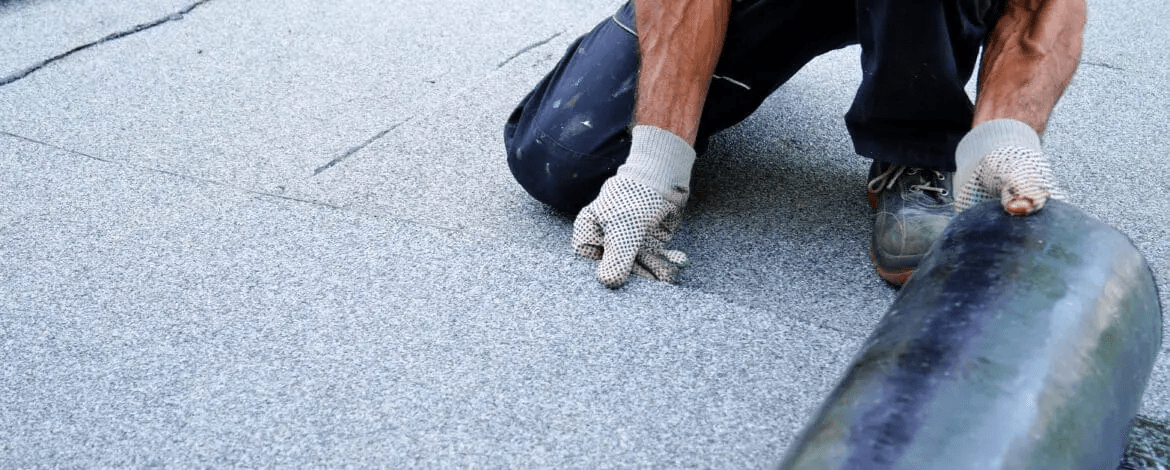
Step 4: Apply Waterproof Membrane
Common options include:
- TPO
- EPDM
- Modified bitumen
- Spray polyurethane foam
Step 5: Add Reflective Coating
Enhances UV resistance and cooling performance.
Step 6: Install Drainage
Scuppers or internal drains direct water away.
Each step ensures durability in harsh desert conditions.
Why Don’t Desert Homes Use Steep Roofs?
Steep roofs are primarily beneficial in:
- Snow-heavy regions
- High-rainfall climates
Deserts typically do not require rapid shedding of snow or constant rain.
Additionally:
- Steep roofs increase material cost
- They may trap hot air under attic space
- They don’t align with traditional Southwest aesthetics
Flat roofs blend into desert landscapes more naturally.
Are Flat Roofs Better for Solar Panels?
Absolutely.
Flat roofs allow:
- Adjustable solar panel tilt
- Maximum sun exposure optimization
- Easier installation and maintenance
Desert states rank among the top U.S. regions for solar potential.
Flat roofing systems simplify solar energy upgrades.
Does Roof Design Affect Property Value in Desert Regions?
Yes.
In many Southwest communities:
- Flat roofs are architecturally expected.
- Buyers prefer desert-style homes that match the environment.
- Consistent neighborhood design improves resale appeal.
Installing a steep roof in a traditional flat-roof area may reduce aesthetic cohesion.
How Long Do Flat Roofs Last in Desert Climates?
Lifespan depends on material:
| Roofing Material | Average Lifespan |
|---|---|
| TPO | 20–30 years |
| Modified Bitumen | 20–25 years |
| Spray Foam | 25–30 years |
| Metal (low-slope) | 40+ years |
Routine inspection extends lifespan significantly.
FAQ Section
1. Why do houses in the desert have flat roofs?
They are practical for low rainfall climates, culturally traditional, energy efficient, and cost-effective to build.
2. Do flat roofs leak more in desert areas?
Not if properly installed. Good drainage systems and waterproof membranes prevent leaks.
3. Are flat roofs better in hot climates?
Yes. Reflective coatings and insulation help reduce heat absorption and cooling costs.
4. Can flat roofs handle heavy rain?
Yes, when built with proper slope and drainage systems.
5. Are flat roofs cheaper than pitched roofs?
Often yes, due to simpler framing and reduced material requirements.
6. Do flat roofs require more maintenance?
They require routine drainage inspection, but they are easier to access than steep roofs.
Conclusion
So, Why Do Houses In The Desert Have Flat Roofs?
The answer combines climate logic, cultural heritage, cost efficiency, and modern energy performance.
Flat roofs:
- Match low rainfall conditions
- Reflect desert architectural tradition
- Improve solar and energy efficiency
- Reduce construction complexity
Desert architecture is not accidental—it’s carefully adapted to environmental reality.
If you found this guide helpful, consider sharing it on social media to help others understand the smart design behind desert homes.
Leave a Reply