Thinking about Attaching A Roof To The Side Of A House for a patio, porch, carport, or room addition? It’s a popular upgrade that adds shade, protection, and usable space—but it must be done correctly to avoid leaks and structural damage.
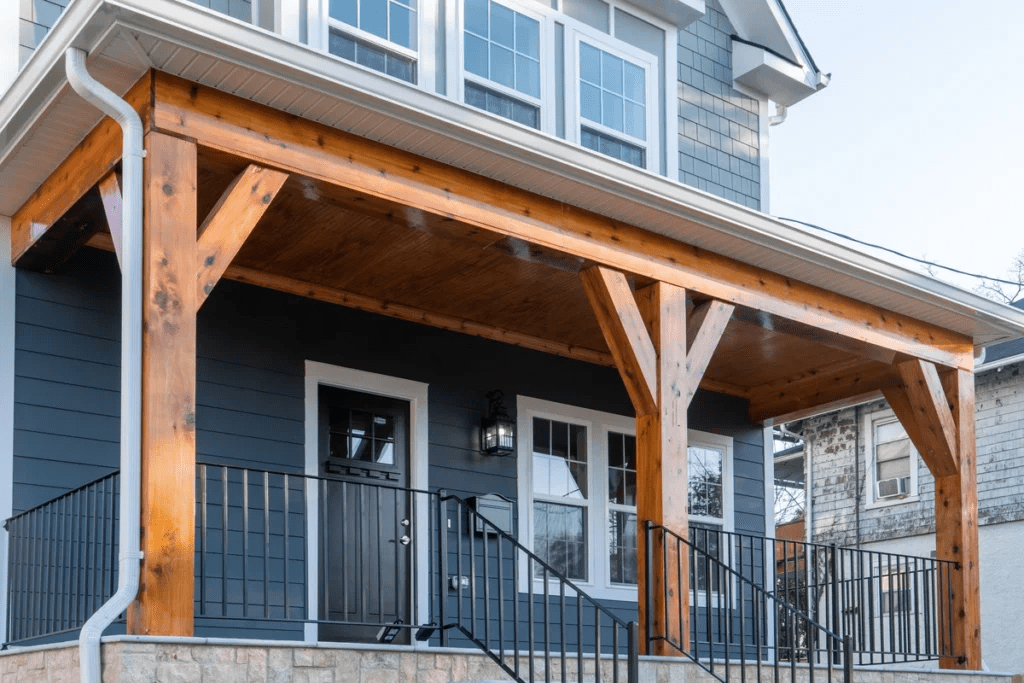
Whether you’re planning a DIY project or hiring a contractor, this comprehensive guide explains structural requirements, flashing methods, permits, and step-by-step installation basics.
Read too: How Long Do Standing Seam Metal Roofs Last? A Comprehensive Guide to Durability and Longevity
What Does Attaching A Roof To The Side Of A House Mean?
Attaching A Roof To The Side Of A House typically refers to building a roof structure that connects directly to an existing exterior wall.
Common examples include:
- Lean-to roof
- Patio cover
- Porch roof
- Carport
- Shed roof addition
These roofs are usually supported by:
- A ledger board attached to the house
- Rafters extending outward
- Support posts and beams
For general background on roof structures, see:
https://en.wikipedia.org/wiki/Roof
Understanding roof framing basics helps ensure safe construction.
Is It Safe To Attach A Roof To An Existing House?
Yes—if done correctly.
However, improper installation can cause:
- Water intrusion
- Structural weakening
- Foundation stress
- Mold growth
Building codes typically require proper flashing, structural support, and load calculations.
Always check local regulations before starting.
Do You Need A Permit?
In most U.S. municipalities, yes.
Permits are typically required if:
- The structure is permanent
- The roof is attached to the home
- The project exceeds a certain square footage
Skipping permits can lead to:
- Fines
- Failed home inspections
- Insurance issues
Contact your local building department before construction.
What Type Of Roof Is Best For Side Attachment?
The most common style is a lean-to roof (also called a shed roof).
Why Lean-To Roofs Work Well:
- Simple slope design
- Easy water runoff
- Cost-effective
- Efficient framing
Other options include:
- Gable extensions
- Hip roof tie-ins
- Flat roof additions
Lean-to designs are typically the simplest for homeowners.
Structural Considerations Before Attaching A Roof
Before attaching a roof, evaluate:
1. Wall Structure
The wall must be:
- Structurally sound
- Capable of supporting load
- Free of rot or damage
Attaching to brick or concrete requires special anchors.
2. Load Calculations
Your roof must handle:
- Snow load (in northern states)
- Wind uplift
- Rain accumulation
Improper load calculations can cause sagging or collapse.
3. Roof Pitch
A minimum slope is required for proper drainage.
Typical pitch:
- 2:12 minimum for low-slope
- 3:12 or higher recommended
Steeper slopes improve runoff.
Step-by-Step Guide: Attaching A Roof To The Side Of A House
This overview provides a simplified explanation. Complex projects should involve professionals.
Step 1: Install The Ledger Board
The ledger board is critical.
- Remove siding where ledger will attach.
- Position ledger directly onto structural framing.
- Secure with lag bolts or structural screws.
- Seal properly to prevent water intrusion.
Ledger must attach to house framing—not just siding.
Step 2: Install Flashing
Proper flashing prevents leaks.
- Install metal flashing behind siding and over ledger.
- Use step flashing along roof-wall intersection.
- Seal joints carefully.
Improper flashing is the most common cause of leaks.
Step 3: Install Rafters
Attach rafters to:
- Ledger board
- Beam supported by posts
Spacing typically:
- 16 inches on center
- 24 inches on center for lighter loads
Use hurricane ties in high-wind regions.
Step 4: Install Roof Sheathing
Cover rafters with:
- ½-inch or ⅝-inch plywood
- Secure with proper fasteners
Ensure even surface before roofing material.
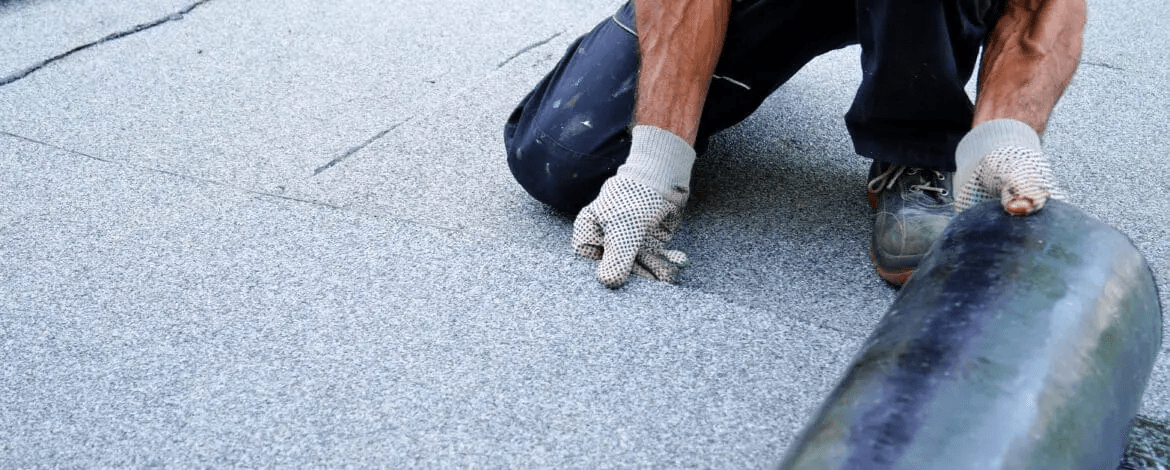
Step 5: Add Underlayment
Apply roofing underlayment for moisture protection.
Overlap sections by 4–6 inches.
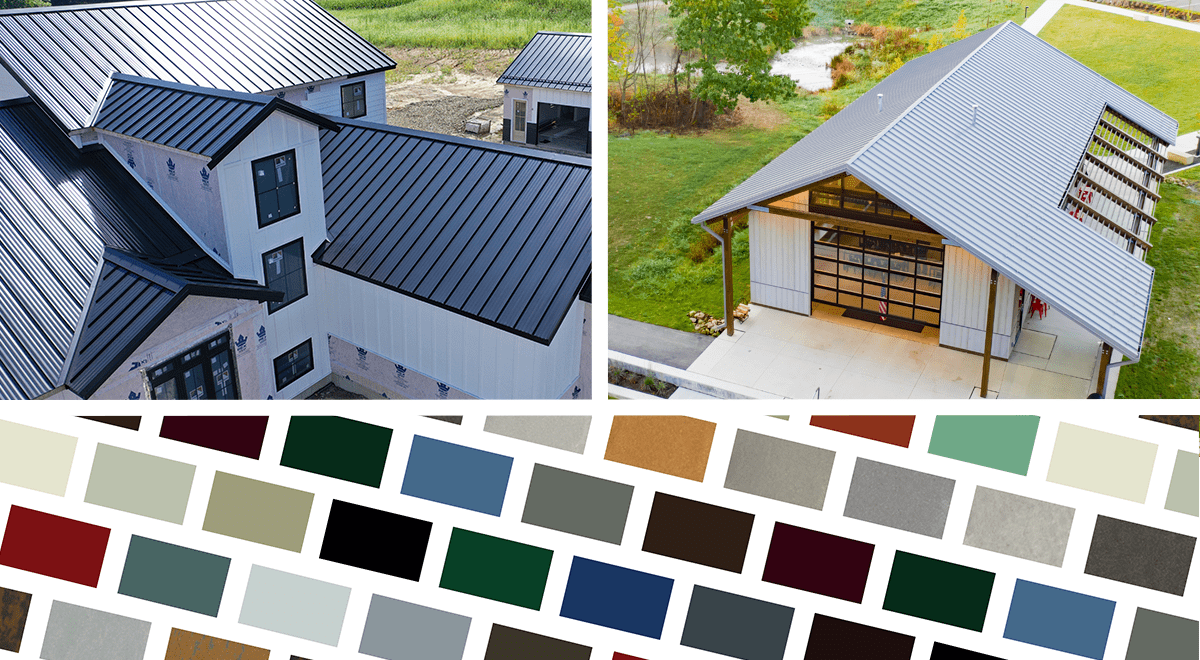
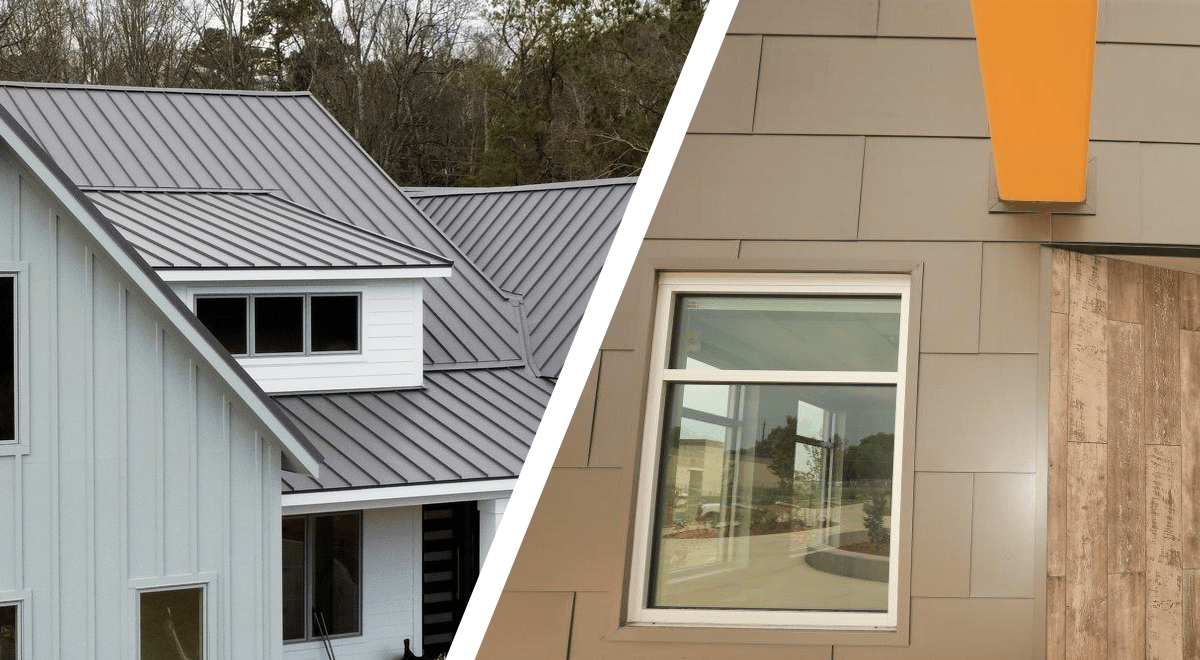
Step 6: Install Roofing Material
Options include:
- Asphalt shingles
- Metal panels
- Polycarbonate panels
- Corrugated roofing
Match materials to existing roof for visual consistency.
Common Mistakes To Avoid
Avoid these errors:
- Attaching ledger to siding only
- Skipping flashing
- Improper pitch
- Using undersized fasteners
- Ignoring local snow load requirements
Small mistakes can lead to major structural damage.
How Much Does It Cost?
Costs vary based on size and materials.
Estimated Range:
| Project Type | Average Cost |
|---|---|
| Small patio roof | $1,500–$4,000 |
| Carport | $3,000–$8,000 |
| Room extension roof | $5,000–$15,000 |
Labor accounts for 40%–60% of total cost.
Pros vs Cons Of Attaching A Roof To The Side Of A House
Advantages:
- Adds covered outdoor space
- Increases property value
- Improves curb appeal
- Protects entryways
Disadvantages:
- Requires permits
- Risk of leaks if poorly installed
- Structural complexity
- May affect resale if not permitted
Will Attaching A Roof Increase Home Value?
In many cases, yes.
Covered outdoor areas are desirable features.
Particularly valuable for:
- Warm climates
- Outdoor living areas
- Patio extensions
However, unpermitted work may reduce value.
Can You Attach A Roof To Brick Or Stucco?
Yes, but additional steps are required.
Use:
- Masonry anchors
- Proper flashing techniques
- Waterproof sealing
Drilling into masonry requires precision.
How Long Does Installation Take?
Small lean-to roof:
- 1–3 days
Larger structural additions:
- 1–2 weeks
Time depends on complexity and weather conditions.
Should You Hire A Contractor?
Hire a contractor if:
- Roof connects to second story
- Structural load calculations are required
- You’re unfamiliar with framing
- Permit inspections are needed
DIY may be suitable for small patio covers.
FAQ – Attaching A Roof To The Side Of A House
1. Do I need to remove siding?
Yes, ledger boards must attach to structural framing—not siding.
2. What is the best roof type for side attachment?
Lean-to (shed) roofs are most common and easiest to build.
3. Can I attach a roof without posts?
Rarely. Most designs require support posts and beams.
4. How do I prevent leaks?
Proper flashing and waterproof sealing are critical.
5. Does attaching a roof void warranty?
Improper attachment may void roof or siding warranties.
6. How steep should the roof slope be?
At least 2:12, though steeper is better for drainage.
Conclusion
Attaching A Roof To The Side Of A House can transform your home by adding functional outdoor space and improving property value.
Success depends on:
- Proper structural support
- Secure ledger installation
- Correct flashing
- Permit compliance
- Appropriate slope and drainage
When done properly, a side-attached roof provides long-term protection and visual appeal.
If this guide helped you understand the process, consider sharing it with other homeowners planning similar projects.
Leave a Reply