If you’re dealing with water dripping from the ceiling, you’re probably asking: Can You Claim For Leaking Roof On House Insurance? It’s a stressful situation. Roof leaks can damage drywall, insulation, flooring, and even your home’s structure.
The answer isn’t always simple. Insurance may cover your leaking roof—but only under specific conditions. In this complete guide, you’ll learn when claims are approved, when they’re denied, and how to maximize your chances of getting paid.
Read too: Hail Damage Roof Repair: Essential Guide to Restoring Your Home’s Protection
Can You Claim For Leaking Roof On House Insurance? (Quick Answer)
The short answer: Yes—if the leak was caused by sudden and accidental damage.
Homeowners insurance generally covers unexpected events, not wear and tear. That distinction is critical.
For background, homeowners insurance policies typically cover dwelling damage from named perils such as windstorms, hail, fire, or falling objects. You can learn more about policy basics here:
https://en.wikipedia.org/wiki/Home_insurance
Let’s break it down clearly.
When Does Insurance Cover a Leaking Roof?
Insurance usually covers roof leaks caused by:
- Windstorm damage
- Hail impact
- Fallen tree branches
- Fire damage
- Vandalism
Example:
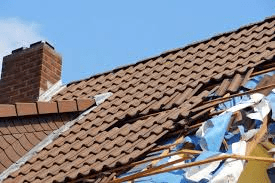
If a storm tears shingles off your roof and rain enters your attic the same day, this is typically covered.
Why?
Because the event was:
- Sudden
- Accidental
- External
Most standard HO-3 policies in the U.S. operate this way.
When Is a Roof Leak NOT Covered?
This is where many homeowners get surprised.
Insurance usually denies claims caused by:
- Old age
- Lack of maintenance
- Gradual deterioration
- Mold from long-term leaks
- Improper installation
If your 20-year-old roof slowly deteriorated over time, the insurer may consider it “normal wear and tear.”
What Insurance Adjusters Look For
When you file a claim, an adjuster investigates.
They assess:
- Roof age
- Maintenance history
- Type of damage
- Weather reports
- Visible impact marks
Insurance companies often compare your claim date with local weather data to verify storm activity.
Roof Age Matters More Than You Think
Many insurers apply different settlement rules based on roof age.
Replacement Cost Value (RCV)
- Pays full replacement cost (minus deductible)
Actual Cash Value (ACV)
- Pays depreciated value
If your roof is older than 15–20 years, insurers may switch to ACV payout only.
How to File a Roof Leak Claim (Step-by-Step)
If you believe your situation qualifies, follow this process carefully.
Step 1: Stop Further Damage Immediately
Insurance policies require mitigation.
Actions to take:
- Place buckets under leaks
- Cover exposed roof areas with tarp
- Remove wet furniture
Failure to prevent further damage can reduce payout.
Step 2: Document Everything
Use your phone to:
- Photograph interior ceiling damage
- Capture exterior roof condition
- Record active water intrusion
Take wide and close-up shots.
Step 3: Contact Your Insurance Company
Call your insurer as soon as possible.
Provide:
- Date of damage
- Cause (storm, wind, etc.)
- Description of visible damage
Ask for a claim number.
Step 4: Get a Roofing Inspection
Hire a licensed roofing contractor to inspect damage.
They will:
- Identify storm impact
- Provide repair estimate
- Document compromised shingles
Independent contractor documentation strengthens your claim.
Step 5: Meet the Adjuster
When the adjuster arrives:
- Provide photos
- Share contractor report
- Ask questions about coverage
Be present during inspection if possible.
How Much Will Insurance Pay?
Average roof replacement costs in the U.S. range from:
- $5,000 to $12,000 (asphalt shingles)
- $8,000 to $20,000 (metal roofing)
Insurance payout depends on:
- Deductible amount
- Coverage type (RCV vs ACV)
- Roof age
- Extent of damage
If your deductible is $1,500 and repairs cost $10,000, insurance may pay $8,500 (under RCV).
Should You Always File a Claim?
Not necessarily.
Consider these factors:
File a Claim If:
✔ Damage exceeds deductible significantly
✔ Structural damage exists
✔ Water entered living spaces
Avoid Filing If:
✖ Repair cost barely exceeds deductible
✖ Damage is cosmetic only
✖ Roof is near end-of-life
Frequent claims can increase premiums.
What If Only Part of the Roof Is Damaged?
Insurance may cover:
- Sectional repairs
- Slope replacement
- Partial shingle replacement
However, matching issues arise.
Some states require insurers to match shingles for uniform appearance.
Real-Life Case Example
A homeowner in Colorado experienced hail damage after a spring storm.
- Roof age: 12 years
- Damage: 30% shingle impact
- Policy type: RCV
Insurance covered full roof replacement minus $1,000 deductible.
Why approved?
Because hail damage was sudden and documented.
How to Avoid Claim Denial
Here are proactive steps:
- Maintain roof annually
- Keep repair receipts
- Clean gutters regularly
- Replace missing shingles promptly
- Document storm events immediately
Maintenance records show responsible ownership.
Common Claim Denial Reasons
| Reason | Why Denied |
|---|---|
| Wear & tear | Not sudden |
| Poor maintenance | Owner responsibility |
| Old roof | High depreciation |
| Mold growth | Gradual damage |
Understanding these reasons helps you prepare.
Should You Replace the Roof Before Filing?
No. Always allow adjuster inspection first.
Emergency tarping is acceptable—but full replacement before inspection may complicate your claim.
FAQ: Can You Claim For Leaking Roof On House Insurance
1. Will homeowners insurance pay for a leaking roof?
Yes, if the leak was caused by a covered peril like wind, hail, or falling debris.
2. Does insurance cover old roof leaks?
Generally no. Damage from aging or neglect is usually excluded.
3. How long do I have to file a roof leak claim?
Most policies require filing within days or weeks of the event. Check your specific policy.
4. Will filing a roof claim raise my premium?
It can. Especially if multiple claims occur within a few years.
5. What if insurance denies my roof claim?
You can:
- Request a reinspection
- Provide contractor evidence
- Hire a public adjuster
- File an appeal
6. Does insurance cover interior water damage?
Yes, if the roof leak resulted from a covered event.
Conclusion
So, Can You Claim For Leaking Roof On House Insurance? Yes—but only when the damage is sudden and accidental, not from age or neglect.
The key is documentation, quick action, and understanding your policy coverage type. Filing smartly can save thousands in repair costs, but unnecessary claims can raise your premiums.
If this guide helped clarify your situation, share it on social media to help other homeowners navigate roof insurance claims with confidence.

Leave a Reply