If you’re searching for How To Fix A Flat Roof On A House, chances are you’ve noticed a leak, ponding water, or bubbling in your roofing membrane. Flat roofs are durable, but they require different repair techniques than sloped roofs.
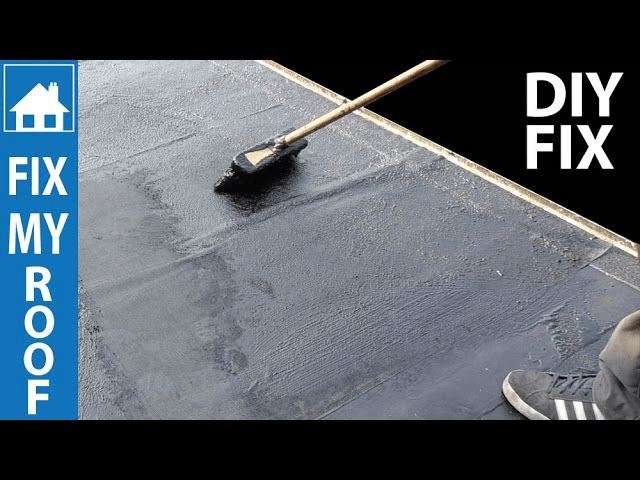
The good news? Many flat roof problems can be repaired without full replacement—if caught early. In this complete step-by-step guide, you’ll learn how to diagnose the issue, choose the correct repair method, and fix your flat roof safely and effectively.
Read too: Is It Reasonable to Ask the Seller to Replace the Roof?
How To Fix A Flat Roof On A House: Identify the Problem First
Before making repairs, you must identify the root cause.
Flat roof issues typically include:
- Ponding water
- Membrane cracks
- Blisters or bubbles
- Seam separation
- Flashing damage
- Roof punctures
Flat roofs are not completely flat. They have a slight slope (typically ¼ inch per foot) to allow drainage.
For general information on roof systems, see:
https://en.wikipedia.org/wiki/Roof
What Type of Flat Roof Do You Have?
Repair method depends on material.
Common Flat Roof Types
- EPDM (Rubber Roofing)
- TPO (Thermoplastic)
- Modified Bitumen
- Built-Up Roofing (BUR)
Each material requires different repair products.
Signs Your Flat Roof Needs Repair
Watch for:
- Water stains on ceilings
- Mold smell in attic
- Soft spots on roof
- Standing water 48 hours after rain
- Visible cracks or tears
Early detection reduces repair cost significantly.
Safety First: Before Climbing the Roof
Flat roofs may look safer than pitched roofs, but hazards remain.
Checklist:
- Dry weather only
- Non-slip shoes
- Sturdy ladder
- Gloves
- Eye protection
Never work alone.
Step-by-Step: How To Fix A Flat Roof On A House
Now let’s break it down clearly.
Step 1: Locate the Leak Source
Water can travel under roofing membrane before dripping inside.
To identify:
- Inspect roof surface visually.
- Check around vents and flashing.
- Look for cracks or open seams.
- Perform controlled hose test if needed.
Mark damaged areas with chalk.
Step 2: Clean the Damaged Area
Proper adhesion requires a clean surface.
- Remove debris.
- Scrub area with mild detergent.
- Rinse with water.
- Allow to dry completely.
Moisture prevents sealant bonding.
Step 3: Repair Based on Roof Type
Here’s how to fix each type.
EPDM Rubber Roof Repair
Materials needed:
- EPDM patch kit
- Rubber primer
- Seam tape
Process:
- Apply primer to damaged area.
- Cut patch 2 inches larger than tear.
- Press patch firmly into place.
- Roll with seam roller to remove air bubbles.
Allow curing time per manufacturer instructions.
TPO Roof Repair
Materials:
- TPO patch
- Heat welder (or adhesive if approved)
Process:
- Clean and dry surface.
- Cut patch 2 inches larger than damage.
- Heat weld patch to existing membrane.
- Check edges for full seal.
Heat welding requires skill.
Modified Bitumen Repair
Materials:
- Roofing cement
- Reinforcing fabric
- Trowel
Process:
- Apply roofing cement over crack.
- Embed reinforcing fabric.
- Apply second coat over fabric.
- Smooth evenly.
Allow 24–48 hours curing.
Built-Up Roof (BUR) Repair
Materials:
- Asphalt roof cement
- Fiberglass mesh
Similar process to modified bitumen.
Step 4: Fix Ponding Water Issues
Standing water shortens roof lifespan.
Solutions:
- Clear clogged drains
- Add tapered insulation
- Install additional drain (professional job)
Temporary fix:
Apply roof coating to reinforce low areas.
Step 5: Reseal Flashing
Check flashing around:
- HVAC units
- Chimneys
- Skylights
Apply roofing sealant around loose edges.
How Much Does Flat Roof Repair Cost?
DIY patch repair:
- $50 – $300
Professional repair:
- $300 – $1,500
Full replacement:
- $5,000 – $15,000
Early repair prevents costly replacement.
How Long Does a Flat Roof Repair Last?
Temporary patch:
- 1–3 years
Professional membrane repair:
- 5–10 years
Full roof lifespan:
- EPDM: 20–30 years
- TPO: 15–25 years
- Modified bitumen: 20 years
When Should You Replace Instead of Repair?
Consider replacement if:
- Multiple leaks present
- Roof over 20 years old
- Extensive membrane cracking
- Structural water damage
Repeated patching may cost more long-term.
Pros and Cons of DIY Flat Roof Repair
Pros
- Cost savings
- Immediate leak control
- Simple minor repairs
Cons
- Risk of improper sealing
- Safety hazards
- May void warranty
Professional repair is safer for large damage areas.
Maintenance Tips to Prevent Future Damage
- Inspect roof twice per year
- Remove debris regularly
- Clear drains
- Check seams annually
- Apply reflective coating every 5 years
Routine maintenance extends lifespan significantly.
FAQ – How To Fix A Flat Roof On A House
1. Can I fix a flat roof leak myself?
Yes, for small cracks or punctures. Larger damage may require professional help.
2. What is the best sealant for flat roofs?
It depends on material—EPDM requires rubber-compatible products.
3. How long does flat roof repair last?
Minor repairs may last 1–5 years depending on quality.
4. Why does water pool on my flat roof?
Poor drainage or sagging insulation causes ponding.
5. Is a flat roof more prone to leaks?
Not necessarily, but drainage must function properly.
6. How often should flat roofs be inspected?
At least twice per year and after major storms.
Conclusion
Understanding How To Fix A Flat Roof On A House starts with identifying the roofing material and damage type. Small cracks, seam separations, and minor ponding can often be repaired with proper patch kits and sealants.
However, safety should always come first. If damage is extensive or structural integrity is compromised, professional repair or replacement may be the smarter investment.
With proper maintenance and timely repairs, a flat roof can last decades. If this guide helped you plan your repair project, consider sharing it with other homeowners facing flat roof challenges.
Leave a Reply