A leaking roof can turn into a homeowner’s worst nightmare. Water stains, mold growth, and structural damage can escalate quickly if ignored. If you’re searching for How To Fix A Leaky Roof On A House, you’re likely dealing with an urgent problem—and you need a solution that works.
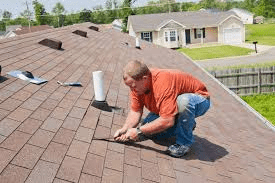
The good news? Many roof leaks can be repaired without replacing the entire roof. In this comprehensive guide, you’ll learn how to identify the source, fix it properly, and prevent it from happening again.
Read too: Is It Reasonable to Ask the Seller to Replace the Roof?
What Causes a Roof to Leak?
Before you start repairs, you need to understand why the leak happened. According to the National Roofing Contractors Association, most residential roof leaks are caused by:
- Damaged or missing shingles
- Cracked flashing
- Clogged gutters
- Improper roof installation
- Aging materials (20+ years old roofs are most vulnerable)
Water often enters through weak points around chimneys, vents, skylights, and valleys.
For a deeper technical overview of roof structures, see this authoritative explanation on roofing systems from Wikipedia:
https://en.wikipedia.org/wiki/Roof
How Do You Find the Source of a Roof Leak?
Finding the source is often harder than fixing it.
Step 1: Check Inside the House
- Look for water stains on ceilings.
- Inspect attic insulation for damp spots.
- Use a flashlight to find mold or rot.
- Follow water trails upward (water travels before dripping).
Step 2: Perform a Controlled Water Test
If the source isn’t obvious:
- Have someone stay inside.
- Use a garden hose outside.
- Spray sections for 5–10 minutes at a time.
- Wait for water to appear inside.
Tip: Work from the lowest section upward to isolate the leak efficiently.
What Tools and Materials Do You Need?
Here’s a practical checklist:
| Tools | Materials |
|---|---|
| Ladder (stable, 20 ft) | Roofing cement |
| Safety harness | Replacement shingles |
| Utility knife | Flashing |
| Hammer | Roofing nails |
| Pry bar | Waterproof sealant |
| Caulking gun | Roofing tape |
Estimated cost: $50–$200 for small repairs.
How To Fix A Leaky Roof On A House (Step-by-Step)
1. Fix Damaged or Missing Shingles
This is the most common issue.
Steps:
- Lift surrounding shingles carefully.
- Remove damaged shingle with pry bar.
- Remove nails.
- Slide new shingle into place.
- Secure with 4 roofing nails.
- Apply roofing cement under edges.
Pro Tip: Work in temperatures between 40–85°F for best adhesion.
2. Repair Cracked Flashing
Flashing seals joints around chimneys and vents.
If flashing is cracked:
- Remove old caulking.
- Apply roofing cement.
- Replace flashing if severely corroded.
Temporary fix: Use roofing tape for emergency situations.
3. Seal Small Holes or Cracks
For nail holes or minor punctures:
- Clean debris from area.
- Apply waterproof roofing sealant.
- Spread evenly using putty knife.
- Let dry 24 hours before rain exposure.
Small cracks can be fixed in under 30 minutes.
4. Repair Roof Vent Leaks
Roof vent boots often crack over time.
Steps:
- Remove shingles around vent.
- Take off damaged vent boot.
- Install new rubber boot.
- Reseal edges with roofing cement.
Cost: $10–$30 per vent.
Emergency Fix: How to Stop a Leak Fast
If rain is actively entering:
- Place a bucket inside.
- Puncture ceiling bulge to release water pressure.
- Cover roof with heavy-duty tarp (at least 6 mil thickness).
- Secure tarp with wooden boards and screws.
This prevents further damage while you plan permanent repair.
Should You Repair or Replace the Roof?
Here’s a quick comparison:
Repair vs Replace
Repair – Best If:
- Roof is under 15 years old
- Damage is localized
- Budget is limited
- No widespread sagging
Replace – Best If:
- Roof is over 20 years old
- Multiple leaks exist
- Structural damage found
- Mold widespread
Average Costs (U.S. 2025):
- Minor repair: $150–$1,000
- Full replacement: $8,000–$15,000
Safety Tips Before Climbing the Roof
Roof repair is dangerous. The CDC reports over 150,000 ladder-related injuries annually in the U.S.
Follow these safety guidelines:
- Never work alone
- Use a safety harness
- Avoid wet or windy conditions
- Wear rubber-soled shoes
- Use ladder stabilizers
If your roof pitch is steeper than 6:12, consider hiring a professional.
How Long Does Roof Repair Last?
Properly installed repairs can last:
- Shingle patch: 5–10 years
- Flashing repair: 10+ years
- Sealant patch: 2–5 years
However, poor installation may fail within months.
Regular inspection twice per year (spring & fall) can extend roof life significantly.
How to Prevent Future Roof Leaks
Prevention is cheaper than repair.
Maintenance Checklist
- Clean gutters every 3–6 months
- Trim overhanging branches
- Inspect after major storms
- Replace cracked shingles immediately
- Check attic ventilation
Case Study:
A homeowner in Texas reduced annual roof repair costs by 40% after implementing biannual inspections and gutter cleaning.
FAQ – How To Fix A Leaky Roof On A House
1. Can I fix a roof leak myself?
Yes, minor leaks such as damaged shingles or small flashing cracks can be fixed DIY. However, major structural issues require a licensed roofer.
2. How much does it cost to fix a leaky roof?
Most small repairs cost between $150–$1,000. Extensive damage may exceed $3,000 depending on materials and labor.
3. Is roof leak repair covered by insurance?
If caused by sudden damage (storm, fallen tree), homeowners insurance typically covers it. Gradual wear and tear usually isn’t covered.
4. How urgent is a roof leak?
Very urgent. Even small leaks can cause mold growth within 24–48 hours. Immediate temporary protection is recommended.
5. How long does it take to fix a roof leak?
Minor repairs: 1–3 hours.
Moderate repairs: 1 day.
Full replacement: 2–5 days.
Conclusion
Now you know How To Fix A Leaky Roof On A House safely and effectively. Acting quickly can prevent thousands of dollars in structural damage, mold remediation, and interior repairs.
Remember:
- Identify the source first.
- Use proper materials.
- Follow safety guidelines.
- Maintain your roof twice per year.
If this guide helped you, share it on social media to help other homeowners protect their homes. A small repair today can save you thousands tomorrow.


Leave a Reply