When someone says, “I Live In The House With The Tin Roof,” it can mean more than just describing a home. For some, it’s a literal statement about metal roofing. For others, it carries cultural, musical, or symbolic meaning.
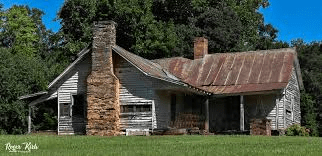
In this guide, we’ll explore what the phrase means, where it comes from, why tin roofs remain popular in America, and what living in a house with a tin roof is really like.
Read too: Is It Reasonable to Ask the Seller to Replace the Roof?
I Live In The House With The Tin Roof: Meaning & Context
The phrase “I Live In The House With The Tin Roof” can be interpreted in several ways depending on context:
- A literal description of a home with metal roofing
- A cultural or regional identity statement
- A lyrical or storytelling expression
- A nostalgic reference to rural American living
Tin roofs are often associated with:
- Farmhouses
- Southern homes
- Country music imagery
- Rural Americana
To understand its deeper meaning, let’s start with the basics.
What Is a Tin Roof?
A “tin roof” typically refers to metal roofing, though modern metal roofs are often made of steel or aluminum rather than pure tin.
According to Wikipedia – Metal Roof, metal roofing has been used since the 19th century due to durability and resistance to weather.
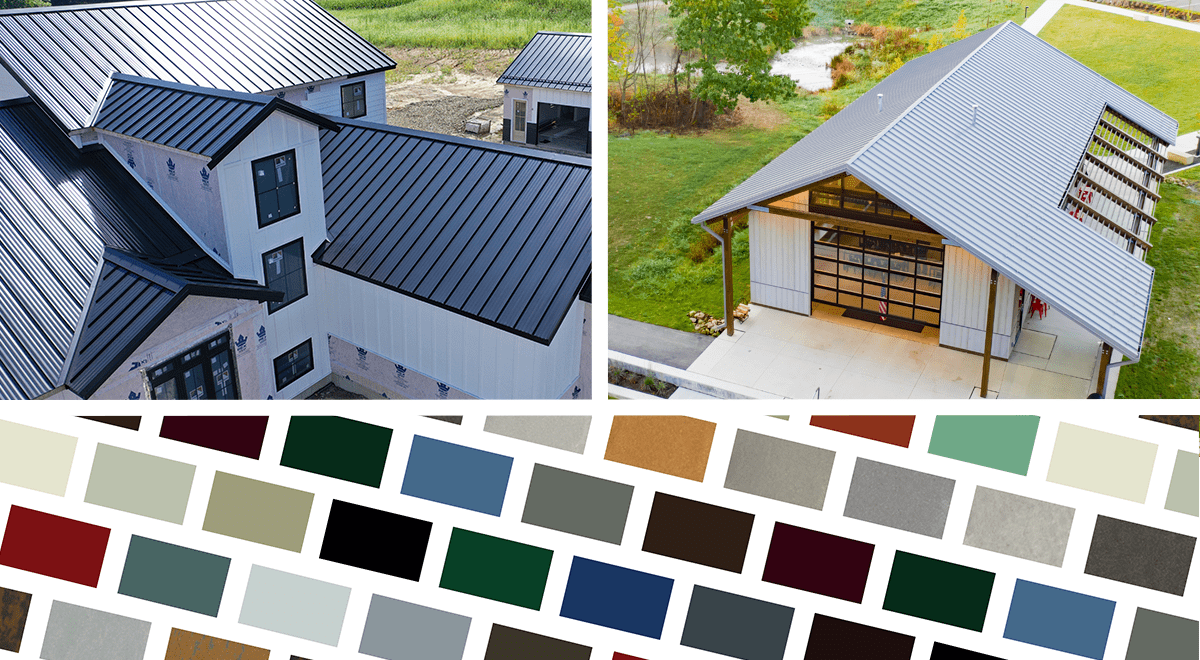
Common Metal Roofing Types
- Corrugated metal panels
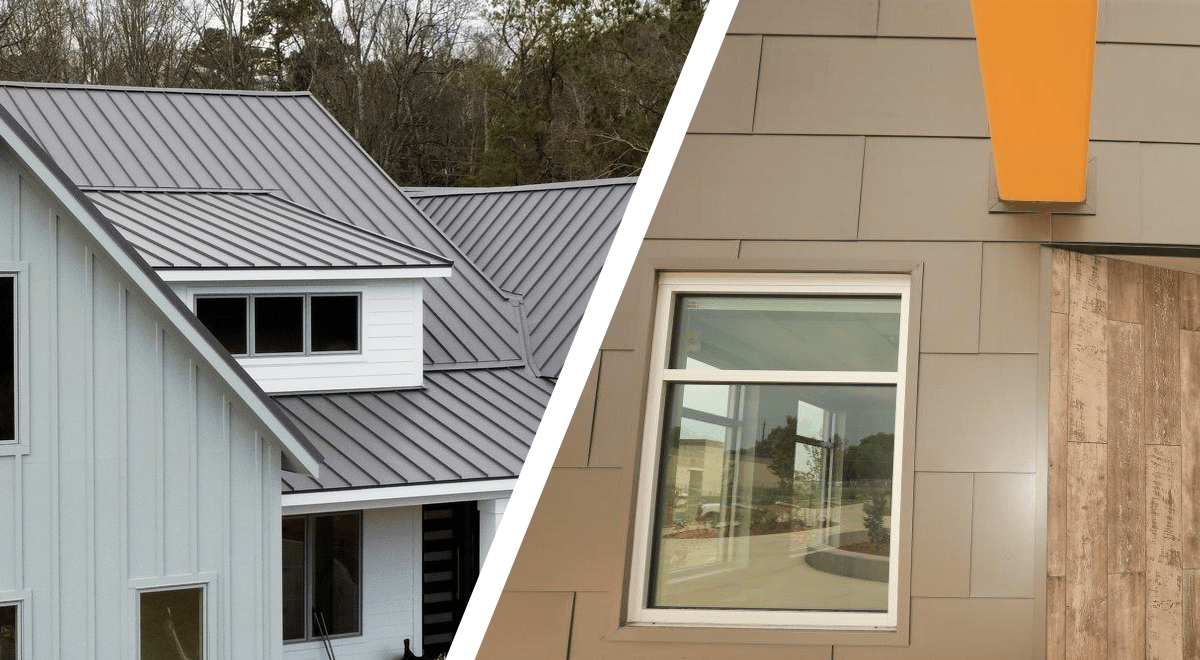
- Standing seam metal roofing
- Ribbed steel sheets
- Galvanized steel
Although people say “tin roof,” most modern systems use coated steel.
Why Are Tin Roof Houses So Popular in Rural America?
When someone proudly says, “I Live In The House With The Tin Roof,” it often reflects practicality and tradition.
Reasons Metal Roofs Became Popular
- Affordable materials
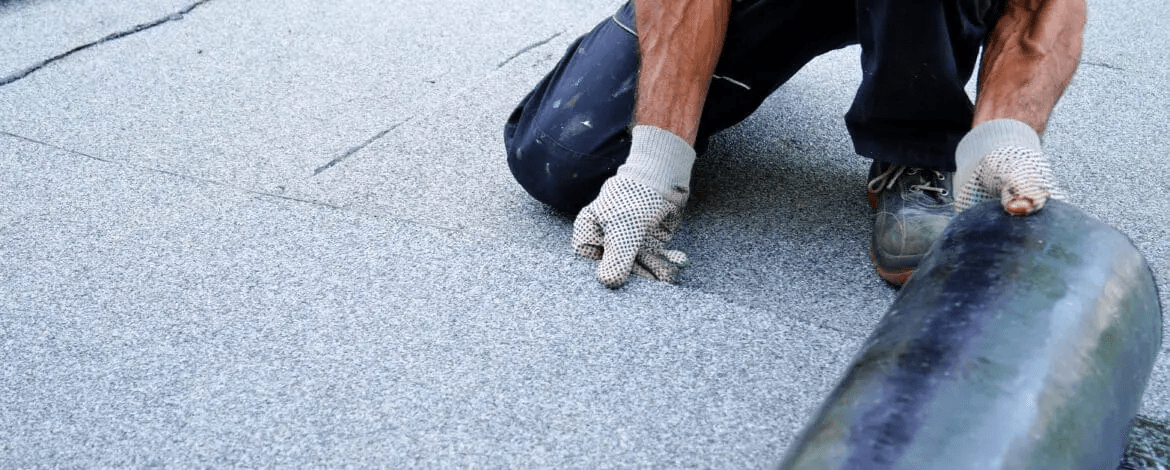
- Easy installation
- Long lifespan (40–70 years)
- Fire resistance
- Lightweight compared to tile
In rural areas, metal roofs were easier to transport and install than heavy shingles.
Is Living in a House With a Tin Roof Loud?
One of the most searched questions.
The Rain Myth
Many people believe rain on a tin roof is extremely loud. In older homes without insulation, this was true.
However, in modern homes:
- Insulation dampens sound
- Underlayment reduces vibration
- Attic space absorbs noise
Studies show modern metal roofs are only slightly louder than asphalt shingles—often less than 5 decibels difference.
Some homeowners even enjoy the sound of rain as a relaxing feature.
Cultural Meaning: Tin Roof as Identity
The phrase “I Live In The House With The Tin Roof” can symbolize:
- Simplicity
- Resilience
- Rural pride
- Independence
In Southern storytelling and country lyrics, tin roofs often represent humble beginnings and hard work.
It’s less about the material—and more about lifestyle.
Advantages vs Disadvantages of Tin Roof Homes
Advantages
✔ Long lifespan (up to 70 years)
✔ Energy efficient (reflects sunlight)
✔ Resistant to fire and pests
✔ Lightweight structure
✔ Recyclable materials
Disadvantages
✘ Higher upfront cost
✘ Potential denting from hail
✘ Improper installation can leak
✘ Thermal expansion noise
How Long Does a Tin Roof Last?
Here’s a lifespan comparison:
| Roofing Material | Average Lifespan |
|---|---|
| Asphalt shingles | 20–30 years |
| Wood shake | 20–40 years |
| Metal (tin-style) | 40–70 years |
Metal roofs can last twice as long as standard asphalt shingles.
Is a Tin Roof More Energy Efficient?
Yes.
Metal roofs reflect solar radiation.
According to energy efficiency studies, reflective metal roofing can reduce cooling costs by 10–25% in hot climates.
This makes tin roof homes popular in:
- Southern U.S.
- Coastal regions
- Farm properties
Step-by-Step: How to Maintain a Tin Roof
If you truly “live in the house with the tin roof,” maintenance is simple.
Step 1: Inspect Twice Per Year
- Check for loose screws
- Look for rust spots
- Inspect flashing
Step 2: Clean Debris (1–2 Hours)
- Remove leaves
- Clear gutters
- Wash with low-pressure hose
Avoid pressure washers over 1,500 PSI.
Step 3: Treat Rust Immediately
- Sand affected area lightly.
- Apply metal primer.
- Repaint with roof coating.
Preventative care extends roof life significantly.
Does a Tin Roof Increase Home Value?
Yes, in many markets.
Metal roofs can increase resale value due to:
- Longevity
- Lower maintenance
- Energy savings
- Modern aesthetic
Homebuyers often view metal roofing as a premium upgrade.
Why Do People Romanticize Tin Roof Homes?
There’s emotional symbolism.
A tin roof:
- Evokes rainstorms and storytelling
- Represents rural heritage
- Connects to agricultural roots
- Suggests strength and durability
The phrase “I Live In The House With The Tin Roof” can feel like a badge of authenticity.
Is Tin Roofing Safe During Storms?
Metal roofs are:
- Wind resistant up to 140 mph (depending on system)
- Non-combustible (Class A fire rating)
- Resistant to mold and rot
However, proper installation is critical.
Improperly fastened panels may lift in severe storms.
Cost Comparison: Tin Roof vs Asphalt
| Factor | Metal Roof | Asphalt Shingles |
|---|---|---|
| Initial Cost | Higher | Lower |
| Lifespan | 40–70 years | 20–30 years |
| Maintenance | Low | Moderate |
| Replacement Frequency | Rare | More frequent |
While upfront cost is higher, long-term savings often offset the difference.
FAQ: I Live In The House With The Tin Roof
1. Is a tin roof actually made of tin?
Most modern “tin roofs” are made of steel or aluminum, not pure tin.
2. Is rain louder on a tin roof?
Not significantly in well-insulated homes.
3. Do tin roofs rust?
Modern galvanized or coated metal resists rust. Maintenance prevents corrosion.
4. How long does a tin roof last?
Typically 40–70 years with proper care.
5. Are tin roofs energy efficient?
Yes. They reflect sunlight and reduce cooling costs.
6. Why do people associate tin roofs with country living?
Historically, rural homes used metal roofing for affordability and durability.
Conclusion
When someone says, “I Live In The House With The Tin Roof,” it may describe more than a structure. It represents durability, heritage, simplicity, and practicality.
Metal roofing offers long lifespan, energy efficiency, and strong weather resistance. Whether you’re considering installing one or simply appreciating its cultural meaning, a tin roof remains one of America’s most resilient housing choices.
If this guide helped you understand the meaning and benefits behind tin roof homes, share it on social media to help others discover why metal roofing continues to stand the test of time.
Leave a Reply