If you’re dealing with a hot attic, high energy bills, or moisture buildup, you’re probably wondering: What Is The Best Roof Vent For A House? Choosing the right roof vent isn’t just about airflow—it directly affects energy efficiency, roof lifespan, and indoor comfort.
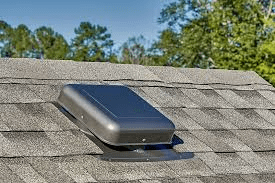
In this complete homeowner guide, we’ll compare the most common roof vent types, explain how they work, and help you choose the best option for your climate and home design.
Read too: Hail Damage Roof Repair: Essential Guide to Restoring Your Home’s Protection
What Is The Best Roof Vent For A House Overall?


4
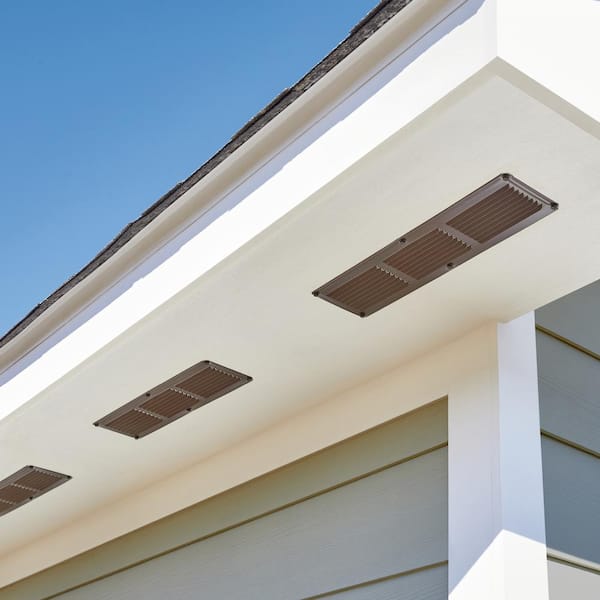
For most residential homes, a ridge vent combined with soffit vents is widely considered the best overall roof ventilation system.
Why?
- Provides continuous airflow
- Uses natural convection (no electricity)
- Low maintenance
- Even temperature distribution
- Long lifespan
However, the “best” roof vent depends on roof shape, attic size, and climate.
Why Is Proper Roof Ventilation Important?
- Reduces attic heat buildup
- Prevents moisture condensation
- Extends shingle lifespan
- Lowers HVAC workload
- Prevents mold growth
According to general building science principles described in the Wikipedia entry on roof ventilation:
https://en.wikipedia.org/wiki/Roof_vent
Proper airflow helps regulate attic temperatures and moisture levels year-round.
How Does a Ridge Vent Work?


4
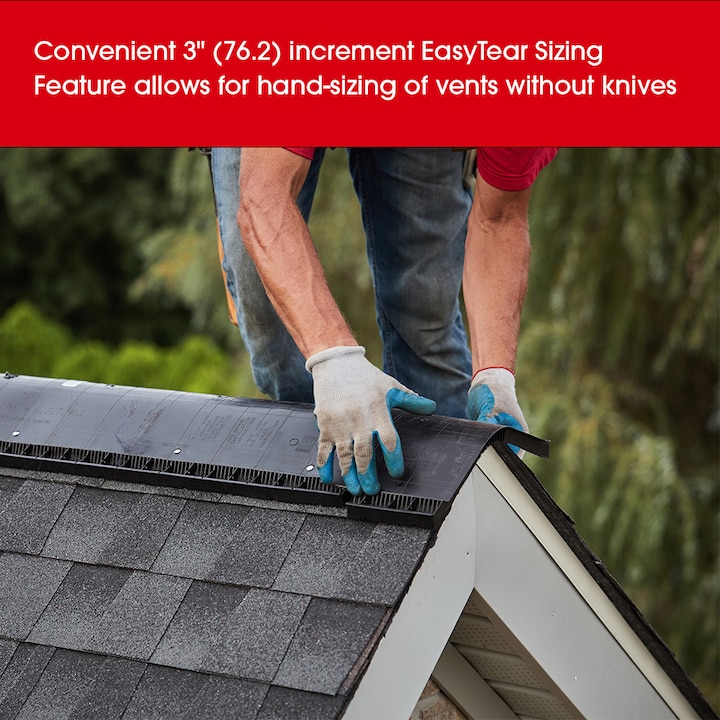
A ridge vent runs along the peak of the roof.
How It Functions:
- Warm air rises naturally.
- It escapes through the ridge vent.
- Cool air enters through soffit vents at the eaves.
- Continuous airflow cycle begins.
This system uses the stack effect—hot air rises, cool air enters below.
Best for: Homes with traditional sloped roofs.
Are Soffit Vents Necessary?
Yes.
Ridge vents cannot function properly without intake ventilation.
Ideal Ratio
Building codes often recommend:
- 1 square foot of ventilation per 150 square feet of attic floor space
(Or 1:300 ratio with vapor barrier installed.)
Example:
- 1,500 sq ft attic → 10 sq ft ventilation minimum (split between intake and exhaust).
Balanced airflow prevents negative pressure.
What About Turbine Roof Vents?


4
Turbine vents (whirlybirds) spin with wind power.
Pros:
- No electricity required
- Strong exhaust during windy days
- Affordable installation
Cons:
- Performance depends on wind
- Moving parts may wear out
- Can be noisy
Best for: Windy regions and budget-conscious homeowners.
Are Powered Attic Fans Better?
Powered attic fans use electricity or solar energy to pull hot air out.
Pros:
- Strong airflow
- Effective in extreme heat
- Solar models reduce electricity use
Cons:
- Higher installation cost
- Potential to pull conditioned air from home
- Requires wiring
They’re useful in very hot climates but must be properly balanced with intake vents.
Roof Vent Comparison Table
| Vent Type | Energy Use | Maintenance | Efficiency | Best Climate |
|---|---|---|---|---|
| Ridge + Soffit | None | Low | Excellent | All climates |
| Turbine | Wind | Moderate | Good | Windy areas |
| Powered Fan | Electric/Solar | Moderate | High | Hot climates |
| Box Vent | None | Low | Moderate | Small attics |
What Is the Most Energy-Efficient Roof Vent?
The most energy-efficient system is typically:
Passive ridge + soffit ventilation
Why?
- No electricity usage
- Continuous airflow
- Minimal mechanical failure risk
Solar-powered attic fans are a close second in extremely hot areas.
How to Calculate the Right Ventilation for Your House (Step-by-Step)
Step 1: Measure Attic Floor Area
Example:
- 40 ft x 30 ft = 1,200 sq ft
Step 2: Apply Ventilation Ratio
Using 1:150 rule:
- 1,200 ÷ 150 = 8 sq ft ventilation required
Step 3: Split Intake & Exhaust
- 4 sq ft intake (soffits)
- 4 sq ft exhaust (ridge vent)
Step 4: Confirm Manufacturer Net Free Area (NFA)
Each vent product lists its airflow rating.
This ensures proper airflow balance.
Can Too Much Ventilation Be a Problem?
Yes.
Excessive ventilation can:
- Disrupt airflow balance
- Reduce efficiency
- Cause pressure imbalances
- Increase heating costs in winter
Proper calculation is essential.
Does Roof Vent Type Affect Roof Lifespan?
Yes.
Poor ventilation can:
- Cause shingle curling
- Accelerate asphalt deterioration
- Increase moisture rot
- Damage decking
Studies show attic temperatures can exceed 150°F in summer without ventilation, shortening roof lifespan significantly.
What Roof Vent Is Best for Cold Climates?
In snowy regions:
- Ridge vents perform well.
- Ice dam prevention improves with airflow.
- Avoid large powered fans that may pull warm air into attic.
Balanced passive ventilation is ideal.
What Roof Vent Is Best for Hot Climates?
In areas like Texas or Arizona:
- Ridge + soffit ventilation works well.
- Solar attic fans add extra cooling.
- Reflective roof materials enhance performance.
Attic temperatures can drop 10–20°F with proper ventilation.
FAQ Section
1. What is the best roof vent for a house overall?
For most homes, a ridge vent paired with soffit vents provides the best balance of efficiency, cost, and durability.
2. Are powered attic fans worth it?
They can be beneficial in very hot climates but must be properly installed to avoid pulling conditioned air from inside the house.
3. Do turbine vents work without wind?
They provide minimal airflow without wind. Performance increases significantly in breezy conditions.
4. How many roof vents does my house need?
It depends on attic size. Use the 1:150 rule to calculate required ventilation.
5. Can I mix different types of roof vents?
It’s generally not recommended unless professionally designed, as airflow imbalance can occur.
6. Does roof ventilation reduce energy bills?
Yes. Proper ventilation lowers attic heat, reducing cooling costs and HVAC strain.
Conclusion
So, What Is The Best Roof Vent For A House? For most homeowners, the answer is a ridge vent combined with soffit vents. It’s efficient, low-maintenance, and works in nearly all climates.
However, the best system depends on:
- Climate
- Roof design
- Attic size
- Budget
- Energy goals
Before installation, calculate ventilation requirements carefully and consult a qualified roofing professional.
If this guide helped clarify your options, share it with other homeowners looking to improve comfort and extend roof life. Proper ventilation is one of the smartest roofing upgrades you can make.

Leave a Reply