Many people visiting Japan or browsing photos of traditional homes wonder, “Why Do Japanese Houses Have Rocks On The Roof?” At first glance, these stones may seem decorative or unusual compared to Western roofing styles.
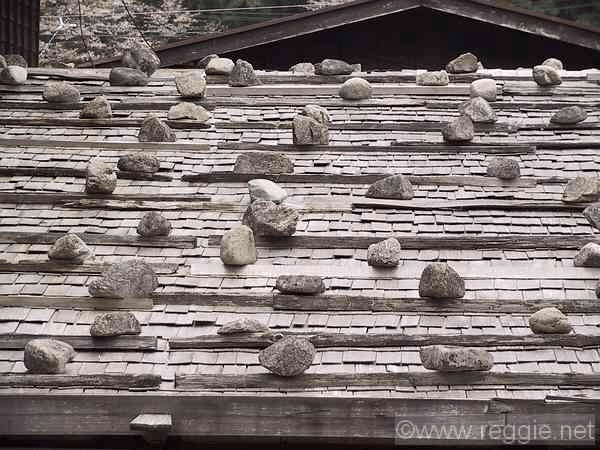
In reality, the rocks often serve practical and historical purposes. They help secure roofing materials, protect homes from strong winds, and reflect traditional building methods used in Japanese architecture. In this article, we’ll explore why rocks appear on Japanese roofs and what they mean in both historical and modern contexts.
Read too: Hail Damage Roof Repair: Essential Guide to Restoring Your Home’s Protection
Why Do Japanese Houses Have Rocks On The Roof?
The main answer to Why Do Japanese Houses Have Rocks On The Roof is that stones help hold down roofing materials, particularly traditional roofing coverings such as metal sheets or tar-based roofing layers.
In regions where typhoons and strong winds occur frequently, these stones act as simple but effective weights that prevent roofing materials from lifting.
Main Reasons Rocks Are Used
| Purpose | Explanation |
|---|---|
| Wind protection | Prevents roofing materials from blowing away |
| Structural stability | Adds weight to secure roof layers |
| Traditional building method | Reflects older construction techniques |
| Cost-effective solution | Simple and inexpensive roofing method |
These practices developed from Japan’s unique climate and architectural traditions.
Japanese homes have evolved over centuries to adapt to local weather conditions and cultural practices. For more context on traditional Japanese housing, see:
https://en.wikipedia.org/wiki/Japanese_architecture
Historical Origins of Roof Stones in Japan
The use of rocks on roofs dates back several centuries.
Traditional Japanese houses were often built with lightweight materials, including:
- wooden frames
- bamboo structures
- thatched roofs
- metal sheet roofing
Because these materials could be vulnerable to wind damage, builders developed practical ways to secure them.
Early Roofing Techniques
Builders placed stones along roof edges or across the roof surface to:
- hold materials in place
- protect seams between panels
- stabilize roofing sheets
This method was particularly common in rural areas and coastal regions.
How Rocks Prevent Roof Damage
Japan experiences frequent extreme weather events.
Common Weather Threats
- typhoons
- strong coastal winds
- heavy rainstorms
- seasonal storms
Roof stones help prevent damage by adding downward pressure on roofing layers.
Example Wind Protection
| Roofing Type | Wind Protection Method |
|---|---|
| Tile roofs | interlocking tiles |
| Metal roofs | fasteners and anchors |
| Sheet roofing | weighted stones |
This simple technique helped homes withstand severe weather.
Rocks vs Traditional Japanese Roof Tiles
Not all Japanese homes use roof stones.
Many traditional houses use ceramic roof tiles called kawara.
Kawara Roof Tiles
These tiles are heavy and naturally resistant to wind.
Tile Roof Advantages
- long lifespan
- strong wind resistance
- improved insulation
- decorative appearance
In homes with tile roofing, stones are usually unnecessary.
Regions Where Roof Stones Are Most Common
Roof stones are more common in certain parts of Japan.
Locations Where You May See Roof Stones
- coastal villages
- older rural communities
- temporary or agricultural buildings
- storage structures
These regions often experience strong winds that require additional roof protection.
Cultural and Architectural Significance
Beyond practicality, roof stones also reflect traditional Japanese architecture.
Japanese building philosophy emphasizes:
- simplicity
- natural materials
- adaptability
Using stones as weights reflects the concept of resourceful construction.
Instead of complex engineering solutions, builders often relied on locally available materials.
Are Roof Stones Still Used in Modern Japan?
Modern construction methods have largely replaced this technique.
Today’s homes typically use:
- steel fasteners
- reinforced roof structures
- advanced waterproof membranes
- engineered roofing systems
However, roof stones can still be seen in:
- older homes
- rural buildings
- traditional architectural structures
They remain a visible symbol of older building traditions.
Advantages vs Disadvantages of Using Roof Stones
Advantages
- inexpensive solution
- easy installation
- effective wind protection
- uses natural materials
Disadvantages
- additional roof weight
- potential movement during earthquakes
- less secure than modern fasteners
Because Japan experiences frequent earthquakes, modern building codes prefer more secure roofing systems.
How Japanese Architecture Adapts to Climate
Japan’s climate strongly influences home design.
Key Climate Challenges
| Environmental Factor | Impact on Housing |
|---|---|
| Typhoons | requires wind-resistant roofs |
| Earthquakes | flexible building structures |
| Heavy rain | steep roof slopes |
| Humidity | ventilated construction |
Roof stones were just one adaptation among many.
Step-by-Step Example of Traditional Roofing with Stones
Here is how older sheet roofing systems were often secured.
Step 1: Install Roofing Sheets
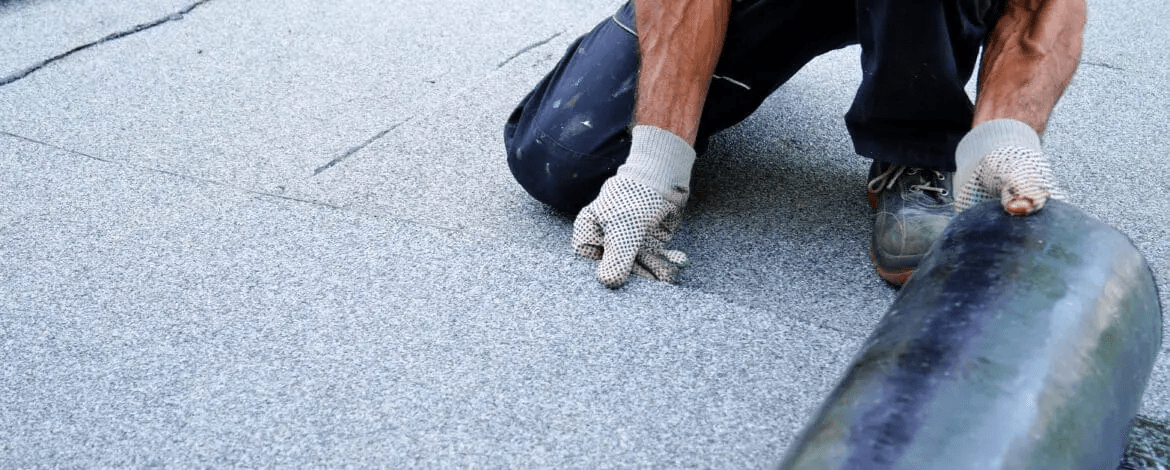
Metal or tar-based sheets are placed across the roof frame.
Step 2: Secure Edges
Sheets are overlapped to prevent water infiltration.
Step 3: Place Stones Strategically
Rocks are placed along seams and edges.
Step 4: Distribute Weight Evenly
Stones are spaced evenly to maintain balance.
Step 5: Inspect After Storms
Homeowners often check stones to ensure they remain in place.
This simple method provided reliable protection for many years.
Why Western Homes Rarely Use Roof Stones
In many Western countries, roofs rely on different technologies.
Modern Roofing Methods
- nails and fasteners
- adhesive sealants
- interlocking shingles
- reinforced roof decking
These systems provide secure attachment without external weights.
Interesting Facts About Japanese Roof Design
Japanese roofs often include unique features.
Architectural Elements
- curved tile edges
- extended eaves
- decorative ridge tiles
- steep slopes for rainwater drainage
These elements combine practicality with aesthetic beauty.
FAQ – Why Do Japanese Houses Have Rocks On The Roof
Why do some Japanese roofs have rocks on them?
Stones are used to weigh down roofing materials and prevent wind damage, especially in older construction methods.
Are roof stones still used today in Japan?
They are less common today but still appear on older rural buildings and traditional structures.
Do the rocks serve a decorative purpose?
Generally, they are functional rather than decorative.
Why don’t modern houses use roof stones?
Modern roofing systems use fasteners and engineered materials that provide stronger protection.
Are roof stones safe during earthquakes?
Loose stones could potentially move during earthquakes, which is why modern construction avoids this technique.
What type of roofs are common in Japan?
Many homes use ceramic tile roofs, metal roofs, or modern composite roofing systems.
Conclusion
Understanding Why Do Japanese Houses Have Rocks On The Roof reveals how traditional architecture adapts to environmental challenges.
In older construction, stones were used to secure lightweight roofing materials and protect homes from strong winds. This simple solution reflected the practical, resourceful building techniques developed in Japan over centuries.
While modern construction methods have largely replaced this approach, roof stones remain an interesting symbol of Japan’s architectural history and its relationship with nature.
If you found this guide helpful, consider sharing it on social media so others can learn more about the fascinating traditions behind Japanese home design.
Leave a Reply