You may have seen buildings in Asia with elegant, sweeping rooflines that curve upward at the edges. A House With A Curved Roof Found In Asia is more than just a unique design—it reflects centuries of architectural tradition, cultural symbolism, and practical engineering.
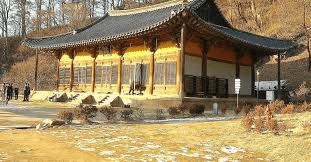
These curved roofs appear in temples, palaces, and traditional homes across countries like China, Japan, Korea, and parts of Southeast Asia. In this guide, we’ll explore what these roofs are called, why they are curved, and how this design benefits both aesthetics and functionality.
Read too: How Long Do Standing Seam Metal Roofs Last? A Comprehensive Guide to Durability and Longevity
What Is A House With A Curved Roof Found In Asia Called?
A House With A Curved Roof Found In Asia is commonly associated with traditional architectural styles such as:
- Chinese temple roofs
- Japanese pagoda roofs
- Korean hanok roofs
- Southeast Asian temple structures
The upward-curving edges are a defining characteristic of East Asian architectural design.
These roofs are often referred to as:
- Pagoda-style roofs
- East Asian curved roofs
- Temple roofs
The design is deeply rooted in traditional building practices. You can learn more about this architectural concept here:
https://en.wikipedia.org/wiki/Chinese_architecture
Why Do Asian Houses Have Curved Roofs?
The curved roof is not purely decorative. It serves several important purposes.
1. Efficient Rainwater Drainage
Asia experiences heavy rainfall in many regions.
Curved roofs help:
- Direct rainwater away quickly
- Prevent water accumulation
- Protect wooden structures
This improves the building’s durability.
2. Wind Resistance
The curved shape reduces wind pressure.
Instead of hitting a flat surface, wind flows smoothly along the roofline. This helps protect buildings during storms or typhoons.
3. Cultural Symbolism
In traditional Chinese culture, curved roofs symbolize:
- prosperity
- protection
- harmony with nature
Many temples use dragon or animal ornaments at the roof corners to represent spiritual guardians.
Architectural Features of Curved Roof Houses
Traditional curved roof houses share several common design elements.
Key Structural Components
| Component | Function |
|---|---|
| Roof ridge | Highest central part of roof |
| Eaves | Extended edges protecting walls |
| Brackets | Wooden supports beneath roof |
| Tiles | Protect roof from weather |
These structures often rely on wooden joinery techniques without nails, demonstrating remarkable craftsmanship.
Famous Examples of Curved Roof Architecture
Curved roofs appear across many famous Asian buildings.
Chinese Palaces
The Forbidden City in Beijing features iconic curved roofs with yellow glazed tiles.
These roofs symbolize imperial authority.
Japanese Pagodas
Japanese pagodas use multiple curved roof tiers.
Each tier represents:
- balance
- harmony
- spiritual elevation
Korean Hanok Houses
Traditional Korean homes called Hanok also feature gently curved roofs.
The design balances:
- aesthetics
- natural airflow
- seasonal climate conditions
Materials Used in Curved Roof Construction
Traditional Asian curved roofs are built using specific materials chosen for durability and beauty.
Common Roofing Materials
- Clay tiles
- Ceramic tiles
- Wood beams
- Bamboo supports
- Stone ridge decorations
Clay tiles are especially popular because they provide:
- water resistance
- heat insulation
- long lifespan
Advantages of Curved Roof Houses
Curved roofs offer several architectural advantages.
1. Excellent Weather Protection
The curved design helps buildings withstand:
- heavy rain
- snow
- strong winds
2. Improved Airflow
Extended eaves create shaded areas that allow air to circulate around the building.
This helps regulate indoor temperature.
3. Unique Aesthetic Appeal
Curved roofs are instantly recognizable and add dramatic architectural character.
Many modern architects incorporate curved roofs to evoke traditional Asian aesthetics.
Curved Roof vs Flat Roof Comparison
| Feature | Curved Roof | Flat Roof |
|---|---|---|
| Water drainage | Excellent | Moderate |
| Wind resistance | High | Lower |
| Construction complexity | High | Low |
| Architectural style | Traditional and decorative | Modern and minimal |
Curved roofs require more craftsmanship but provide superior weather protection.
How Curved Roofs Are Constructed
Building a curved roof requires specialized techniques.
Step-by-Step Construction Process
Step 1: Build the Wooden Frame
Carpenters construct a strong wooden framework.
This framework determines the curve of the roof.
Step 2: Install Roof Brackets
Decorative brackets support the extended roof edges.
These brackets distribute weight evenly.
Step 3: Lay Roof Tiles
Roof tiles are placed carefully from the bottom upward.
Each tile overlaps slightly to prevent leaks.
Typical installation spacing:
10–12 tiles per square meter
Step 4: Install Ridge Decorations
The roof ridge often includes decorative sculptures.
These elements may represent:
- dragons
- mythical creatures
- protective symbols
Modern Homes Inspired by Curved Asian Roofs
Today, many architects incorporate curved roof designs into contemporary buildings.
Modern Adaptations
- eco-resorts in Southeast Asia
- luxury villas
- cultural museums
- modern temples
These designs combine traditional aesthetics with modern materials like steel and reinforced concrete.
Advantages vs Limitations of Curved Roof Designs
Advantages
- excellent rainwater drainage
- strong wind resistance
- beautiful architectural design
- cultural heritage value
Limitations
- higher construction cost
- requires skilled craftsmanship
- more complex repairs
Despite these challenges, curved roofs remain a defining feature of Asian architecture.
FAQ – A House With A Curved Roof Found In Asia
Q1: What is a curved roof house in Asia called?
It is often associated with pagoda-style architecture or traditional East Asian roofs used in temples and historical buildings.
Q2: Why do Asian roofs curve upward?
The curved edges help with rainwater drainage, wind resistance, and symbolic cultural meaning.
Q3: Which countries use curved roof architecture?
Curved roofs are commonly found in:
- China
- Japan
- Korea
- Vietnam
- Thailand
Q4: Are curved roofs only used for temples?
No. While temples use them prominently, traditional homes such as Korean Hanok and Chinese courtyard houses also feature curved roofs.
Q5: Are curved roofs practical for modern homes?
Yes. Many modern architects adapt curved roof designs using steel and modern materials while maintaining the traditional appearance.
Q6: Do curved roofs cost more to build?
Yes. Because of their complex structure and craftsmanship requirements, curved roofs are usually more expensive than flat or simple pitched roofs.
Conclusion
A House With A Curved Roof Found In Asia represents more than just architectural beauty—it reflects centuries of cultural heritage, engineering wisdom, and artistic expression.
From Chinese palaces and Japanese pagodas to Korean Hanok homes, curved roofs offer practical benefits such as improved rainwater drainage and wind resistance while creating iconic visual designs.
Even today, modern architects continue to draw inspiration from these timeless structures.
If you enjoyed learning about this fascinating architectural style, share this article on social media so others can discover the beauty and functionality of Asian curved roof homes.
Leave a Reply