Many traditional homes feature beautiful wooden roofs, but homeowners often worry about safety risks. A Wooden Roof Makes A House Susceptible To Fire, especially in areas prone to wildfires or extreme heat.
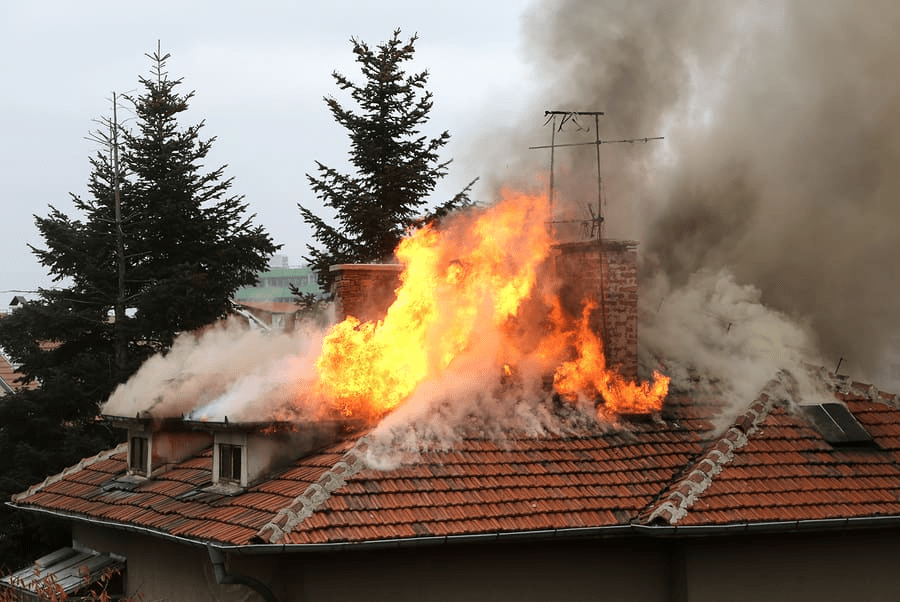
Understanding the risks and available safety solutions can help protect your home. In this guide, we’ll explain why wooden roofs are more vulnerable to fire, how serious the risk is, and what practical steps homeowners can take to reduce fire hazards.
Read too: How Long Do Standing Seam Metal Roofs Last? A Comprehensive Guide to Durability and Longevity
Why A Wooden Roof Makes A House Susceptible To Fire
Wood is a natural combustible material, which means it can ignite and burn when exposed to high heat or flames. Because of this property, a wooden roof makes a house susceptible to fire more than roofs made from metal, tile, or asphalt materials.
Wood roofing materials commonly include:
- cedar shingles
- cedar shakes
- treated wood planks
These materials provide excellent insulation and natural beauty, but they also increase fire vulnerability.
Fire behavior depends on factors such as fuel type, heat exposure, and oxygen supply. More information about the science of fire can be found here:
https://en.wikipedia.org/wiki/Fire
How Quickly Can Wooden Roofs Catch Fire?
The ignition speed of wood roofing depends on several factors:
- moisture content of the wood
- intensity of heat exposure
- presence of fire retardant treatments
- wind conditions
Typical Ignition Timeline
| Condition | Approximate Ignition Time |
|---|---|
| Dry wood exposed to flame | 30–90 seconds |
| Embers landing on dry shingles | 2–5 minutes |
| Treated fire-resistant wood | longer ignition time |
During wildfires, burning embers carried by wind are the most common cause of roof ignition.
Studies from fire safety agencies show that flying embers can travel more than one mile ahead of a wildfire, making roofs particularly vulnerable.
Why Roofs Are Critical in Fire Spread
The roof is often the first part of a home exposed to falling embers.
If the roof catches fire, flames can quickly spread to:
- attic spaces
- insulation
- interior framing
Because heat rises, a roof fire can rapidly grow and compromise the entire structure.
Key Fire Entry Points
- roof shingles
- attic vents
- roof valleys
- gutters filled with dry debris
Regular inspection can significantly reduce these risks.
Types of Wooden Roof Materials
Not all wood roofs are identical. Some designs are more fire-resistant than others.
Common Wooden Roofing Materials
| Material | Characteristics |
|---|---|
| Cedar shakes | Thick, rustic appearance |
| Cedar shingles | Thin and uniform |
| Pressure-treated wood | Treated with fire retardant chemicals |
Pressure-treated wood roofing can improve fire resistance, but it still carries more risk than non-combustible materials.
Fire Risks in Different Climates
The danger level of wooden roofs varies depending on geographic location.
High-Risk Areas
Wood roofs pose higher fire risks in regions with:
- dry climates
- frequent wildfires
- strong seasonal winds
Examples include many areas of:
- California
- Australia
- Mediterranean climates
Lower-Risk Areas
Humid regions with frequent rainfall generally face lower wildfire risk.
However, indoor fires can still threaten wooden roofs.
Advantages vs Disadvantages of Wooden Roofs
While wood roofs present fire risks, they also offer several benefits.
Advantages
- natural aesthetic appearance
- good insulation properties
- environmentally friendly materials
- lightweight structure
Disadvantages
- increased fire risk
- higher maintenance requirements
- susceptibility to mold and insects
- shorter lifespan compared to metal roofing
Because of these trade-offs, some homeowners choose wood roofing for design reasons while implementing fire protection measures.
How to Reduce Fire Risk in Wooden Roofs
If your home has a wood roof, there are several steps you can take to reduce fire hazards.
1. Install Fire-Retardant Treatments
Fire-retardant chemicals slow down ignition.
These treatments can significantly increase the time it takes for wood to catch fire.
2. Clean Roof Debris Regularly
Dry leaves and branches can act as additional fuel.
Clean the roof and gutters at least twice per year.
3. Install Ember-Resistant Vents
Attic vents can allow embers to enter the home.
Special metal mesh vents help block burning debris.
4. Maintain Safe Clearance Around the Home
Vegetation close to the house can increase fire risk.
Maintain at least 5 feet of clearance between the roof and nearby trees.
Step-by-Step: Applying Fire-Retardant Roof Treatment
Homeowners can apply fire-retardant coatings to wood roofs.
Step 1: Clean the Roof Surface
Prepare a cleaning mixture:
- 2 liters of water
- 50 ml mild detergent
Remove dirt and debris using a soft brush.
Step 2: Allow the Roof to Dry
Wood must be completely dry before applying fire-retardant coatings.
Wait 24 hours after cleaning.
Step 3: Apply Fire-Retardant Solution
Use a sprayer or brush to apply the coating evenly.
Apply two coats for better protection.
Step 4: Allow Proper Curing Time
Most fire-retardant treatments require 24–48 hours to cure.
Avoid walking on the roof during this period.
Fire-Resistant Alternatives to Wooden Roofs
If fire safety is a priority, several roofing materials offer better resistance.
Fire-Resistant Roofing Options
| Material | Fire Resistance |
|---|---|
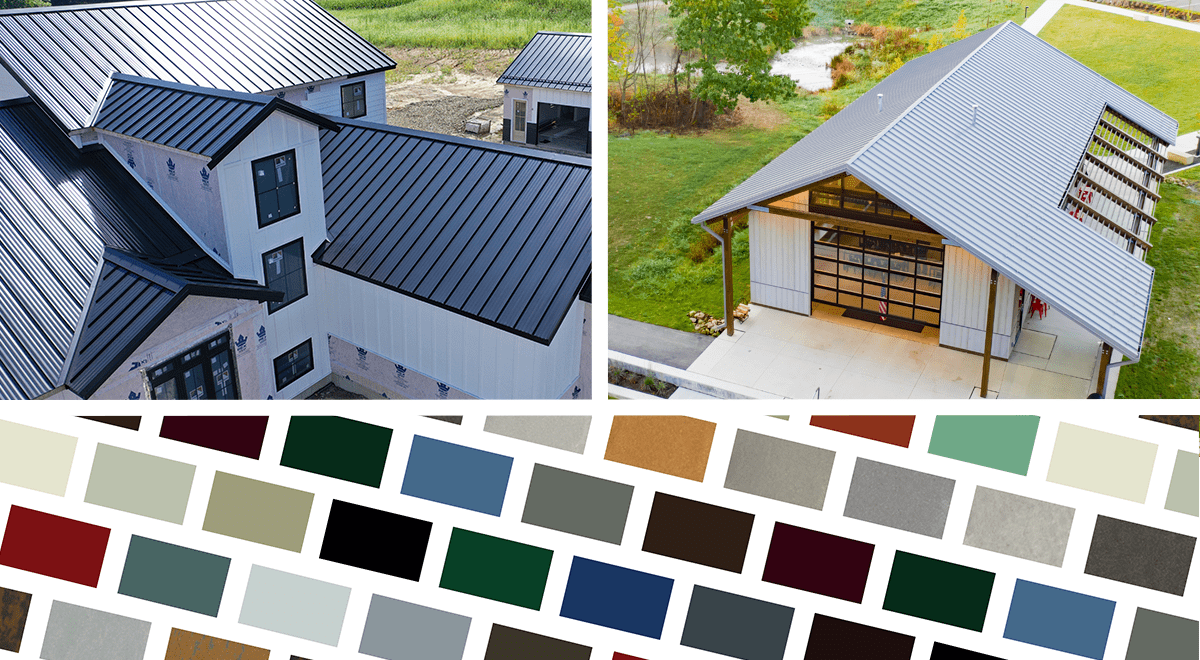
| Metal roofing | Excellent |
| Clay tile | Excellent |
| Concrete tile | Excellent |
| Asphalt shingles | Moderate |
Many building codes in wildfire-prone areas now encourage these materials.
Modern Wood Roofing Innovations
Technology has improved the safety of wood roofing systems.
Some modern wood shingles now include:
- pressure-treated fire-resistant chemicals
- composite wood materials
- fire-rated coatings
These solutions aim to balance natural aesthetics with improved safety.
Insurance and Building Code Considerations
Homes with wooden roofs may face higher insurance premiums.
Insurance providers often assess:
- roofing material
- wildfire risk
- nearby vegetation
In some wildfire-prone regions, local building codes restrict or prohibit untreated wood roofs.
Checking local regulations before installing wood roofing is essential.
FAQ – A Wooden Roof Makes A House Susceptible To Fire
Q1: Why are wooden roofs more vulnerable to fire?
Wood is a combustible material, meaning it can ignite when exposed to heat or flames.
Q2: Are treated wood roofs safer?
Yes. Fire-retardant-treated wood significantly slows ignition, though it is still less fire-resistant than metal or tile roofs.
Q3: Can a wooden roof meet fire safety codes?
In many areas, wood roofs must be treated with fire-resistant chemicals to meet building code requirements.
Q4: How often should wooden roofs be maintained?
Regular inspections and debris removal should be done at least twice per year.
Q5: What is the safest roofing material for fire protection?
Metal, clay tile, and concrete roofs provide the highest fire resistance.
Q6: Should homeowners replace wooden roofs?
It depends on location and risk level. In wildfire-prone areas, replacing wood roofing with fire-resistant materials may improve safety.
Conclusion
A Wooden Roof Makes A House Susceptible To Fire, primarily because wood is a combustible material that can ignite when exposed to flames or burning embers. While wooden roofs offer natural beauty and insulation benefits, they also require careful maintenance and additional fire safety measures.
Homeowners can reduce risk by installing fire-retardant treatments, removing roof debris regularly, and ensuring proper ventilation and clearance around the home.
For those living in wildfire-prone areas, switching to fire-resistant roofing materials may provide greater long-term safety and peace of mind.
If you found this guide helpful, share it on social media so other homeowners can learn how to protect their homes from fire risks associated with wooden roofs.
Leave a Reply