Many homeowners living in older homes face a common challenge—limited closet space. Older houses were often built before modern storage needs existed, leaving bedrooms and hallways with very little room for wardrobes.
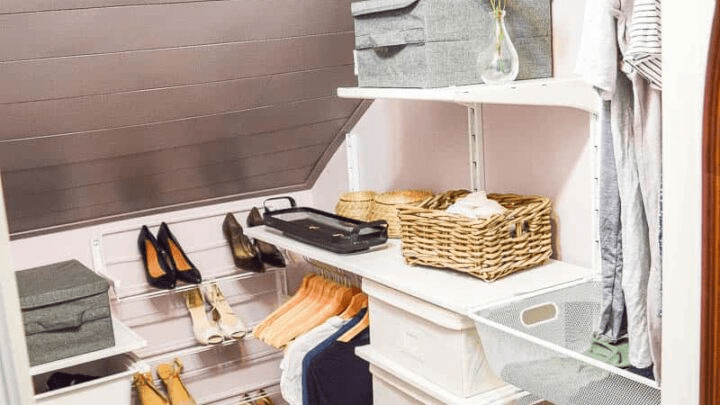
That’s why many homeowners start exploring Adding Closet Space To Old House With Roof Line solutions. By using the sloped areas beneath rooflines or attic spaces, you can create smart, functional storage without dramatically changing your home’s structure.
Read too: Is It Reasonable to Ask the Seller to Replace the Roof?
In this guide, you’ll discover creative design ideas, practical renovation tips, and step-by-step strategies to add closet space to older homes with sloped roofs.
Why Old Houses Often Lack Closet Space
Before exploring Adding Closet Space To Old House With Roof Line, it helps to understand why older homes often have limited storage.
Homes built before the mid-20th century were designed differently. Built-in closets were not always considered essential features.
Common reasons older homes lack closets
- wardrobes were traditionally used instead
- smaller room sizes
- limited built-in storage design
- structural roof framing limitations
Older homes also often feature steep rooflines and attic spaces, which can make closet installation challenging—but also full of hidden opportunities.
Understanding Roof Lines in Older Homes
The roof line refers to the outline or shape of a roof when viewed from the side. Rooflines determine how much usable space exists beneath the roof.
Many older homes include:
- sloped ceilings
- attic knee walls
- dormer spaces
- triangular storage areas
These architectural features can often be converted into creative closet solutions.
You can learn more about roof structure designs here:
https://en.wikipedia.org/wiki/Roof
Benefits of Adding Closet Space Under a Roof Line
Adding closets under sloped ceilings can significantly improve functionality.
Key benefits
✔ maximizes unused space
✔ increases home organization
✔ improves bedroom functionality
✔ increases property value
Real estate experts often note that homes with adequate storage sell faster and at higher prices.
Creative Ideas for Adding Closet Space To Old House With Roof Line
Here are some of the most effective ways homeowners use roofline areas for storage.
1. Built-In Closet Under a Sloped Ceiling
One of the most popular solutions is installing a built-in closet beneath a sloped roof.
Design features
- custom shelving
- sliding doors
- angled closet rods
This design makes use of otherwise wasted space beneath the roofline.
2. Knee Wall Storage Closets
Many attic bedrooms have short vertical walls called knee walls.
These areas often hide unused space behind them.
How it works
Install small doors or cabinet panels along the knee wall to create hidden storage.
Perfect for:
- seasonal clothing
- luggage
- storage bins
3. Walk-In Closet in Attic Space
If your attic area is large enough, it can be transformed into a walk-in closet.
Possible features
- hanging racks
- shoe storage shelves
- built-in drawers
- full-length mirrors
This solution is ideal for homes with large attic bedrooms.
4. Dormer Closet Design
Dormers are small roof extensions that create vertical walls inside attic spaces.
Benefits
Dormer areas provide:
- full ceiling height
- natural light
- ideal closet placement
A dormer closet can easily become a stylish storage feature.
5. Hidden Storage Drawers Under Roof Slopes
Another creative solution is installing drawers under low roof slopes.
Ideal uses
- folded clothing
- shoes
- bedding
These built-in drawers maintain a clean, minimal appearance.
Closet Design Options for Roofline Spaces
Different closet types work better depending on the roof slope.
Closet Types Comparison
| Closet Type | Best For |
|---|---|
| Built-in closet | sloped bedroom ceilings |
| Knee wall storage | attic rooms |
| Walk-in attic closet | large attic areas |
| Drawer storage | low roof slopes |
Choosing the right design depends on ceiling height and room layout.
Step-by-Step: Adding Closet Space To Old House With Roof Line
If you want to create a closet under your roofline, follow these practical steps.
Step 1: Measure Available Roofline Space
Start by measuring the space under the roof slope.
Important measurements include:
- ceiling height
- wall width
- floor depth
Most closets require at least 24 inches of depth for hanging clothes.
Step 2: Identify Structural Elements
Older homes often include:
- rafters
- support beams
- ventilation ducts
Avoid cutting structural elements without consulting a contractor.
Step 3: Choose the Closet Type
Select the closet design that best fits your space.
Consider:
- built-in shelving
- sliding doors
- open closet systems
Sliding doors often work best in small spaces.
Step 4: Install Lighting
Closets under rooflines can be dark.
Recommended lighting options include:
- LED strip lights
- recessed lighting
- motion sensor lights
Proper lighting improves usability and safety.
Step 5: Add Custom Storage Features
To maximize storage, include:
- adjustable shelves
- hanging rods
- shoe racks
- drawer organizers
Custom storage systems help keep the space organized.
Cost of Adding Closet Space to an Old House
Closet renovation costs depend on design complexity and materials.
Estimated costs
| Closet Type | Cost Range |
|---|---|
| Simple built-in closet | $500 – $1,500 |
| Custom closet system | $1,500 – $5,000 |
| Attic walk-in closet | $3,000 – $10,000 |
DIY projects can reduce costs significantly.
Advantages and Challenges of Roofline Closets
Advantages
✔ utilizes unused attic space
✔ improves home organization
✔ adds character to older homes
✔ increases property value
Challenges
✖ limited ceiling height
✖ complex framing structures
✖ ventilation considerations
Proper planning can solve most of these challenges.
Design Tips for Roofline Closets
Professional designers recommend the following tips.
Smart design ideas
✔ use sliding doors instead of swinging doors
✔ install adjustable shelving systems
✔ use light colors to brighten small spaces
✔ maximize vertical storage
These ideas make small closet areas feel larger and more functional.
Common Mistakes When Adding Closet Space
Avoid these common renovation mistakes.
Mistake 1: Ignoring ventilation
Closets need proper airflow to prevent moisture buildup.
Mistake 2: Installing poor lighting
Dark closets reduce usability.
Mistake 3: Not planning storage layout
Proper layout ensures maximum storage efficiency.
FAQ: Adding Closet Space To Old House With Roof Line
Can you add closets to an old house?
Yes. Many older homes can be renovated to include closets, especially by using attic or roofline spaces.
What is a knee wall closet?
A knee wall closet uses the small wall beneath a sloped roof to create hidden storage space.
How deep should a closet be?
Most closets require at least 24 inches of depth for hanging clothes.
Is it expensive to add a closet to an old house?
Costs vary widely but typically range between $500 and $5,000 depending on design and materials.
Does adding a closet increase home value?
Yes. Homes with better storage often attract more buyers and may increase property value.
Conclusion
Finding Adding Closet Space To Old House With Roof Line solutions can transform underused attic areas into practical storage. By using sloped ceilings, knee walls, and dormer spaces creatively, homeowners can add functional closets without major structural changes.
With thoughtful planning, proper lighting, and smart storage design, even small roofline areas can become stylish and efficient closets.
If this guide helped inspire your home renovation plans, consider sharing it on social media so other homeowners can discover creative ways to add closet space to older houses.

Leave a Reply