Garage door openers are one of the most frequently used mechanical systems in a home. Many homeowners rely on them multiple times every day without thinking about how long they will last.
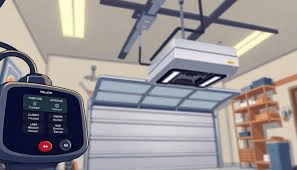
If you’re wondering What Is The Lifespan Of A Garage Door Opener, the typical range is between 10 and 15 years, depending on usage, maintenance, and build quality. In this guide, we’ll explore how long garage door openers usually last, the factors that influence their lifespan, and practical tips to extend their performance.
Read too: Door and Garage Door Companies: Choosing the Right Partner for Your Needs
What Is The Lifespan Of A Garage Door Opener?
The average lifespan of a garage door opener is approximately 10–15 years.
However, several factors can influence this lifespan, including:
- Frequency of use
- Type of drive system
- Maintenance habits
- Environmental conditions
- Quality of installation
For example, a garage door opener used 4–6 times daily may reach the end of its lifespan sooner than one used occasionally.
Garage door openers are mechanical devices that convert electrical energy into motion to lift and lower doors. If you’re interested in how electric motors work in general, you can read more here:
https://en.wikipedia.org/wiki/Electric_motor
How Often Garage Door Openers Are Used
The lifespan of an opener is heavily influenced by daily usage.
Average Usage Patterns
| Household Type | Daily Door Cycles | Estimated Lifespan |
|---|---|---|
| Single driver | 2–4 cycles | 15+ years |
| Family household | 6–8 cycles | 10–15 years |
| Heavy usage | 10+ cycles | 8–12 years |
A cycle refers to one full opening and closing of the garage door.
The more cycles an opener performs each day, the faster its components wear down.
Types of Garage Door Openers and Their Lifespan
Different drive mechanisms affect durability.
Chain Drive Openers
Chain drive openers use a metal chain to lift the door.
Lifespan
- 10–15 years
Pros
✔ Strong lifting power
✔ Affordable
✔ Widely available
Cons
✘ Noisy operation
✘ Requires periodic lubrication
Belt Drive Openers
Belt drive systems use a reinforced rubber belt.
Lifespan
- 12–15 years
Pros
✔ Very quiet operation
✔ Smooth movement
✔ Low vibration
Cons
✘ Slightly higher cost
These are ideal for homes with attached garages.
Screw Drive Openers
Screw drive systems use a rotating threaded rod.
Lifespan
- 10–15 years
Pros
✔ Fewer moving parts
✔ Fast operation
✔ Good lifting power
Cons
✘ Performance can vary in extreme temperatures.
Direct Drive Openers
Direct drive openers have a stationary chain and moving motor.
Lifespan
- 15+ years
Pros
✔ Extremely quiet
✔ Minimal mechanical wear
✔ Very reliable
Cons
✘ Higher purchase cost
Signs Your Garage Door Opener Is Reaching the End of Its Life
Recognizing warning signs can prevent sudden failure.
Common Warning Signs
1. Excessive Noise
Grinding or rattling sounds often indicate worn gears or motor components.
2. Slow Door Movement
If the opener struggles to lift the door, the motor may be weakening.
3. Frequent Repairs
Needing repairs every few months often signals the system is aging.
4. Remote Signal Problems
Older openers may experience wireless interference or outdated technology.
5. Inconsistent Operation
Doors that stop halfway or reverse unexpectedly may indicate worn sensors or motors.
If several of these issues appear at once, replacement may be the better option.
Factors That Affect Garage Door Opener Lifespan
Several elements influence how long an opener lasts.
1. Maintenance Frequency
Routine maintenance can extend the lifespan significantly.
Key maintenance tasks include:
- Lubricating moving parts
- Checking bolts and brackets
- Testing safety sensors
A well-maintained opener can last several years longer.
2. Door Weight
Heavy garage doors require more motor power.
Common heavy doors include:
- Solid wood doors
- Insulated steel doors
- Oversized double doors
Using an underpowered opener can shorten its lifespan.
3. Installation Quality
Improper installation can cause:
- Motor strain
- Door imbalance
- Mechanical stress
Professional installation often improves longevity.
4. Climate Conditions
Extreme temperatures can affect opener components.
Examples:
- Cold climates may stiffen lubrication
- Hot climates may affect electronics
Garages with insulation typically protect openers better.
How To Extend The Life Of Your Garage Door Opener
Homeowners can follow simple maintenance routines to extend opener life.
Step 1: Inspect the Door Balance
Disconnect the opener and manually lift the door.
A properly balanced door should stay halfway open without falling.
If the door drops, the springs may need adjustment.
Step 2: Lubricate Moving Parts
Every 6 months, apply lubricant to:
- Hinges
- Rollers
- Tracks
- Drive mechanisms
Avoid using heavy grease.
Instead use silicone-based garage door lubricant.
Step 3: Tighten Hardware
Garage door vibration can loosen bolts.
Check:
- Mounting brackets
- Rail connections
- Track supports
Use a wrench to tighten any loose hardware.
Step 4: Test Safety Features
Modern garage doors include auto-reverse safety systems.
Test this feature monthly:
- Place a small object on the floor under the door
- Close the door
- The door should reverse when it touches the object
If it doesn’t reverse, the safety sensors need adjustment.
Cost of Replacing a Garage Door Opener
Replacement cost depends on model and features.
Typical Price Range
| Type | Cost |
|---|---|
| Basic opener | $150–$250 |
| Mid-range smart opener | $250–$450 |
| Premium opener | $450–$700 |
Professional installation usually adds $150–$300.
While replacing an opener may seem costly, modern systems often include improved safety and smart features.
Modern Features That Extend Opener Lifespan
Newer garage door openers include technologies that improve durability.
Advanced Features
- Soft start/stop motors
- DC motor technology
- Battery backup systems
- Smartphone control
DC motors reduce mechanical stress and extend motor life.
FAQ: What Is The Lifespan Of A Garage Door Opener
How long do garage door openers usually last?
Most garage door openers last 10–15 years with normal household use.
Can a garage door opener last 20 years?
Yes, but this usually requires light usage and regular maintenance.
How many cycles can a garage door opener handle?
Many openers are designed for 10,000–20,000 cycles, depending on quality.
What causes garage door openers to fail?
Common causes include:
- Worn gears
- Motor failure
- Sensor issues
- Lack of maintenance
Should I repair or replace an old opener?
If the opener is more than 12–15 years old, replacement is often more cost-effective.
Are modern garage door openers more durable?
Yes. Newer openers use improved motors, electronics, and safety features that increase reliability.
Conclusion
Understanding What Is The Lifespan Of A Garage Door Opener helps homeowners plan for maintenance and eventual replacement. Most openers last 10–15 years, though proper care and moderate usage can extend their lifespan even further.
Regular maintenance, choosing the correct motor strength, and ensuring proper installation are key factors that determine how long your garage door opener will perform reliably.
If you found this guide helpful, consider sharing it on social media so other homeowners can learn how to maximize the lifespan of their garage door opener.
Leave a Reply