Choosing the Best Roof Design For My House In My State can feel overwhelming, especially when climate, weather patterns, and architectural style all play a role. Many homeowners worry about selecting a roof that looks great but also performs well in their local environment.
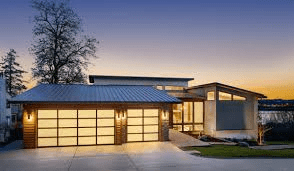
The truth is that the right roof design can improve durability, energy efficiency, and curb appeal. In this guide, you’ll learn how to match roof styles with your state’s climate and your home’s structure to make the smartest decision.
Read too: How Long Do Standing Seam Metal Roofs Last? A Comprehensive Guide to Durability and Longevity
Why Climate Matters When Choosing a Roof Design
When searching for the Best Roof Design For My House In My State, climate should always be your starting point.
Different regions in the United States experience very different weather patterns:
- Heavy snow in northern states
- Hurricanes and high winds in coastal areas
- Extreme heat in southern states
- Rain-heavy climates in the Pacific Northwest
According to the U.S. Department of Energy, roofing design can influence home energy efficiency by up to 25%, especially in hot climates.
Your roof must handle three key environmental factors:
- Rain and water drainage
- Wind resistance
- Heat reflection or insulation
The wrong roof design may lead to:
- water pooling
- structural damage
- higher energy bills
For a deeper explanation of roof structures, see:
https://en.wikipedia.org/wiki/Roof
What Is the Best Roof Design For My House In My State?
The best roof design depends primarily on three factors:
- Climate conditions
- Home architectural style
- Budget and maintenance preferences
Below are some of the most common roof designs used across the United States.
1. Gable Roof (Best for Rain and Snow)
The gable roof is one of the most popular roof designs in America.
Characteristics
- Two sloping sides
- Triangle shape
- Excellent drainage
Best States for Gable Roofs
- Pennsylvania
- Michigan
- New York
- Colorado
Advantages
- Excellent snow shedding
- Simple construction
- Affordable installation
Disadvantages
- Vulnerable to strong winds
- Requires proper bracing in hurricane zones
2. Hip Roof (Best for Wind Resistance)
A hip roof slopes downward on all four sides.
This design is extremely stable and aerodynamic.
Best States for Hip Roofs
- Florida
- Texas
- Louisiana
- South Carolina
Advantages
- Excellent wind resistance
- Strong structural integrity
- Modern appearance
Disadvantages
- Higher construction cost
- More complex framing
3. Flat Roof (Best for Modern Homes)
Flat roofs are common in modern architecture and urban areas.
Best States for Flat Roofs
- California
- Arizona
- Nevada
- New Mexico
Advantages
- Modern aesthetic
- Extra usable space (rooftop patios)
- Lower material cost
Disadvantages
- Poor drainage if not engineered properly
- Higher maintenance
4. Mansard Roof (Best for Extra Living Space)
The mansard roof has four sides with steep lower slopes.
Advantages
- Maximizes attic space
- Elegant European design
- Good for urban homes
Best Locations
- Northeastern states
- Historic neighborhoods
Disadvantages
- Expensive to build
- Complex structure
5. Shed Roof (Best for Contemporary Homes)
A shed roof has a single sloping plane.
Best Uses
- Modern homes
- Small houses
- Home additions
Advantages
- Simple construction
- Excellent water drainage
- Modern appearance
Disadvantages
- Limited attic space
- Not ideal for very large homes
Roof Design Comparison Table
| Roof Type | Best Climate | Cost Level | Durability |
|---|---|---|---|
| Gable | Snow & Rain | Low | High |
| Hip | Windy Regions | Medium | Very High |
| Flat | Dry & Hot | Low | Medium |
| Mansard | Urban Areas | High | High |
| Shed | Mild Climate | Low | Medium |
How to Choose the Best Roof Design Step-by-Step
If you’re unsure about the Best Roof Design For My House In My State, follow this simple process.
Step 1: Analyze Your Local Climate
Start by reviewing typical weather patterns.
Key factors:
- Annual rainfall
- Snowfall levels
- Average wind speeds
- Temperature extremes
Example:
States with over 40 inches of annual snowfall should prioritize steep roof slopes.
Step 2: Consider Your Home’s Architecture
Roof design should complement the structure.
Examples:
| Home Style | Ideal Roof |
|---|---|
| Colonial | Gable |
| Ranch | Hip |
| Modern | Flat or Shed |
| Victorian | Mansard |
The wrong roof style can make the home look unbalanced.
Step 3: Evaluate Roofing Materials
Roof design and material work together.
Common materials include:
- Asphalt shingles
- Metal roofing
- Clay tiles
- Wood shakes
Example:
Metal roofs are excellent for snow-heavy states because snow slides off easily.
Step 4: Calculate Your Budget
Roof costs vary significantly.
Typical cost ranges:
| Roof Design | Average Cost |
|---|---|
| Gable | $8,000 – $18,000 |
| Hip | $10,000 – $22,000 |
| Flat | $6,000 – $15,000 |
| Mansard | $15,000 – $35,000 |
These prices depend on size, materials, and labor.
Step 5: Consult Local Building Codes
Some states regulate roofing designs due to weather risks.
Example:
Florida building codes require wind-resistant roofing structures for hurricane zones.
Always check local regulations before installing a new roof.
Expert Tips to Improve Roof Performance
Professional contractors often recommend the following improvements.
1. Increase Roof Pitch in Snow Regions
Steeper roofs reduce snow accumulation.
Recommended slope:
6:12 or higher
This means the roof rises 6 inches for every 12 inches horizontally.
2. Use Reflective Materials in Hot States
Cool roof materials reflect sunlight.
Benefits include:
- Lower cooling costs
- Increased roof lifespan
- Reduced attic temperatures
3. Install Proper Ventilation
Good roof ventilation prevents:
- mold
- moisture damage
- heat buildup
Typical attic ventilation should include 1 square foot of vent area for every 150 square feet of attic space.
Common Mistakes When Choosing Roof Design
Avoid these costly errors.
Ignoring Climate Conditions
Some homeowners pick roofs based only on appearance.
But climate should always come first.
Choosing the Cheapest Option
Lower-cost roofs may require frequent repairs.
Over 20 years, cheaper roofs can actually cost more.
Skipping Professional Inspection
A structural engineer or roofing expert can identify issues before installation begins.
FAQ: Best Roof Design For My House In My State
What roof design lasts the longest?
Hip roofs and metal roofing systems tend to last the longest. With proper installation, they can last 40–70 years.
Which roof design is best for heavy snow?
Steep gable roofs perform best in snowy climates because snow slides off easily and prevents structural stress.
What is the most energy-efficient roof design?
Flat roofs with reflective materials and well-ventilated hip roofs often provide the best energy efficiency.
How do I know which roof is best for my state?
Analyze climate conditions first, then match them with suitable roof designs. Consulting a local roofing contractor is also recommended.
Are complex roofs more expensive?
Yes. Roofs with multiple slopes, valleys, and angles require more materials and labor.
Can roof design increase home value?
Absolutely. A well-designed roof improves curb appeal and can increase resale value by 5–15% according to real estate experts.
Conclusion
Choosing the Best Roof Design For My House In My State requires balancing climate conditions, home architecture, and budget. Designs like gable roofs for snowy areas, hip roofs for windy regions, and flat roofs for modern homes all offer specific advantages.
The key is selecting a roof that protects your home while enhancing its appearance and energy efficiency.
Before making your final decision, analyze your local climate, review roof materials, and consult with a professional contractor.
If you found this guide helpful, share it on social media with friends or homeowners planning a roof upgrade. It might help them choose the perfect roof design for their home.
Leave a Reply