Building a passive home in a warm region comes with unique challenges, especially when selecting the Best Roof Material For Passive House In Hot Climate conditions. The roof receives the most direct sunlight and can significantly impact indoor temperatures.
If the wrong material is chosen, your home may absorb excessive heat, increasing cooling demand and reducing energy efficiency. The right roofing material, however, can reflect sunlight, improve insulation, and help maintain comfortable indoor temperatures with minimal energy use.
In this guide, we’ll explore the best roof materials for passive houses in hot climates, how they work, and how to choose the ideal option for long-term comfort and energy savings.
Read too: How Long Do Standing Seam Metal Roofs Last? A Comprehensive Guide to Durability and Longevity
Why Roof Material Matters for Passive Houses
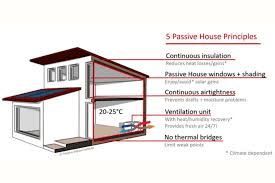
A passive house is designed to minimize energy consumption while maintaining comfortable indoor temperatures year-round. The concept focuses on:
- superior insulation
- airtight construction
- high-performance windows
- energy-efficient design
Because heat gain often occurs through the roof, choosing the Best Roof Material For Passive House In Hot Climate areas is essential.
According to energy studies, roofs can account for up to 35% of heat gain in warm climates if poorly designed.
Passive house roofs should therefore focus on three performance goals:
1. Solar Reflectance
The ability to reflect sunlight rather than absorb it.
2. Thermal Emittance
The ability to release absorbed heat quickly.
3. Insulation Compatibility
The material should work well with thick insulation layers commonly used in passive houses.
For a technical overview of roofing structures, see:
https://en.wikipedia.org/wiki/Roof
What Is the Best Roof Material For Passive House In Hot Climate?
There is no single perfect material, but several roofing options perform exceptionally well in hot environments.
The best choices generally combine:
- high reflectivity
- durability
- compatibility with passive design principles
Below are the most recommended materials.
1. Metal Roofing (Top Choice for Passive Homes)
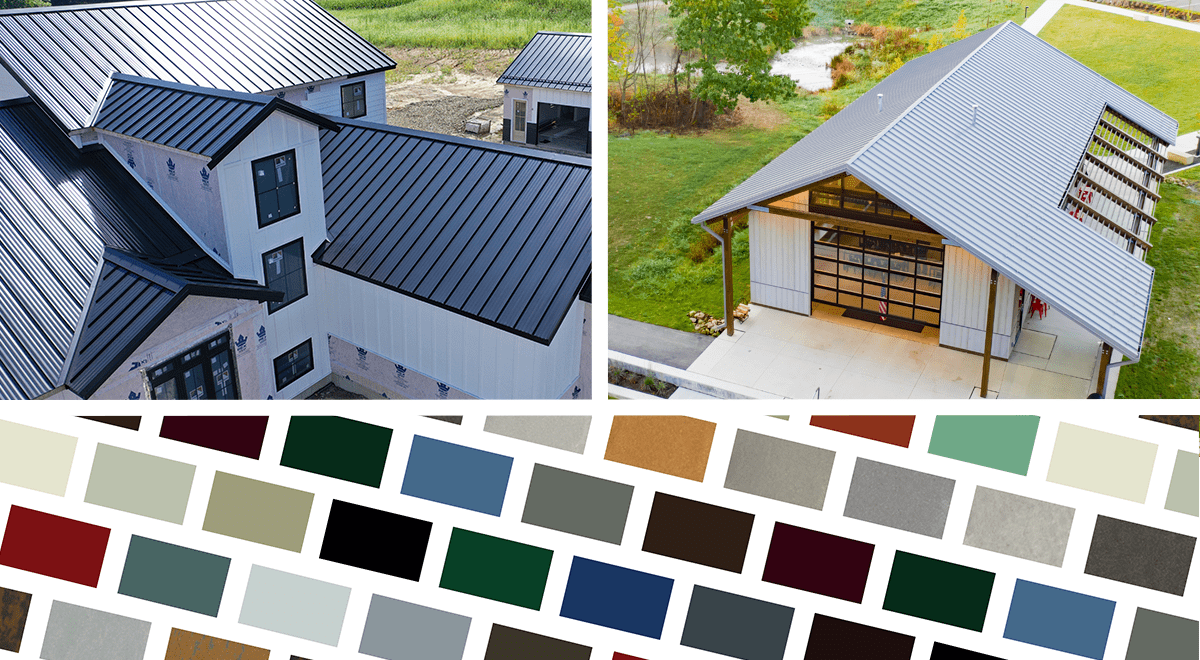
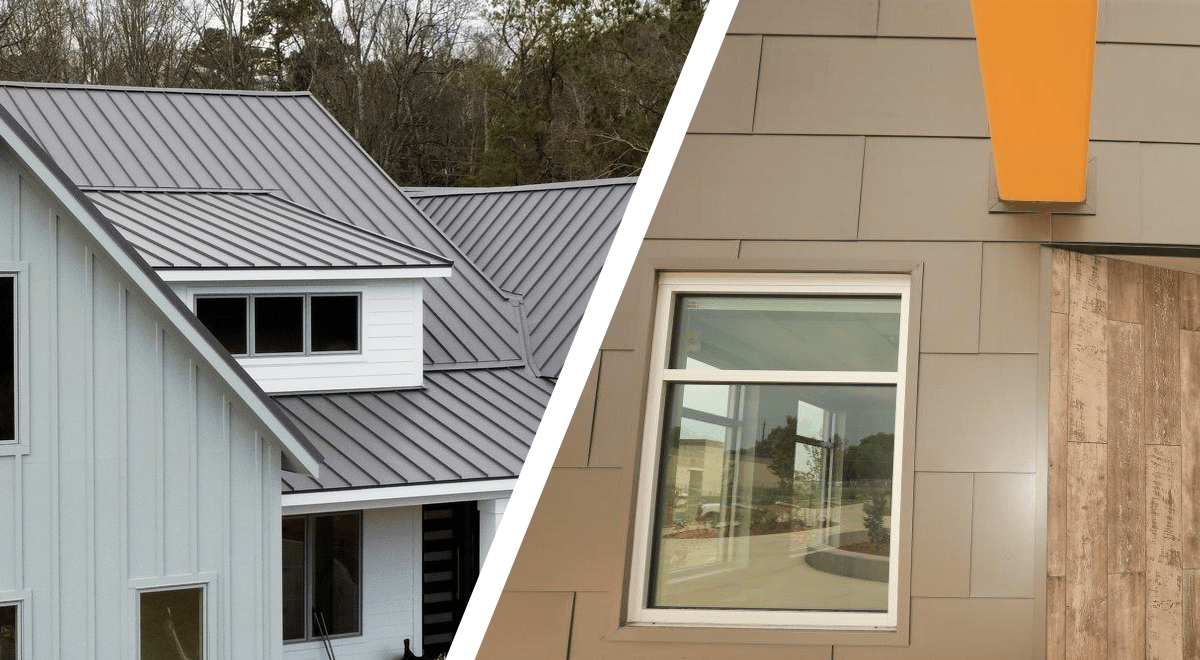
Metal roofing is widely considered the best roof material for passive houses in hot climates.
Why Metal Roofs Work So Well
Metal reflects sunlight better than many traditional roofing materials.
Reflective coatings can increase solar reflectance significantly.
Key Advantages
- Reflects up to 70% of solar radiation
- Long lifespan (40–70 years)
- Lightweight structure
- Compatible with solar panels
Potential Downsides
- Higher upfront cost
- Requires proper insulation to reduce noise
Ideal for
- Desert climates
- Tropical regions
- Modern passive house designs
2. Clay Tile Roofing
Clay tiles are commonly used in Mediterranean and tropical climates for good reason.
Natural Cooling Performance
Clay tiles create small air gaps beneath them that allow hot air to circulate and escape.
This reduces heat transfer into the building.
Advantages
- Excellent durability (50–100 years)
- Natural thermal resistance
- Classic architectural look
Disadvantages
- Heavy weight
- Requires reinforced roof structure
Best climates
- Southern United States
- Coastal areas
- Hot and humid regions
3. Cool Roof Shingles
Cool roof shingles are designed with reflective granules that reduce heat absorption.
They are especially popular for homeowners who want traditional asphalt roofing with improved performance.
Benefits
- Affordable
- Widely available
- Easy installation
Heat Reduction
Cool shingles can reduce roof temperature by 20–30°F compared to traditional shingles.
Downsides
- Shorter lifespan (20–30 years)
4. Concrete Tile Roofing
Concrete tiles are another strong candidate for passive homes in hot climates.
They provide excellent thermal mass and durability.
Advantages
- Strong heat resistance
- Durable (50+ years)
- Fire resistant
Disadvantages
- Heavy
- Higher installation costs
However, when combined with proper insulation, concrete roofs perform very well in warm environments.
5. Green Roof Systems
A green roof uses vegetation and soil to insulate the building.
While more complex, it offers excellent environmental benefits.
Benefits
- Natural cooling
- Reduces urban heat island effect
- Improves insulation
Drawbacks
- Expensive installation
- Requires structural reinforcement
- Maintenance needed
Green roofs are often used in eco-focused passive house projects.
Roof Material Comparison Table
| Roof Material | Reflectivity | Lifespan | Cost Level | Passive House Suitability |
|---|---|---|---|---|
| Metal Roofing | Very High | 40–70 yrs | Medium | Excellent |
| Clay Tiles | High | 50–100 yrs | High | Excellent |
| Cool Shingles | Medium | 20–30 yrs | Low | Good |
| Concrete Tiles | Medium | 50+ yrs | Medium | Very Good |
| Green Roof | High | 40+ yrs | High | Excellent |
How to Choose the Best Roof Material Step-by-Step
Choosing the Best Roof Material For Passive House In Hot Climate environments requires careful planning.
Follow this step-by-step process.
Step 1: Evaluate Solar Exposure
Determine how much sunlight your roof receives daily.
Homes in open areas with little shade will benefit more from high-reflective roofing materials.
Step 2: Check Local Climate Conditions
Consider factors such as:
- humidity levels
- rainfall
- temperature peaks
Example:
Regions exceeding 95°F regularly require roofing with strong solar reflectance.
Step 3: Select High-Performance Insulation
Passive houses typically use thick insulation layers.
Recommended roof insulation values:
| Climate | Recommended R-Value |
|---|---|
| Warm climates | R-40 to R-60 |
High insulation dramatically reduces heat transfer.
Step 4: Use Reflective Coatings
Roof coatings can improve energy performance.
Examples include:
- reflective aluminum coatings
- white elastomeric coatings
These coatings can lower roof surface temperatures by up to 50°F.
Step 5: Install Proper Ventilation
Ventilation prevents heat buildup in the attic.
Recommended design:
- ridge vents
- soffit vents
- ventilated roof cavities
Passive house designers often combine ventilation with airtight construction to control airflow precisely.
Expert Design Tips for Passive House Roofs
Professional architects recommend these additional strategies.
Increase Roof Overhangs
Overhangs provide shade for walls and windows.
Recommended overhang size:
24–36 inches
This significantly reduces solar heat gain.
Choose Light Roof Colors
Light colors reflect more sunlight.
Example reflectivity levels:
| Roof Color | Solar Reflection |
|---|---|
| White | 80% |
| Light Gray | 60% |
| Dark Brown | 30% |
Integrate Solar Panels
Metal roofing pairs particularly well with solar installations.
Solar panels can offset energy usage and improve the sustainability of passive homes.
Common Mistakes When Choosing Passive House Roofing
Avoid these common design errors.
Ignoring Solar Reflectance
Dark roofing materials without reflective coatings can significantly increase indoor heat.
Choosing Style Over Performance
Some homeowners prioritize appearance instead of energy efficiency.
In passive homes, performance should always come first.
Underestimating Insulation Needs
Even the best roofing material will perform poorly without adequate insulation.
FAQ: Best Roof Material For Passive House In Hot Climate
What roofing material reflects heat best?
Metal roofs with reflective coatings offer some of the highest solar reflectance levels and are widely recommended for passive houses in hot climates.
Are clay tiles good for hot climates?
Yes. Clay tiles naturally resist heat and allow airflow underneath, helping reduce heat transfer into the building.
What color roof is best for passive houses?
Light-colored roofs such as white, beige, or light gray reflect more sunlight and reduce heat absorption.
Do passive houses require special roofing materials?
Not necessarily, but materials with high reflectivity and durability are strongly recommended to maintain energy efficiency.
How long should a passive house roof last?
High-quality passive house roofing systems often last 40–70 years, depending on the material and maintenance.
Is metal roofing noisy during rain?
Modern metal roofs installed with proper insulation and underlayment are generally no louder than traditional roofs.
Conclusion
Selecting the Best Roof Material For Passive House In Hot Climate environments plays a major role in achieving energy efficiency and indoor comfort. Materials like metal roofing, clay tiles, cool roof shingles, and concrete tiles all offer strong performance when combined with proper insulation and ventilation.
Among these options, metal roofing and clay tiles often deliver the best balance of durability, solar reflectance, and passive house compatibility.
By focusing on reflective materials, proper insulation, and smart roof design, homeowners can dramatically reduce cooling costs while maintaining comfortable indoor temperatures year-round.
If you found this guide helpful, feel free to share it on social media with others planning a passive house or eco-friendly home project. Your share might help someone design a cooler, more energy-efficient home.
Leave a Reply