Finding the Best Roof Sealant Barrier For Mobile House Metal Roof is essential for protecting your home from leaks, corrosion, and weather damage. Mobile homes often use metal roofs that expand and contract with temperature changes, making them more vulnerable to cracks and seam leaks.
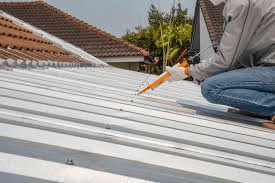
A high-quality sealant barrier can extend your roof’s lifespan, prevent costly water damage, and improve overall durability. In this guide, you’ll learn which sealants work best for mobile home metal roofs, how they compare, and how to apply them correctly for long-lasting protection.
Read too: How Long Do Standing Seam Metal Roofs Last? A Comprehensive Guide to Durability and Longevity
Why Metal Mobile Home Roofs Need Sealant Barriers
Mobile home metal roofs are durable, but they are also exposed to harsh environmental conditions.
Common issues include:
- Seam leaks
- Fastener gaps
- Thermal expansion cracks
- Rust formation
Because metal expands and contracts as temperatures change, even small gaps can allow water to enter.
According to building maintenance studies, over 80% of mobile home roof leaks occur at seams or fasteners, not large holes.
A proper sealant barrier provides three important protections:
1. Waterproofing
Prevents rainwater from entering seams and joints.
2. Corrosion Protection
Protects the metal surface from rust and oxidation.
3. Flexibility
Allows the sealant to stretch when the roof expands in heat.
For a general explanation of roof sealing and construction, see:
https://en.wikipedia.org/wiki/Roof
What Is the Best Roof Sealant Barrier For Mobile House Metal Roof?
Several sealant types work well for metal mobile home roofs. However, the best products share three important features:
- strong adhesion to metal
- flexibility for expansion and contraction
- long-lasting UV resistance
Below are the most effective options used by roofing professionals.
1. Elastomeric Roof Sealant (Best Overall)
Elastomeric coatings are widely considered the best roof sealant barrier for mobile house metal roof protection.
These sealants create a rubber-like waterproof membrane across the roof surface.
Key Benefits
- Highly flexible
- Reflects sunlight
- Waterproof protection
- Reduces roof temperature
Lifespan
Elastomeric coatings typically last 10–20 years with proper maintenance.
Ideal Uses
- sealing entire roof surfaces
- repairing small cracks
- protecting seams
2. Silicone Roof Sealant
Silicone sealants perform extremely well in areas with heavy rainfall or humidity.
Advantages
- Excellent waterproofing
- Strong UV resistance
- Long lifespan
Why Silicone Works
Silicone does not degrade easily under sunlight or standing water.
Downsides
- Higher cost
- Difficult to recoat with other materials
3. Acrylic Roof Sealant
Acrylic sealants are affordable and commonly used for mobile homes.
Advantages
- Easy to apply
- Affordable
- Good UV protection
Disadvantages
- Not ideal for areas with standing water
- Shorter lifespan than silicone
Acrylic coatings typically last 5–10 years.
4. Butyl Rubber Sealant
Butyl rubber is especially useful for sealing joints and seams.
Benefits
- Strong adhesion to metal
- Flexible in extreme temperatures
- Excellent seam sealing
Best Use Cases
- fastener heads
- roof seams
- flashing joints
Many contractors combine butyl sealant with a larger roof coating system.
Roof Sealant Comparison Table
| Sealant Type | Flexibility | Lifespan | Cost | Best Use |
|---|---|---|---|---|
| Elastomeric | Very High | 10–20 yrs | Medium | Full roof coating |
| Silicone | High | 15–20 yrs | High | Heavy rain areas |
| Acrylic | Medium | 5–10 yrs | Low | Budget repairs |
| Butyl Rubber | Very High | 10–15 yrs | Medium | Seams & joints |
Expert Tip:
For maximum durability, many contractors apply butyl seam sealant first, followed by elastomeric coating over the entire roof.
Signs Your Mobile Home Metal Roof Needs Sealant
Homeowners should inspect their roofs regularly.
Look for these warning signs.
1. Water Stains on Ceilings
Interior stains often indicate roof seam leaks.
2. Visible Rust Spots
Rust can weaken metal roofing and cause holes over time.
3. Loose or Exposed Fasteners
Fasteners may loosen due to vibration or temperature changes.
4. Cracked Sealant
Old sealant dries out and loses flexibility.
Early repair prevents expensive structural damage.
Step-by-Step: How to Apply Roof Sealant Barrier
Applying the Best Roof Sealant Barrier For Mobile House Metal Roof protection can often be done by homeowners with basic tools.
Follow this detailed process.
Step 1: Clean the Roof Surface
Dirt and debris prevent proper adhesion.
Use:
- water
- mild detergent
- soft-bristle brush
Recommended mixture:
- 2 liters water
- 50 ml mild soap
Scrub gently and rinse thoroughly.
Allow the roof to dry completely.
Step 2: Inspect and Repair Damaged Areas
Check:
- seams
- screws
- flashing
- rust spots
Remove rust using a wire brush if necessary.
Replace damaged fasteners before sealing.
Step 3: Apply Seam Sealant
Use butyl or silicone sealant on:
- roof seams
- screw heads
- flashing joints
Apply a continuous bead along each seam.
Allow curing for 4–6 hours.
Step 4: Apply Roof Coating Barrier
Using a roller or brush, apply elastomeric coating across the entire roof surface.
Recommended thickness:
1–2 gallons per 100 square feet
Apply in two coats for maximum durability.
Step 5: Allow Proper Drying Time
Most coatings require:
- 24 hours drying
- 48 hours full curing
Avoid rain exposure during this time.
Professional Tips for Longer Roof Life
Roofing professionals often recommend these maintenance practices.
Inspect Your Roof Twice Per Year
Perform inspections in:
- spring
- fall
This helps identify small issues before they worsen.
Reapply Coatings Periodically
Elastomeric coatings should be refreshed every 8–12 years.
Regular maintenance dramatically extends roof life.
Avoid Standing Water
Ensure proper drainage to prevent water pooling.
Standing water accelerates sealant breakdown.
Common Mistakes When Sealing Mobile Home Roofs
Avoid these frequent DIY errors.
Skipping Surface Cleaning
Sealant will fail quickly if applied to dirty surfaces.
Applying Sealant Too Thin
Thin coatings crack faster.
Always follow manufacturer thickness recommendations.
Ignoring Roof Seams
Most leaks occur at seams, not flat surfaces.
Seams must always be sealed first.
FAQ: Best Roof Sealant Barrier For Mobile House Metal Roof
What is the best sealant for mobile home metal roofs?
Elastomeric roof coating is widely considered the best option because it creates a flexible, waterproof membrane that handles expansion and contraction.
How long does roof sealant last on metal roofs?
Most sealants last 10–20 years, depending on climate conditions and maintenance.
Can I seal a metal roof myself?
Yes. Many homeowners successfully apply roof sealant using rollers and brushes, though professional installation may provide longer-lasting results.
How often should a mobile home roof be sealed?
Experts recommend resealing or recoating every 8–12 years.
Does roof sealant stop leaks permanently?
Sealant can stop leaks effectively, but long-term performance depends on proper application and roof condition.
Is silicone better than elastomeric sealant?
Silicone performs better in areas with heavy rain or standing water, while elastomeric coatings are more versatile for full roof protection.
Conclusion
Choosing the Best Roof Sealant Barrier For Mobile House Metal Roof protection is one of the most effective ways to extend the lifespan of your mobile home roof. Options like elastomeric coatings, silicone sealants, acrylic coatings, and butyl rubber sealants all provide reliable waterproof protection when applied correctly.
For most homeowners, elastomeric roof coatings combined with butyl seam sealant provide the best balance of flexibility, durability, and affordability.
With proper maintenance and periodic inspections, a sealed mobile home metal roof can last decades while preventing costly water damage.
If you found this guide helpful, consider sharing it on social media to help other mobile homeowners protect their roofs from leaks and weather damage.
Leave a Reply